


Multiple hypothalamic circuits sense and regulate glucose levels
- PMID: 21048078
- PMCID: PMC3023280
- DOI: 10.1152/ajpregu.00527.2010
Multiple hypothalamic circuits sense and regulate glucose levels
Abstract
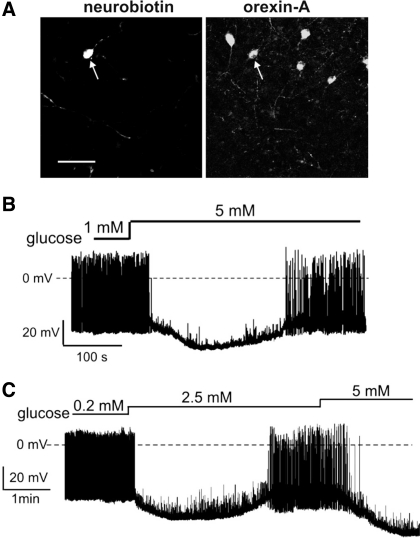
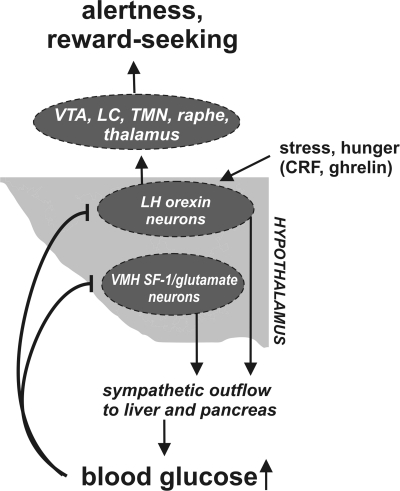
The hypothalamus monitors body energy status in part through specialized glucose sensing neurons that comprise both glucose-excited and glucose-inhibited cells. Here we discuss recent work on the elucidation of neurochemical identities and physiological significance of these hypothalamic cells, including caveats resulting from the currently imprecise functional and molecular definitions of glucose sensing and differences in glucose-sensing responses obtained with different experimental techniques. We discuss the recently observed adaptive glucose-sensing responses of orexin/hypocretin-containing neurons, which allow these cells to sense changes in glucose levels rather than its absolute concentration, as well as the glucose-sensing abilities of melanin-concentrating hormone, neuropeptide Y, and proopiomelanocortin-containing neurons and the recent data on the role of ventromedial hypothalamic steroidogenic factor-1 (SF-1)/glutamate-containing cells in glucose homeostasis. We propose a model where orexin/hypocretin and SF-1/glutamate neurons cooperate in stimulating the sympathetic outflow to the liver and pancreas to increase blood glucose, which in turn provides negative feedback inhibition to these cells. Orexin/hypocretin neurons also stimulate feeding and reward seeking and are activated by hunger and stress, thereby providing a potential link between glucose sensing and goal-oriented behavior. The cell-type-specific neuromodulatory actions of glucose in several neurochemically distinct hypothalamic circuits are thus likely to be involved in coordinating higher brain function and behavior with autonomic adjustments in blood glucose levels.
Figures
References
-
- Adachi A, Kobashi M, Funahashi M. Glucose-responsive neurons in the brainstem. Obes Res 3, Suppl 5: 735S–740S, 1995 - PubMed
-
- Anand BK, Chhina GS, Sharma KN, Dua S, Singh B. Activity of single neurons in the hypothalamic feeding centers: effect of glucose. Am J Physiol 207: 1146–1154, 1964 - PubMed
-
- Antunes VR, Brailoiu GC, Kwok EH, Scruggs P, Dun NJ. Orexins/hypocretins excite rat sympathetic preganglionic neurons in vivo and in vitro. Am J Physiol Regul Integr Comp Physiol 281: R1801–R1807, 2001 - PubMed
-
- Arluison M, Quignon M, Nguyen P, Thorens B, Leloup C, Penicaud L. Distribution and anatomical localization of the glucose transporter 2 (GLUT2) in the adult rat brain–an immunohistochemical study. J Chem Neuroanat 28: 117–136, 2004 - PubMed
Publication types
MeSH terms
Substances
LinkOut - more resources
Full Text Sources
