


Effect of acetaminophen (paracetamol) on human osteosarcoma cell line MG63
- PMID: 21052086
- PMCID: PMC4003333
- DOI: 10.1038/aps.2010.129
Effect of acetaminophen (paracetamol) on human osteosarcoma cell line MG63
Abstract
Aim: To examine the effects of acetaminophen (paracetamol), a nonsteroidal anti-inflammatory drug (NSAID), on different cellular and functional parameters of the human osteosarcoma cell line MG63.
Methods: Flow cytometry was used to study proliferation, antigenic profile, and phagocytic activity, and radioimmunoassay was used to determine osteocalcin synthesis as a cell differentiation marker.
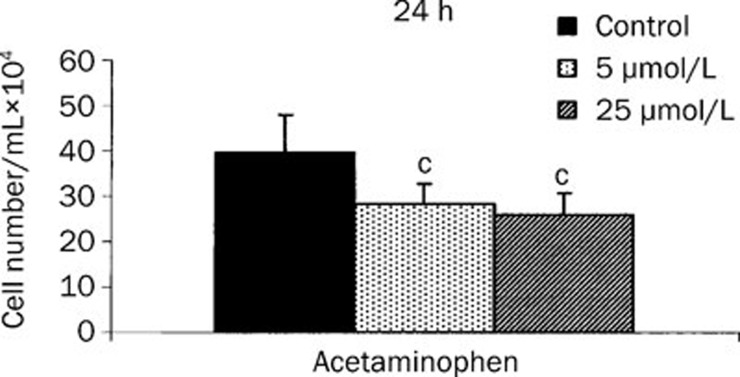
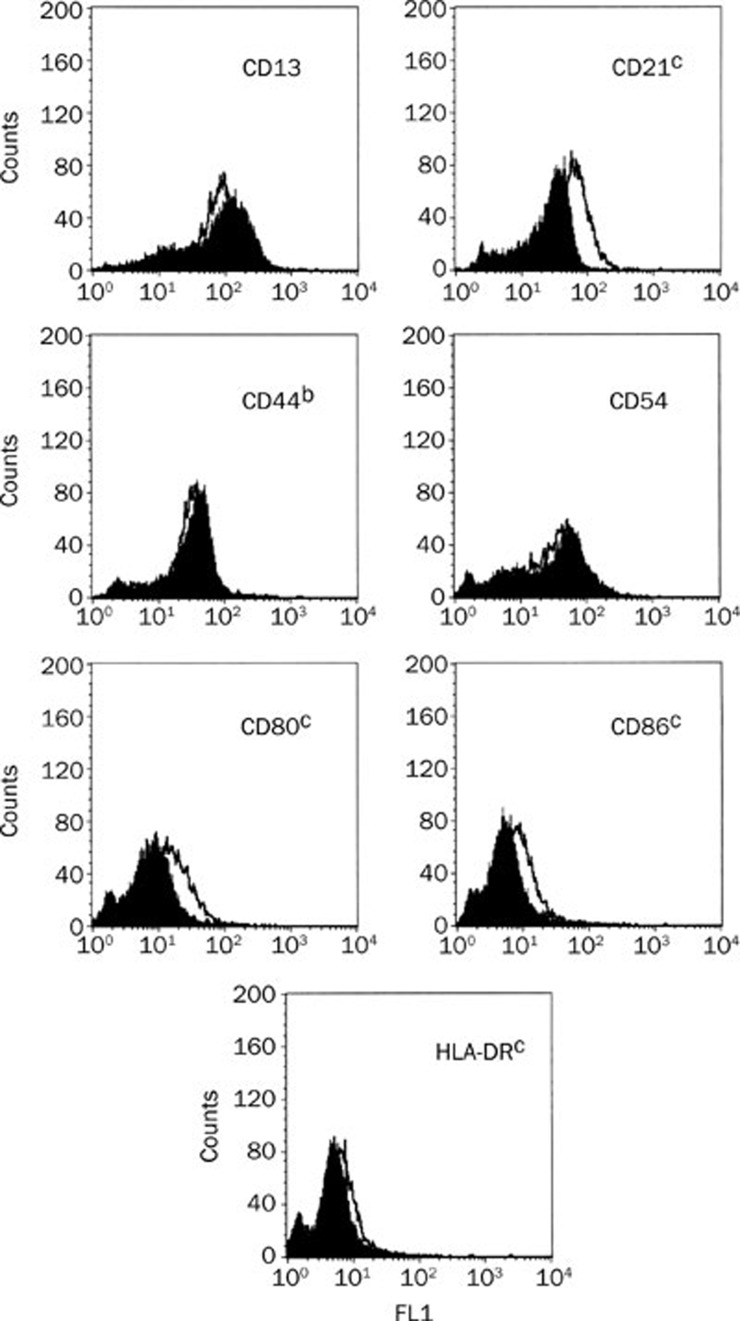
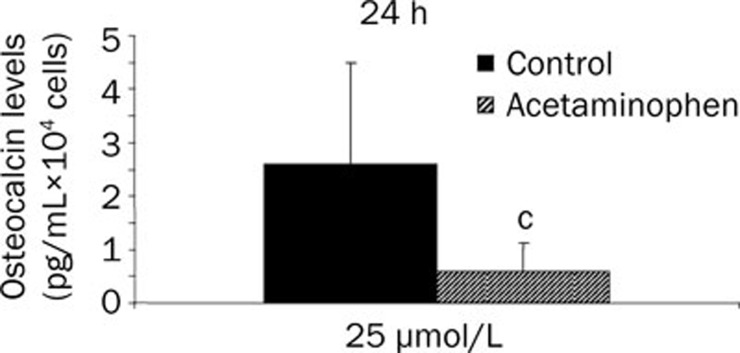
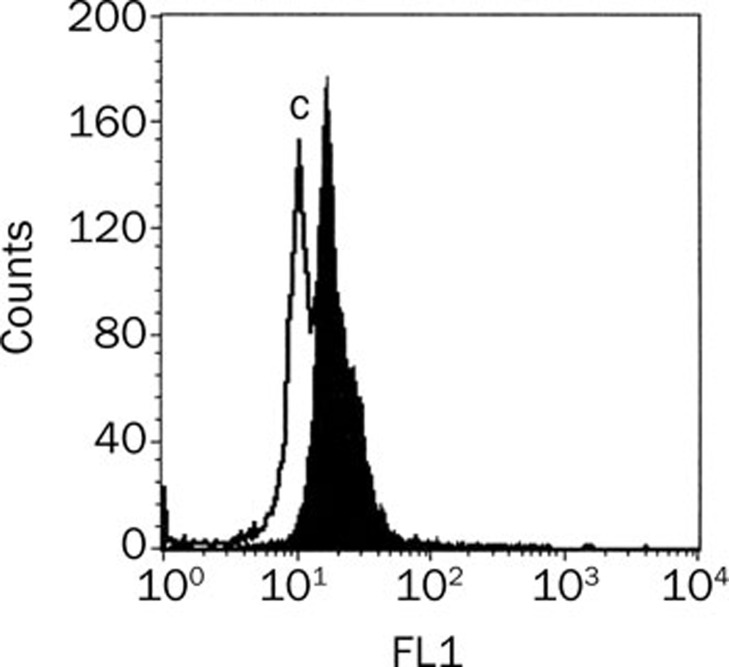
Results: Short-term treatment with therapeutic doses of paracetamol(5 or 25 μmol/L) reduced cell proliferation, osteocalcin synthesis, and phagocyte activity, and increased the expression of antigens involved in antigen presentation to T lymphocytes (CD80, CD86, HLA-DR).
Conclusion: These findings suggest that paracetamol activates the osteoblast, inducing its immunogenic action to the detriment of its bone formation capacity.
Figures
References
-
- Ferreira SH, Nakamura M, Castro M. The hyperalgesic effects of prostaciclin and prostaglandin E2. Prostaglandins. 1978;16:31–7. - PubMed
-
- Smith WL, Dewitt DL, Garavito RM. Cyclooxygenases: structural, cellular, and molecular biology. Ann Rev Biochem. 2000;69:145–82. - PubMed
-
- Esplugues JV, Barrachina MD.Mediadores celulares II. Eicosanoides Óxido Nítrico y factor activador de plaquetasIn: Flórez J, Armijo JA, Mediavilla A, editors. Farmacología Humana. Barcelona: Masson; 2004p47–362.
-
- Hinz B, Cheremina O, Brunek Acetaminophen (paracetamol) is a selective cyclooxigenase-2 inhibitor in man. FASEB J. 2008;22:383–90. - PubMed
-
- Davies M, Anderson K. Clinical pharmacokinetic of diclofenac: therapeutic insights and pitfalls. Clin Pharmacokinet. 1997;33:184–213. - PubMed
Publication types
MeSH terms
Substances
LinkOut - more resources
Full Text Sources
Other Literature Sources
Research Materials
