


The threats from oil spills: now, then, and in the future
- PMID: 21053719
- PMCID: PMC3357709
- DOI: 10.1007/s13280-010-0085-5
The threats from oil spills: now, then, and in the future
Abstract
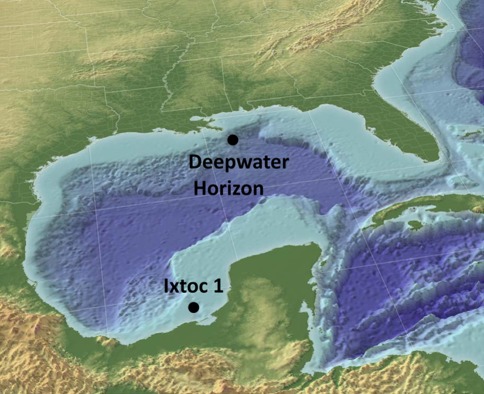
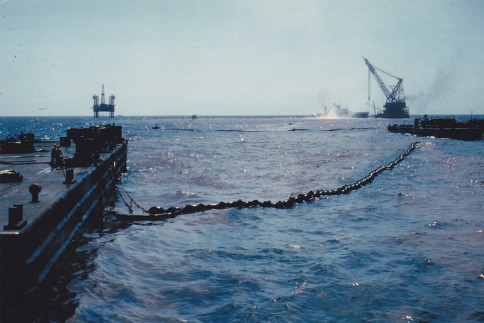
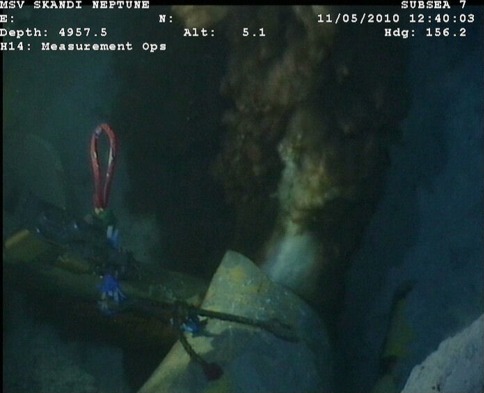
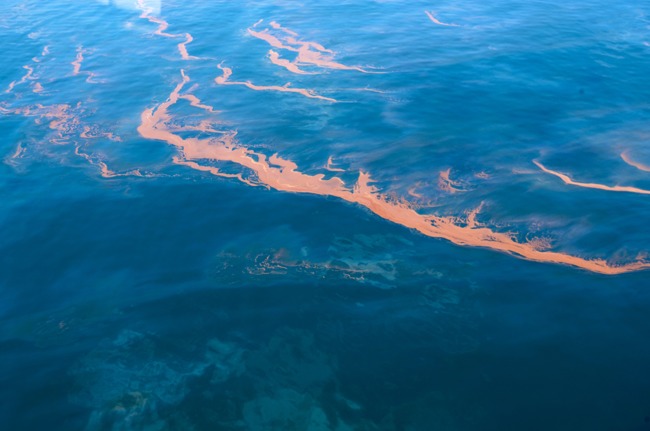
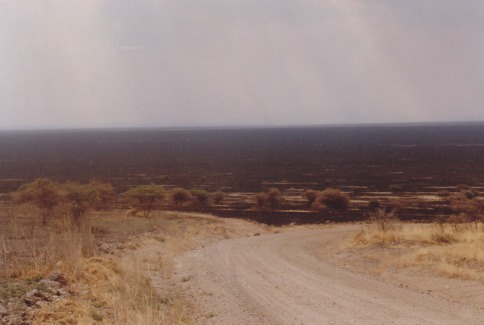
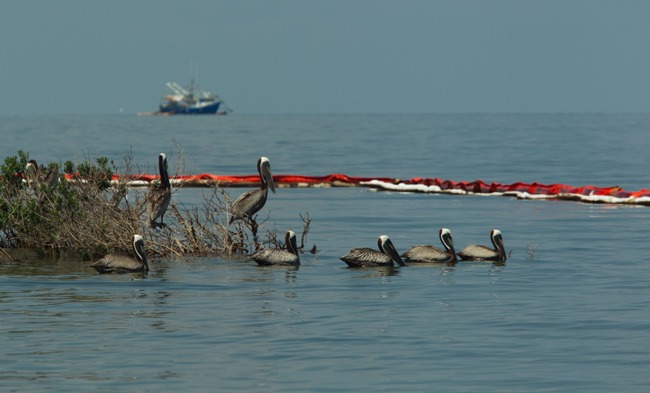
The ongoing oil spill from the blown-out well by the name of Macondo, drilled by the ill-fated rig Deepwater Horizon, has many features in common with another blowout in the Mexican Gulf that happened three decades ago. Then the oil gushed out from the Ixtoc I well drilled by the Sedco 135-F semi-submersible rig. In the years between these catastrophes, the source and nature of oil spills have undergone large changes. Huge spills from tankers that ran aground or collided used to be what caught the headlines and caused large ecological damage. The number and size of such accidental spills have decreased significantly. Instead, spills from ageing, ill-maintained or sabotaged pipelines have increased, and places like Arctic Russia, the Niger Delta, and the northwestern Amazon have become sites of reoccurring oil pollution. As for blowouts, there is no clear trend with regard to the number of incidences or amounts of spilled oil, but deepwater blowouts are much harder to cap and thus tend to go on longer and result in the release of larger quantities of oil. Also, oil exploration and extraction is moving into ever-deeper water and into stormier and icier seas, increasing potential risks. The risk for reoccurring spills like the two huge Mexican Gulf ones is eminent and must be reduced.
Figures
References
-
- Bazilescu, I., and B. Lyhus. 1996. The Russian Arctic Oil Spill, Trade and Environment Database (TED) Case Studies, Vol. 5, Case No. 265. http://www1.american.edu/TED/komi.htm.
-
- Dutriex E, Martin F, Guelorget O. Oil pollution and polychaeta in an estuarine mangrove community. Oil and Chemical Pollution. 1989;5(4):239–262. doi: 10.1016/S0269-8579(89)80014-0. - DOI
-
- Gaughran, A. 2009. Nigeria: Petroleum, pollution and poverty in the Niger Delta. Amnesty International Publications. http://www.amnesty.org/en/library/info/AFR44/017/2009/en.
-
- Geraci JR, St. Aubins DJ. Sea mammals and oil. Confronting the risks. London: Academic Press; 1990.
Publication types
MeSH terms
Substances
LinkOut - more resources
Full Text Sources
Miscellaneous
