


Inducible dopaminergic glutathione depletion in an α-synuclein transgenic mouse model results in age-related olfactory dysfunction
- PMID: 21055449
- PMCID: PMC3010458
- DOI: 10.1016/j.neuroscience.2010.10.072
Inducible dopaminergic glutathione depletion in an α-synuclein transgenic mouse model results in age-related olfactory dysfunction
Abstract
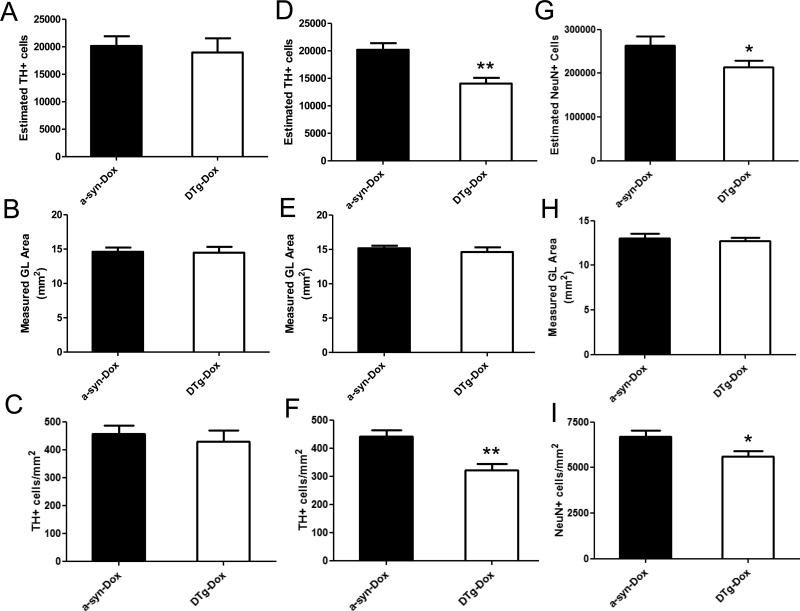
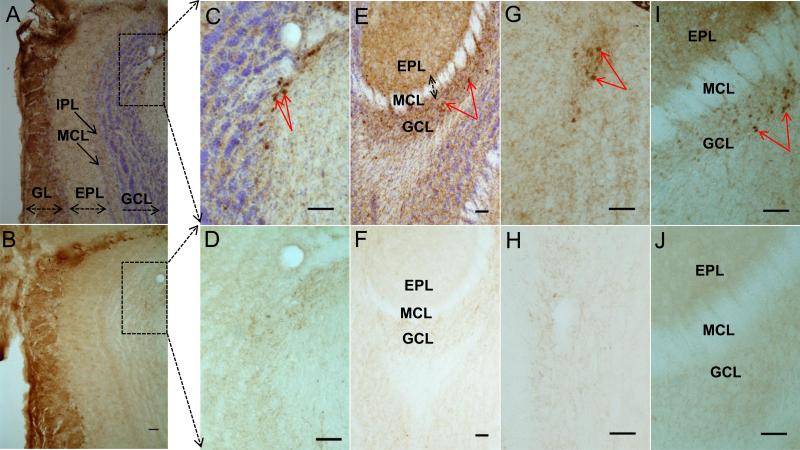
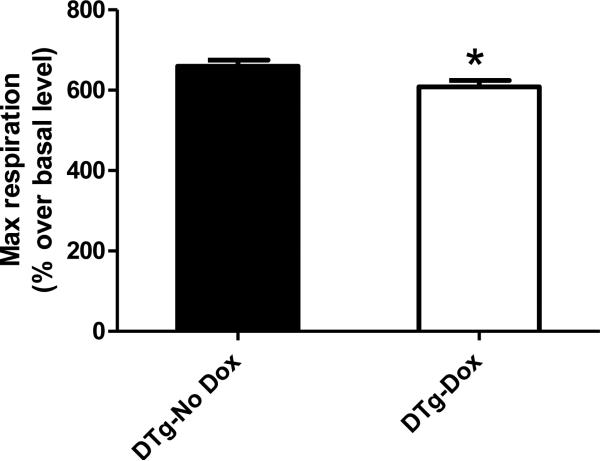
Parkinson's disease (PD) involves both motor and non-motor disturbances. Non-motor features include alterations in sensory olfactory function which may constitute a viable biomarker for the disorder. It is not clear what causes olfactory dysfunction but it appears to coincide with the development of synucleopathy within the olfactory bulb (OB). Elevation in alpha-synuclein (a-syn) is indeed a risk factor for development of the sporadic disorder. The multifactorial nature of the idiopathic disease combined with variability in its presentation suggests that it is likely to be influenced by several factors and that in vivo models that explore the synergistic effect of alpha-synuclein elevation with other potential contributing factors are likely to be of importance in understanding the disease etiology. Using a dual transgenic (DTg) mouse model of dopaminergic alpha-synuclein overexpression coupled with doxycycline (Dox)-inducible glutathione (GSH) depletion in these same cells, we demonstrate an age-related loss in behavioral olfactory function coupled with a significant neurodegeneration of glomerular dopaminergic neurons. This is accompanied by increase in alpha-synuclein levels in non-dopaminergic cells in the granule cell layer (GCL). In addition, isolated olfactory bulb synaptosomes from dual transgenic lines with Dox consistently showed a slight but significant reduction in maximum mitochondrial respiration compared to controls. These results suggest that in the presence of increased oxidative stress, increased alpha-synuclein expression within dopaminergic OB neurons results in neurodegeneration in the glomerular layer (GL) and increased alpha-synuclein levels in the granular cell layer which coincide with olfactory dysfunction.
Copyright © 2011 IBRO. Published by Elsevier Ltd. All rights reserved.
Figures
References
-
- Arnold SE, Smutzer GS, Trojanowski JQ, Moberg PJ. Cellular and molecular neuropathology of the olfactory epithelium and central olfactory pathways in Alzheimer's disease and schizophrenia. Ann N Y Acad Sci. 1998;30855:762–775. - PubMed
-
- Attems J, Lintner F, Jellinger KA. Olfactory involvement in aging and Alzheimer's disease: an autopsy study. J Alzheimers Dis. 2005;7(2):149–57. discussion 173-180. - PubMed
-
- Berendse HW, Booij J, Francot CM, Bergmans PL, Hijman R, Stoof JC, Wolters EC. Subclinical dopaminergic dysfunction in asymptomatic Parkinson's disease patients’ relatives with a decreased sense of smell. Ann Neurol. 2001;50(1):34–41. - PubMed
-
- Braak H, Del Tredici K, Rub U, de Vos RA, Jansen Steur EN, Braak E. Staging of brain pathology related to sporadic Parkinson's disease. Neurobiol Aging. 2003;24(2):197–211. - PubMed
Publication types
MeSH terms
Substances
Grants and funding
LinkOut - more resources
Full Text Sources
Medical
Molecular Biology Databases
Miscellaneous
