. 2010 Nov 24;40(4):645-57.
doi: 10.1016/j.molcel.2010.10.022. Epub 2010 Nov 4.

A genome-wide camptothecin sensitivity screen identifies a mammalian MMS22L-NFKBIL2 complex required for genomic stability

Affiliations

A genome-wide camptothecin sensitivity screen identifies a mammalian MMS22L-NFKBIL2 complex required for genomic stability

Brenda C O'Connell et al. Mol Cell. .

Abstract

Replication stress involving collision of replisomes with camptothecin (CPT)-stabilized DNA-Topoisomerase I adducts activates an ATR-dependent pathway to promote repair by homologous recombination. To identify human genes that protect cells from such replication stress, we performed a genome-wide CPT sensitivity screen. Among numerous candidate genes are two previously unstudied proteins: the ankyrin repeat protein NFKBIL2 and C6ORF167 (MMS22L), distantly related to yeast replication stress regulator Mms22p. MMS22L and NFKBIL2 interact with each other and with FACT (facilitator of chromatin transcription) and MCM (minichromosome maintenance) complexes. Cells depleted of NFKBIL2 or MMS22L are sensitive to DNA-damaging agents, load phosphorylated RPA onto chromatin in a CTIP-dependent manner, activate the ATR/ATRIP-CHK1 and double-strand break repair signaling pathways, and are defective in HR. This study identifies MMS22L-NFKBIL2 as components of the replication stress control pathway and provides a resource for discovery of additional components of this pathway.


Figures

Figure 1
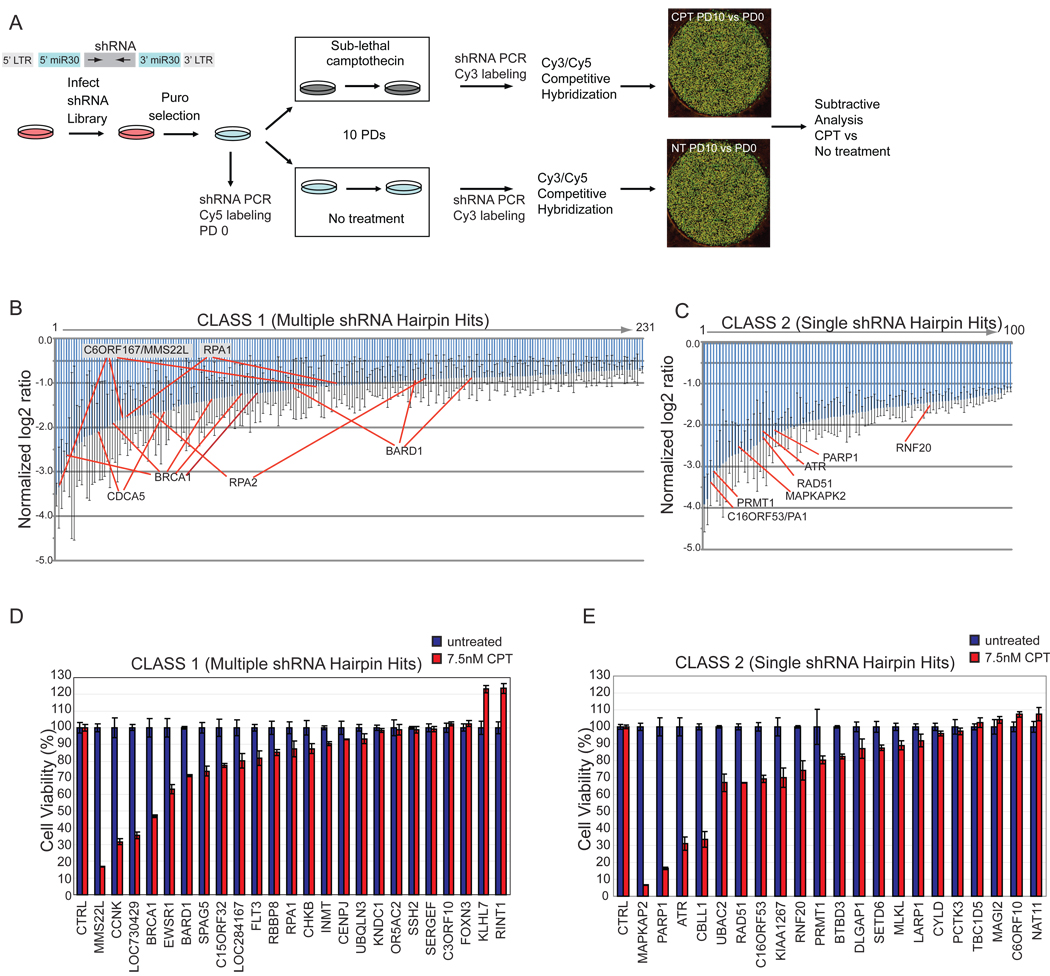
Figure 1. A genome-wide shRNA screen to identify genes necessary for resistance to CPT
(A) Schematic of the primary screen. (B, C) Normalized log2 ratios for candidate genes. Error bars indicate the standard error of the mean for triplicate hybridization signals for each shRNA. Individual shRNAs for selected genes are indicated. (D, E) MCA in HeLa cells transduced with shRNAs targeting the indicated Class 1 (panel D) or Class 2 (panel E) genes with or without CPT (7.5 nM). Error bars represent standard deviation (STDEV) for triplicate assays.
Figure 2
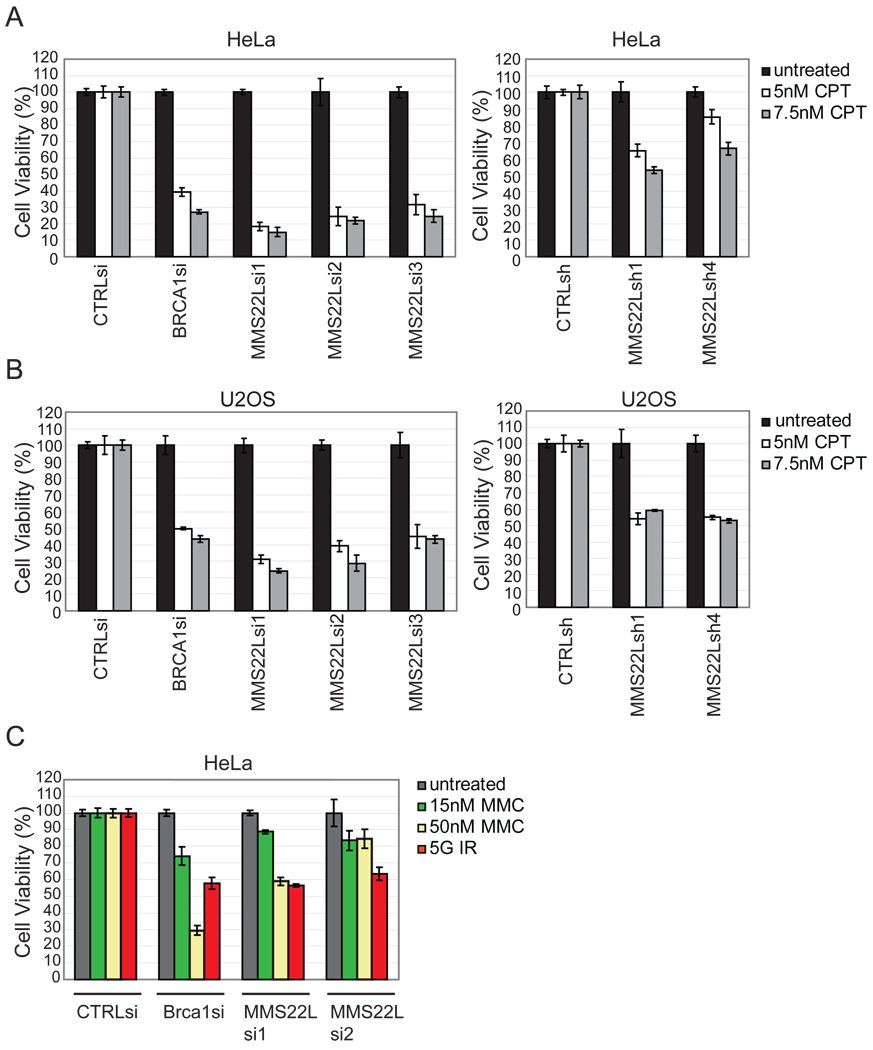
Figure 2. MMS22L promotes resistance to DNA damaging agents
(A, B) MCA in HeLa or U2OS cells using the indicated RNAis with or without CPT (5 or 7.5 nM). CTRLsi is a control siRNA (see Table S1). Error bars represent STDEV for triplicate assays. (C) MCA in HeLa cells transduced with RNAis with or without MMC (15 nM or 50 nM) or IR. Error bars represent STDEV for triplicate assays.
Figure 3
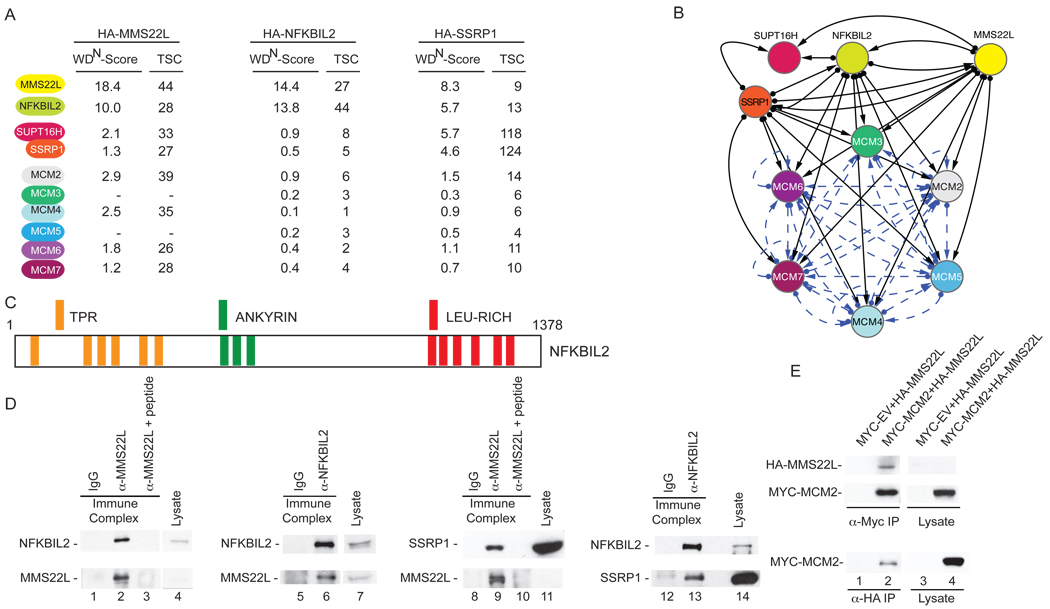
Figure 3. MMS22L interacts with NFKBIL2, the FACT complex, and the replicative helicase MCM complex
(A) HA-tagged proteins were stably expressed in 293T cells, immunoprecipitated with α-HA, and analyzed by mass spectrometry. Total spectral counts (TSCs) were analyzed using CompPASS, and normalized weighted D-scores (WDN-scores) determined (Behrends et al., 2010). Proteins with WDN-scores >1.0 are considered high confidence candidate interacting proteins. (B) Interaction network for proteins identified in association with MMS22L, NFKBIL2, and SSRP1. Solid lines: this study. Dotted lines: BIOGRID. (C) Domain structure of NFKBIL2. (D) Validation of interaction in 293T cell extracts using endogenous co-immunoprecipiation with the indicated antibodies with or with a competing antigenic peptide for MMS22L. (E) Extracts from 293T cells expressing the indicated proteins were subjected to immunoprecipitation with the indicated antibodies and blots probed with α-MYC or α-HA.
Figure 4
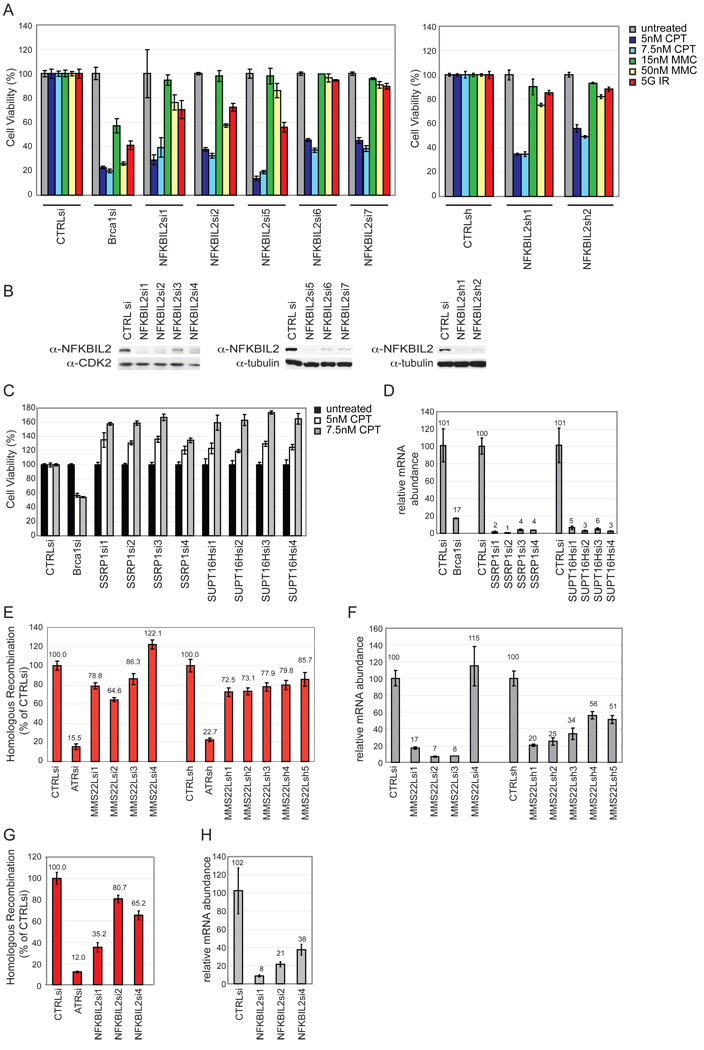
Figure 4. NFKBIL2 is required for resistance to DNA damaging agents, and both MMS22L and NFKBIL2 promote HR
(A) MCA in HeLa cells using the indicated RNAis targeting NFKBIL2 or BRCA1 in the absence or presence of DNA damaging agents. CTRLsi or CTRLsh are a control RNAis (see Table S1). Error bars represent STDEV for triplicate assays. (B) Immunoblots of crude cell extracts showing depletion of NFKBIL2 with various RNAis. Tubulin was used as a loading control. (C, D) MCA in HeLa cells using the indicated RNAis targeting SSRP1, SUPT16H, or BRCA1 in the absence or presence of CPT (C). CTRLsi or CTRLsh are controls RNAis (see Table S1). Error bars represent STDEV for triplicate assays. mRNA depletion for each siRNA was determined using qPCR (D). (E–H) MMS22L and NFKBIL2 promote HR. The extent of HR in DR-GFP U2OS cells subjected to MMS22L (E) or NFKBIL2 (G) depletion was determined by flow cytometry 36 h post infection with adenovirus-I-Sce1. Error bars are STDEV across 3 technical replicates. Extent of mRNA depletion by the indicated RNAi, as determined by qPCR (F and H).
Figure 5
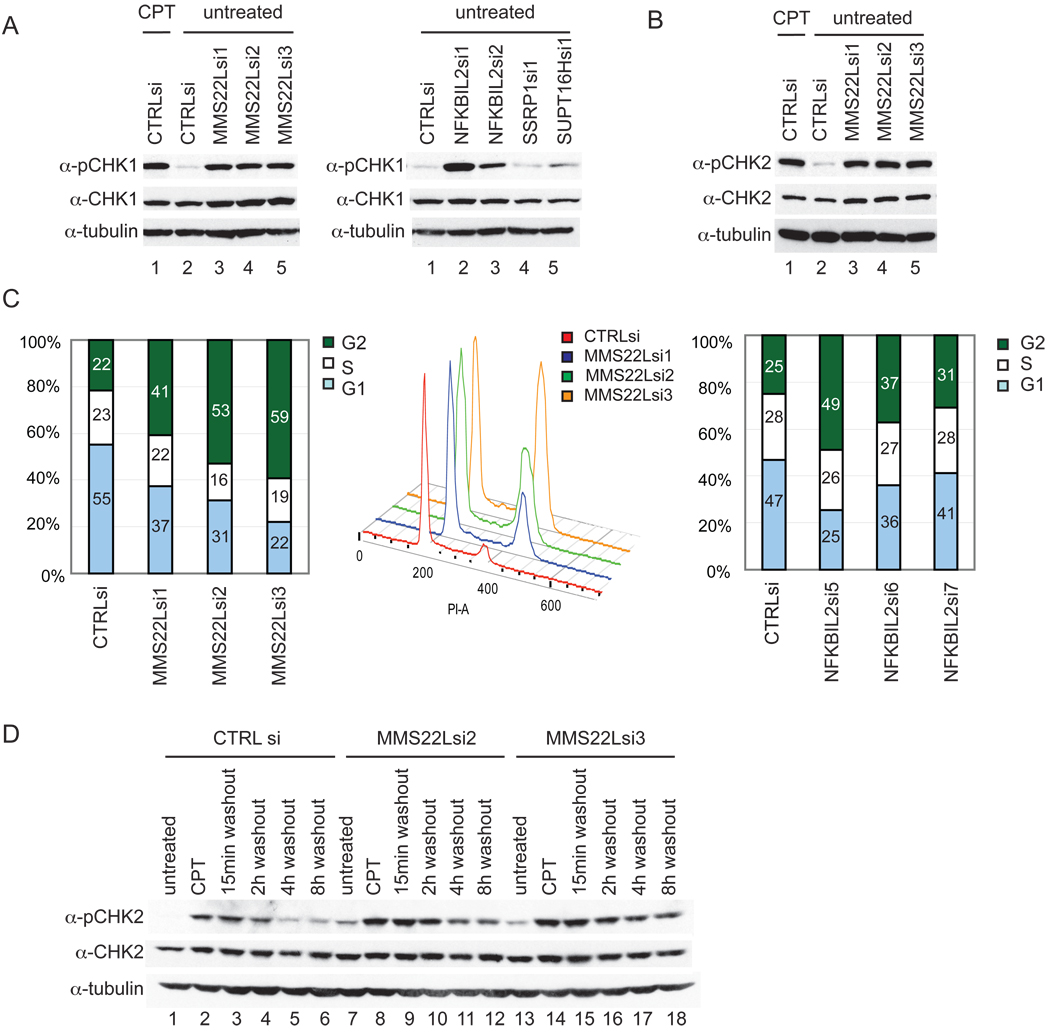
Figure 5. MMS22L and NFKBIL2 suppresses intrinsic checkpoint activation and MMS22L is required for efficient recovery from the DNA damage checkpoint
(A, B) Effect of MMS22L, NFKBIL2, or FACT depletion on CHK1 or CHK2 activation. Extracts from the indicated cells were immunoblotted with the indicated antibodies, using CPT (2 µM, 1h) as a checkpoint activation control. (C) Effect of MMS22L or NFKBIL2 depletion on cell cycle progression. G1, S, and G2/M phases were determined by flow cytometry using propidium iodide staining, with the middle panel showing flow diagrams for MMS22L depletion. (D) HeLa cells were transfected with the indicated siRNAs and after 72 h, cells were cultured with or without CPT (2 µM 1h). CPT was removed and extracts from cells analyzed for CHK2 and phospho-CHK2 (T68) at the indicated times with tubulin as a loading control.
Figure 6
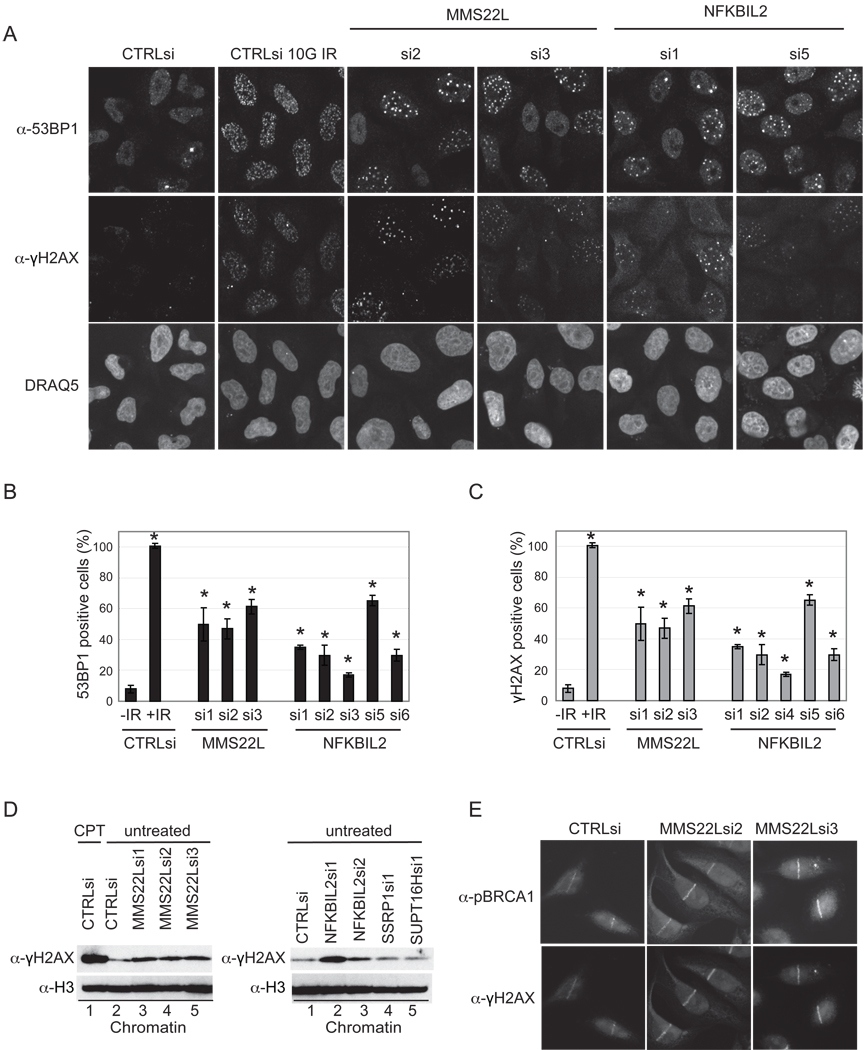
Figure 6. MMS22L or NFKBIL2 depletion activates DSB signaling pathways
(A–C) Induction of 53BP1 or γH2AX foci upon MMS22L or NFKBIL2 depletion. HeLa cells transfected with the indicated siRNAs (72 h) were co-stained for 53BP1 or γH2AX, and nuclei stained with DRAQ5 (A). Cells were also subjected to IR (10 G) as a positive control for IRIF formation. (B, C) Quantification of 53BP1 (B) and γH2AX (C) foci in >200 cells (see Supplemental Methods) from quadruplicate transfections. * indicates p<.01 as determined by Students t-test. (D) HeLa cells were depleted of the indicated proteins and γH2AX on chromatin determined by immunoblotting with histone H3 as a loading control. (E) HeLa cells transfected with the indicated siRNAs were subjected to laser micro-irradiation and after 30 min, cells were fixed and subjected to immunoflourescence using α-γH2AX or α-phospho-BRCA1 (S1524).
Figure 7
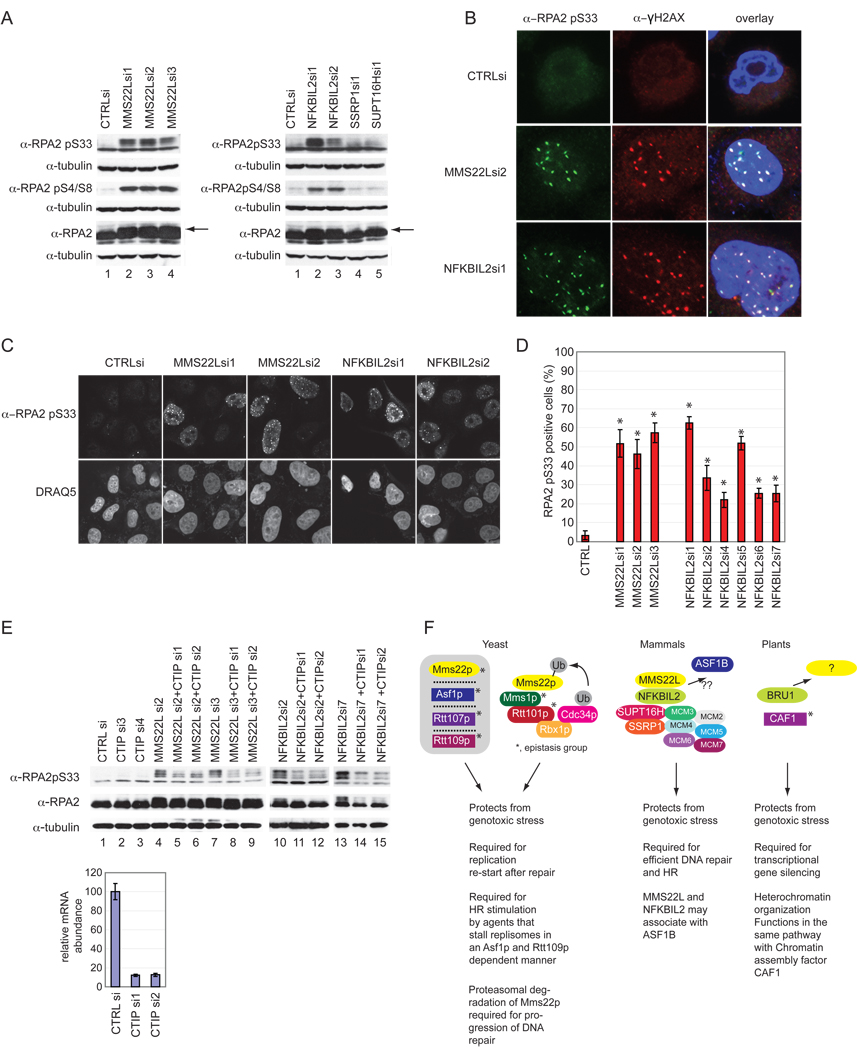
Figure 7. Architecture of MMS22L-NFKBIL2 complexes in yeast, humans and plants
(A–D) Depletion of MMS22L or NFKBIL2 promotes RPA2 phosphorylation and co-localization in γH2AX-positive IRIFs. HeLa cells were transfected with the indicated siRNAs and after 72 h, cell were either processed for immunoblotting with the indicated antibodies (A) or immunofluorescence with α-RPA2 pS33 (B,C) or α-γH2AX/α-RPA2 pS33 (B). In D, >200 cells from 4 replicate transfections were stained with α-RPA2 pS33 and cells quantified as described in the Supplemental Methods. Arrows indicate the position of phosphorylated RPA2. * indicates p<.01 as determined by Students t-test. (E) CTIP is required for RPA2 phosphorylation in response to depletion of either MMS22L or NFKBIL2. Extracts from the indicated cells were immunoblotted with the indicated antibodies. mRNA abundance for CTIP was determined by qPCR. (F) Known physical and genetic interactions are shown schematically and functions within each organism are summarized. See text for details.

Comment in

References

    1. Anantha RW, Vassin VM, Borowiec JA. Sequential and synergistic modification of human RPA stimulates chromosomal DNA repair. J Biol Chem. 2007;282:35910–35923. - PubMed
    1. Baldwin EL, Berger AC, Corbett AH, Osheroff N. Mms22p protects Saccharomyces cerevisiae from DNA damage induced by topoisomerase II. Nucleic Acids Res. 2005;33:1021–1030. - PMC - PubMed
    1. Behrends C, Sowa ME, Gygi SP, Harper JW. Network organization of the human autophagy system. Nature. 2010;466:68–77. - PMC - PubMed
    1. Ben-Aroya S, Agmon N, Yuen K, Kwok T, McManus K, Kupiec M, Hieter P. Proteasome nuclear activity affects chromosome stability by controlling the turnover of Mms22, a protein important for DNA repair. PLoS Genet. 2010;6:e1000852. - PMC - PubMed
    1. Bennett CB, Lewis LK, Karthikeyan G, Lobachev KS, Jin YH, Sterling JF, Snipe JR, Resnick MA. Genes required for ionizing radiation resistance in yeast. Nat Genet. 2001;29:426–434. - PubMed

Publication types

MeSH terms