


Xenobiotic metabolism, disposition, and regulation by receptors: from biochemical phenomenon to predictors of major toxicities
- PMID: 21059794
- PMCID: PMC3145385
- DOI: 10.1093/toxsci/kfq338
Xenobiotic metabolism, disposition, and regulation by receptors: from biochemical phenomenon to predictors of major toxicities
Abstract
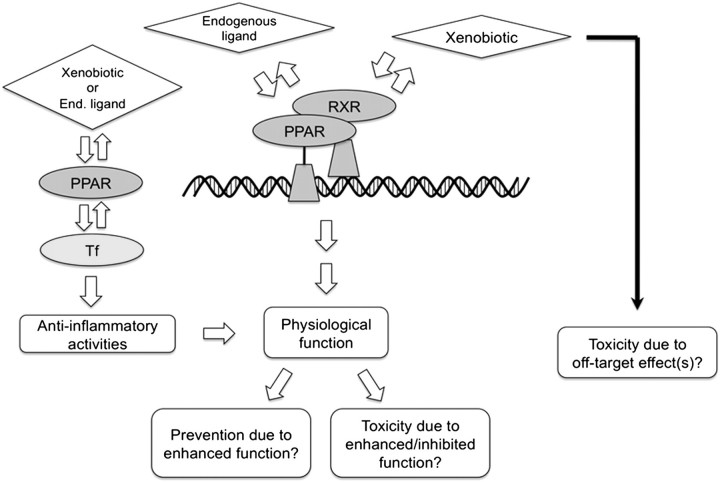
To commemorate the 50th anniversary of the Society of Toxicology, this special edition article reviews the history and current scope of xenobiotic metabolism and transport, with special emphasis on the discoveries and impact of selected "xenobiotic receptors." This overall research realm has witnessed dynamic development in the past 50 years, and several of the key milestone events that mark the impressive progress in these areas of toxicological sciences are highlighted. From the initial observations regarding aspects of drug metabolism dating from the mid- to late 1800's, the area of biotransformation research witnessed seminal discoveries in the mid-1900's and onward that are remarkable in retrospect, including the discovery and characterization of the phase I monooxygenases, the cytochrome P450s. Further research uncovered many aspects of the biochemistry of xenobiotic metabolism, expanding to phase II conjugation and phase III xenobiotic transport. This led to hallmark developments involving integration of genomic technologies to elucidate the basis for interindividual differences in response to xenobiotic exposures and discovery of nuclear and soluble receptor families that selectively "sense" the chemical milieu of the mammalian cell and orchestrate compensatory changes in gene expression programming to accommodate complex xenobiotic exposures. This review will briefly summarize these developments and investigate the expanding roles of xenobiotic receptor biology in the underlying basis of toxicological response to chemical agents.
Figures



References
-
- Alvares AP, Schilling G, Levin W, Kuntzman R. Studies on the induction of CO-binding pigments in liver microsomes by phenobarbital and 3-methylcholanthrene. Biochem. Biophys. Res. Commun. 1967;29:521–526. - PubMed
-
- Amri EZ, Bonino F, Ailhaud G, Abumrad NA, Grimaldi PA. Cloning of a protein that mediates transcriptional effects of fatty acids in preadipocytes. Homology to peroxisome proliferator-activated receptors. J. Biol. Chem. 1995;270:2367–2371. - PubMed
-
- Ashby J, Brady A, Elcombe CR, Elliott BM, Ishmael J, Odum J, Tugwood JD, Kettle S, Purchase IF. Mechanistically-based human hazard assessment of peroxisome proliferator-induced hepatocarcinogenesis. Hum. Exp. Toxicol. 1994;13(Suppl. 2):S1–S117. - PubMed
-
- Assem M, Schuetz EG, Leggas M, Sun D, Yasuda K, Reid G, Zelcer N, Adachi M, Strom S, Evans RM. Interactions between hepatic Mrp4 and Sult2a as revealed by the constitutive androstane receptor and Mrp4 knockout mice. J. Biol. Chem. 2004;279:22250–22257. - PubMed
Publication types
MeSH terms
Substances
Grants and funding
LinkOut - more resources
Full Text Sources
Other Literature Sources
Miscellaneous
