


Heparin use in a rat hemorrhagic shock model induces biologic activity in mesenteric lymph separate from shock
- PMID: 21063238
- PMCID: PMC3089771
- DOI: 10.1097/SHK.0b013e31820239ee
Heparin use in a rat hemorrhagic shock model induces biologic activity in mesenteric lymph separate from shock
Abstract
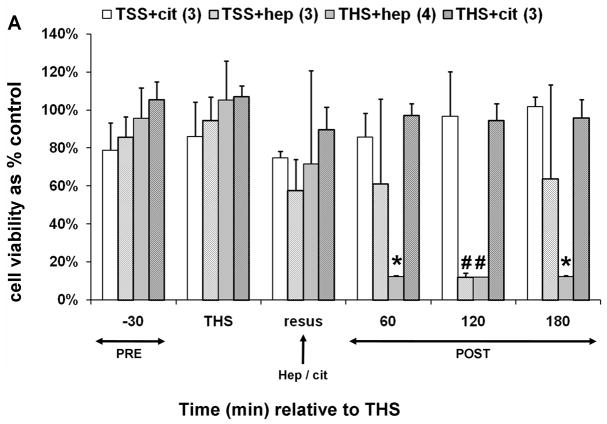
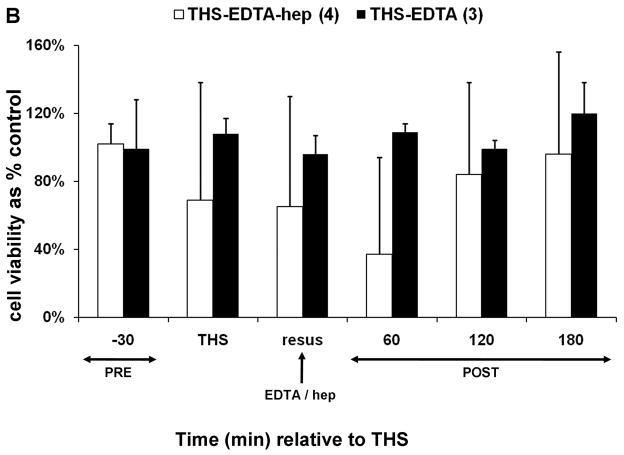
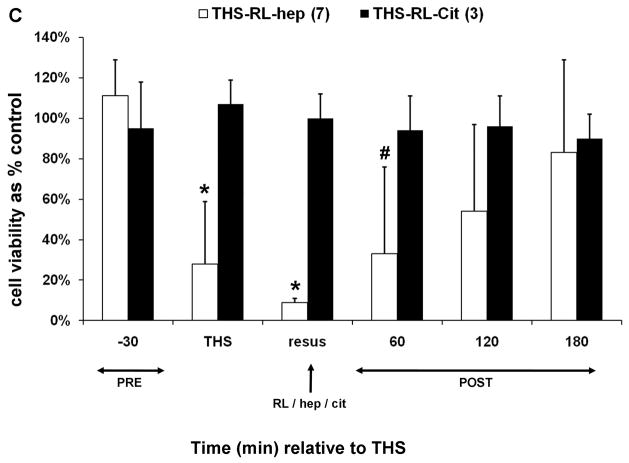
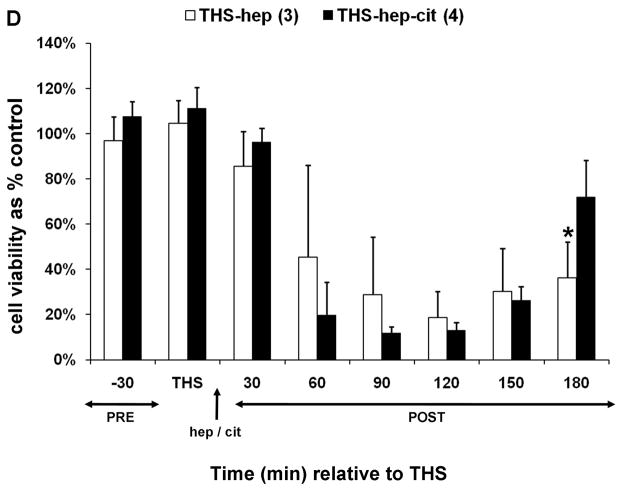
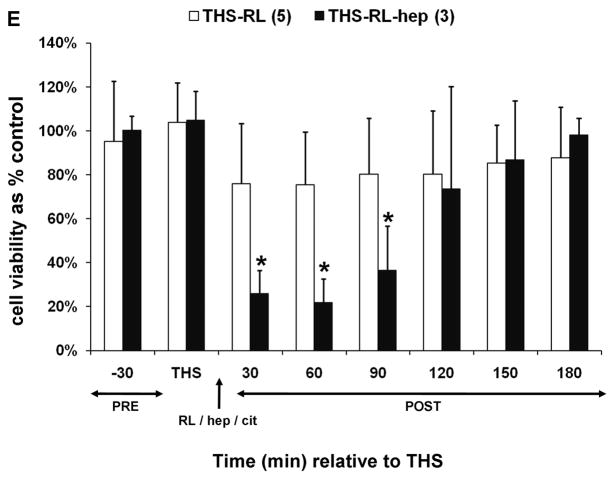
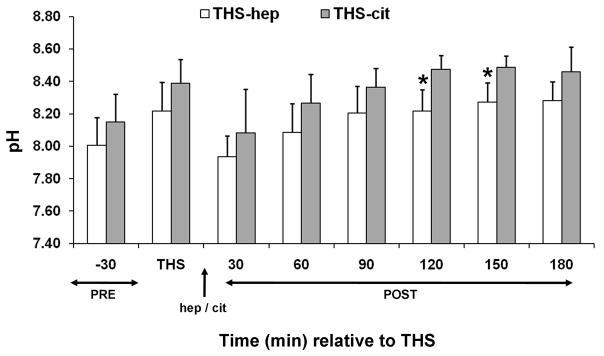
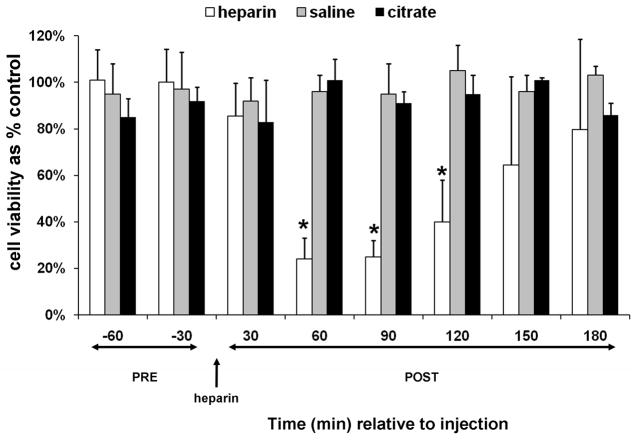
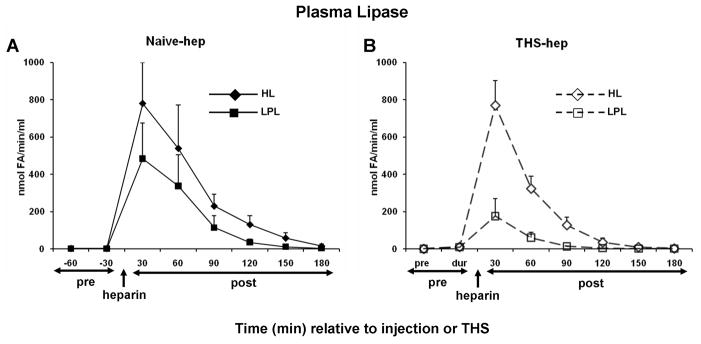
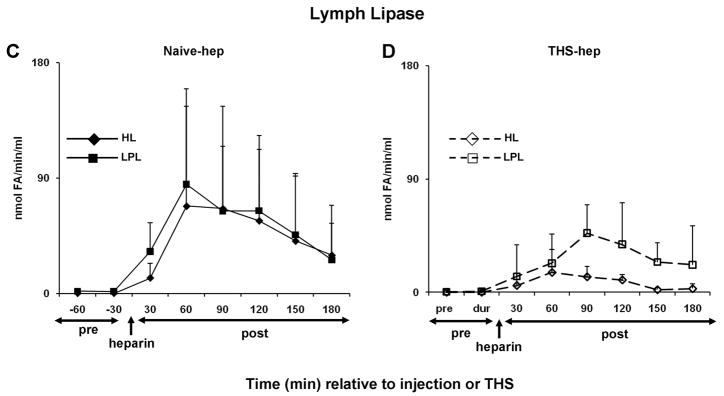
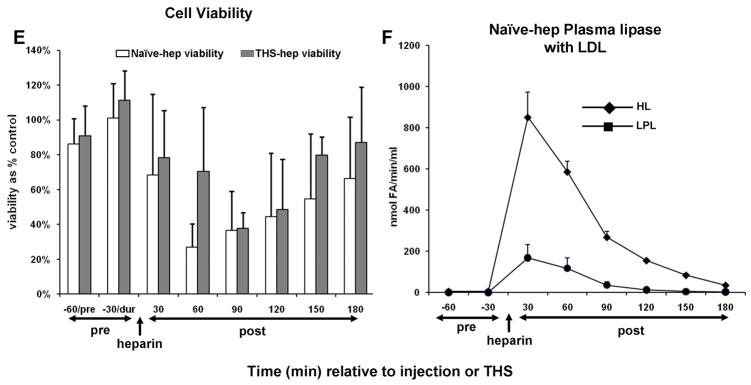
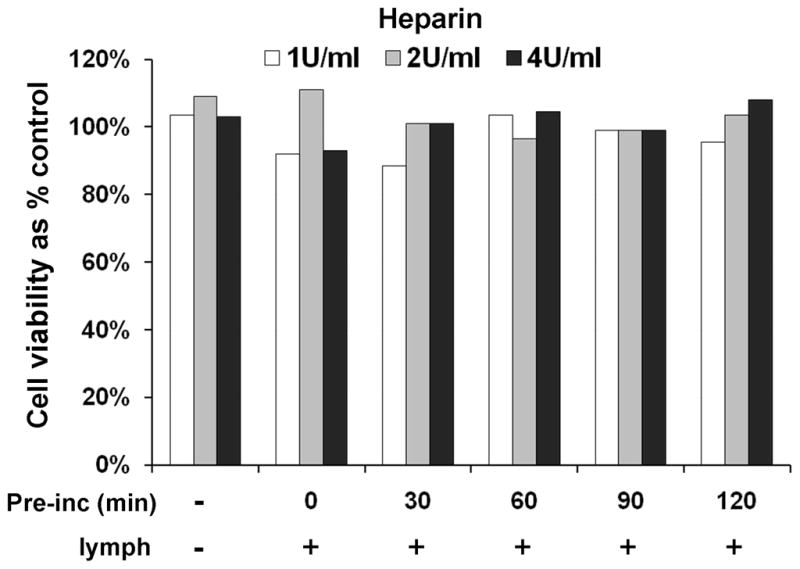
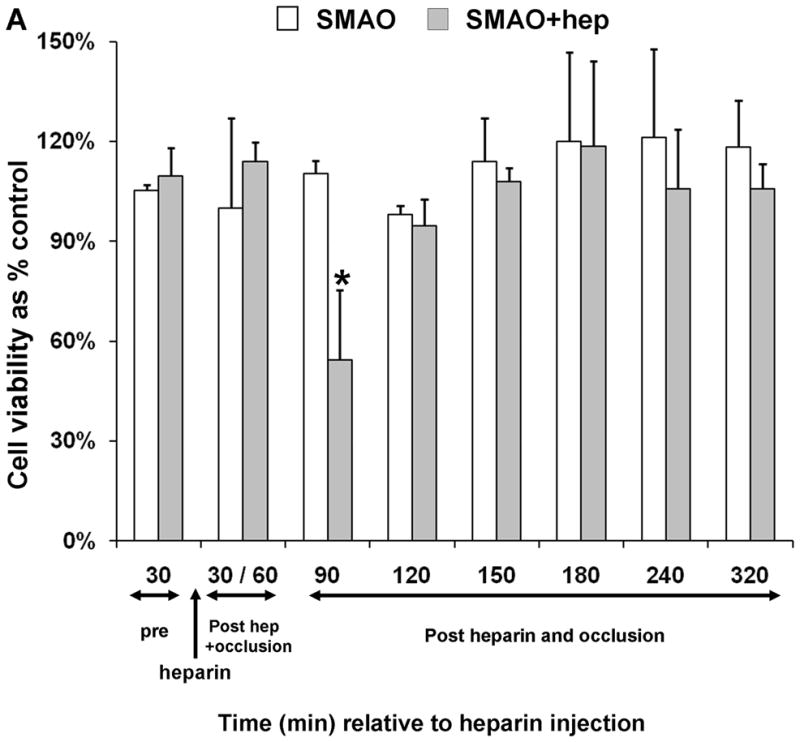
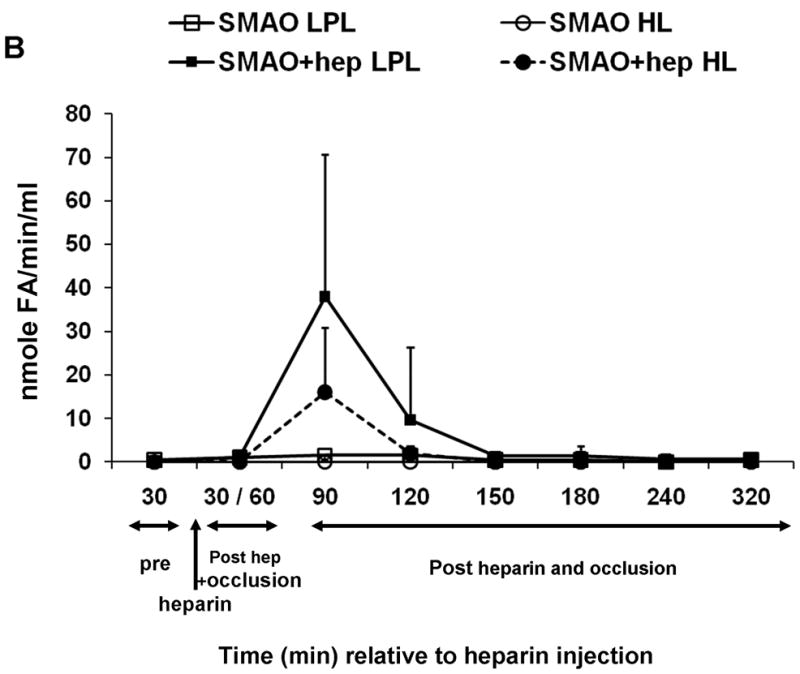
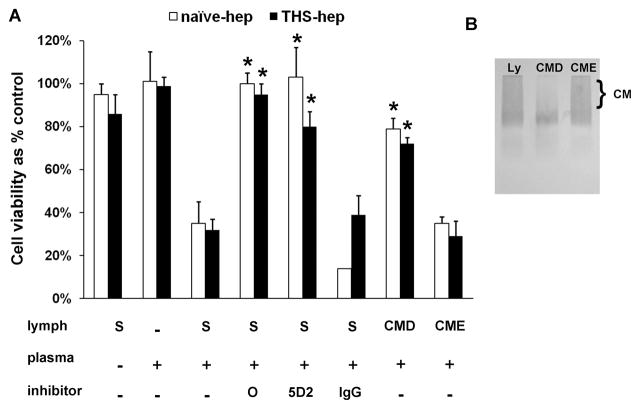
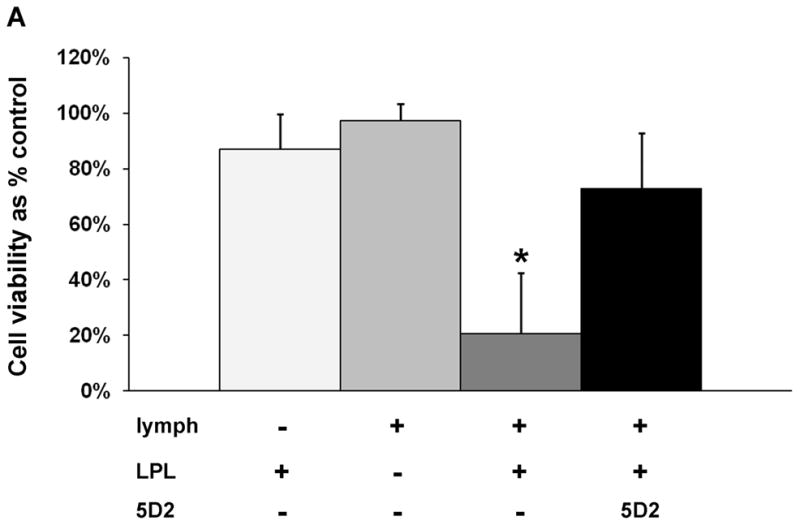
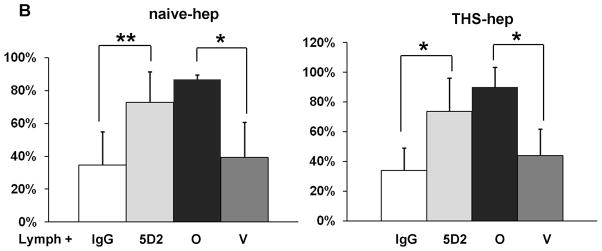
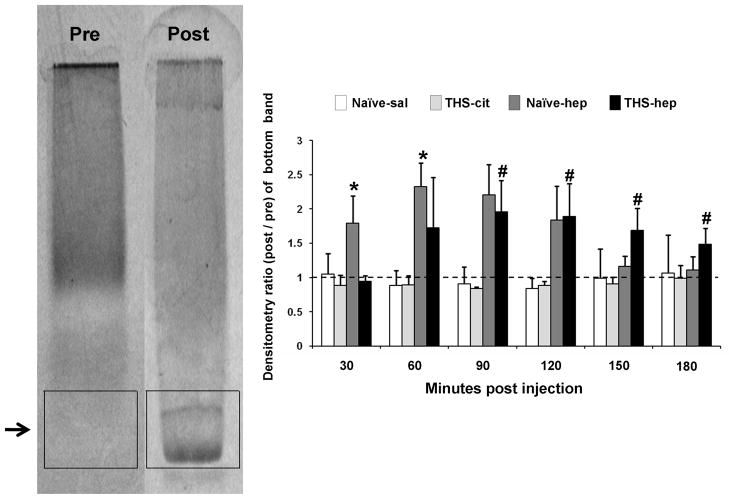
Experimental data have shown that mesenteric lymph from rats subjected to trauma-hemorrhagic shock (THS) but not trauma-sham shock induces neutrophil activation, cytotoxicity, decreased red blood cell (RBC) deformability, and bone marrow colony growth suppression. These data have led to the hypothesis that gut factors produced from THS enter the systemic circulation via the mesenteric lymphatics and contribute to the progression of multiple organ failure after THS. Ongoing studies designed to identify bioactive lymph agents implicated factors associated with the heparin use in the THS procedure. We investigated if heparin itself was responsible for reported toxicity to human umbilical vein endothelial cells (HUVECs). Human umbilical vein endothelial cell toxicity was not induced by lymph when alternate anticoagulants (citrate and EDTA) were used in THS. Human umbilical vein endothelial cell toxicity was induced by lymph after heparin but not saline or citrate injection into trauma-sham shock and naive animals and was dose dependent. Activities of both heparin-releasable lipases (lipoprotein and hepatic) were detected in the plasma and lymph from THS and naive animals receiving heparin but not citrate or saline. Lymph-induced HUVEC toxicity correlated with lymph lipase activities. Finally, incubation of HUVECs with purified lipoprotein lipase added to naive lymph-induced toxicity in vitro. These data show that heparin, not THS, is responsible for the reported lymph-mediated HUVEC toxicity through its release of lipases into the lymph. These findings can provide alternative explanations for several of the THS effects reported in the literature using heparin models, thus necessitating a review of previous work in this field.
Conflict of interest statement
Figures
References
-
- Deitch EA, Goodman E. Prevention of Multiple Organ Failure. Surg Clin North Am. 1999;79(6):1471–1488. - PubMed
-
- Glenn TM, Lefer AM. Protective effect of thoracic lymph diversion in hemorrhagic shock. Am J Physiol. 1970;219(5):1305–1310. - PubMed
-
- Papp M, Nemeth E, Feuer I, Fodor I. Effect of an impairment of lymph flow on experimental acute “pancreatitis”. Acta Med Acad Sci Hung. 1957;11(2):203–208. - PubMed
-
- Deitch EA, Xu DZ, Kaiser VL. Role of the gut in development of injury and shock induced SIRS and MODS: the gut-lymph hypothesis, a review. Front Biosci. 2006;11:520–528. - PubMed
Publication types
MeSH terms
Substances
Grants and funding
LinkOut - more resources
Full Text Sources
Medical
