


Centriole duplication: analogue control in a digital age
- PMID: 21067522
- PMCID: PMC3051170
- DOI: 10.1042/CBI20100612
Centriole duplication: analogue control in a digital age
Abstract
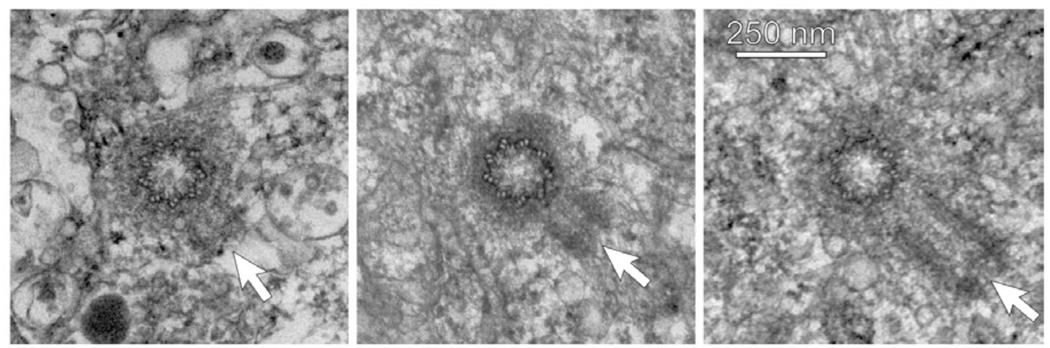
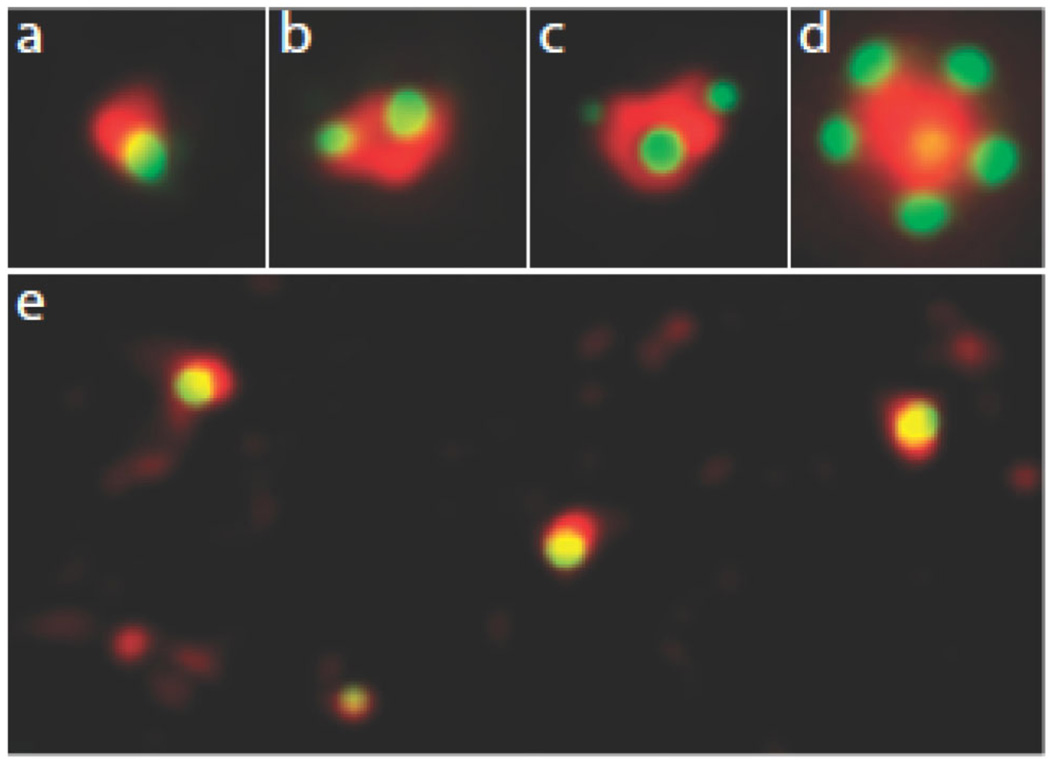
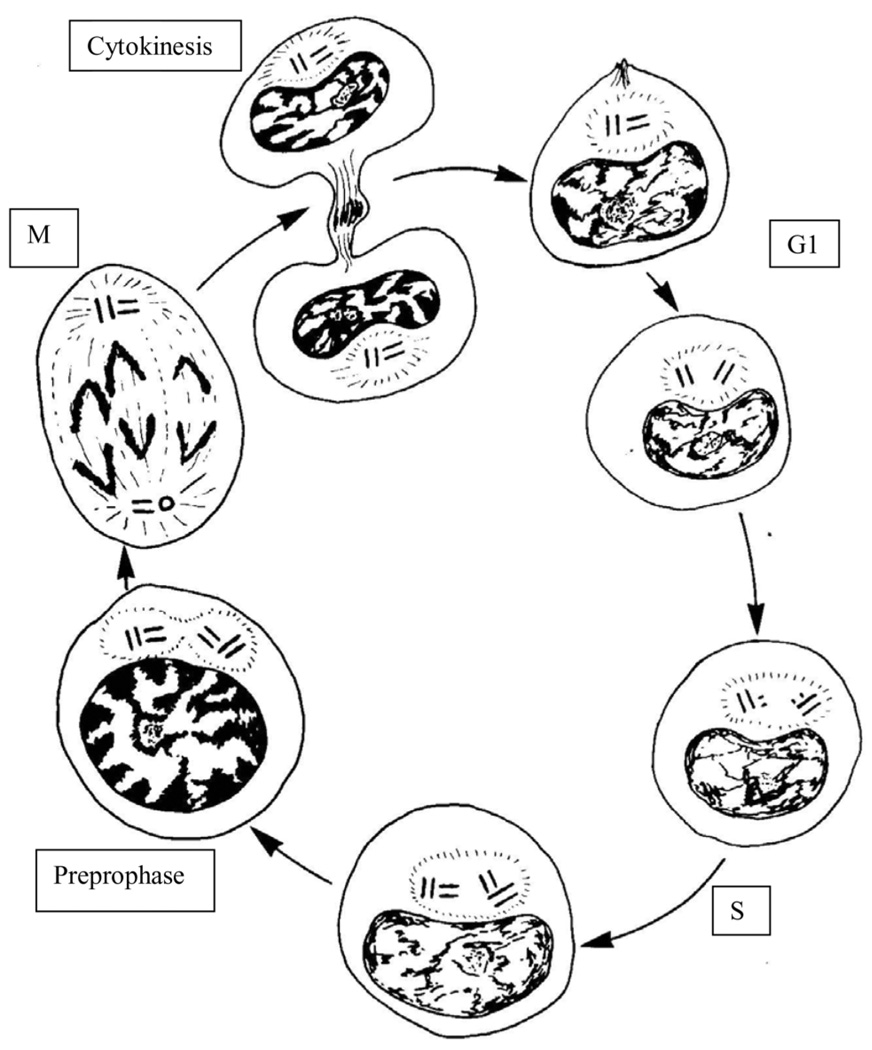
In preparation for mitosis, the centrosome doubles once and only once to provide the two poles of the mitotic spindle. The presence of more than two centrosomes increases the chances that mitosis will be multipolar, and chromosomes will be distributed unequally. Since the number of mother-daughter centriole pairs determines the number of centrosomes, it is important that only one daughter centriole is assembled at, but slightly separated from, the proximal end of each mother centriole. This numerical and spatial specificity has led to the belief that a 'template' on the mother centriole provides a unique site for procentriole assembly. We review observations that are leading to the demise of this intuitively attractive idea. In its place, we are left with the notion that pericentriolar material at the wall of the mother centriole provides a local environment that promotes the assembly of a macromolecular complex that seeds the daughter centriole. Even though the system normally behaves in a digital fashion to go from zero to just one daughter centriole per mother, this behaviour appears to be based in the precise analogue control of multiple proteins, their activities, and the structure provided by the mother centriole.
Figures
References
-
- Alvey PL. An investigation of the centriole cycle using 3T3 and CHO cells. J Cell Sci. 1985;78:147–162. - PubMed
-
- Andersen JS, Wilkinson CJ, Mayor T, Mortensen P, Nigg EA, Mann M. Proteomic characterization of the human centrosome by protein correlation profiling. Nature. 2003;426:570–574. - PubMed
-
- Beisson J, Wright M. Basal body/centriole assembly and continuity. Curr Opin Cell Biol. 2003;15:96–104. - PubMed
Publication types
MeSH terms
Grants and funding
LinkOut - more resources
Full Text Sources
