


Anatomic magnetic resonance imaging of the developing child and adolescent brain and effects of genetic variation
- PMID: 21069466
- PMCID: PMC3268519
- DOI: 10.1007/s11065-010-9151-9
Anatomic magnetic resonance imaging of the developing child and adolescent brain and effects of genetic variation
Abstract
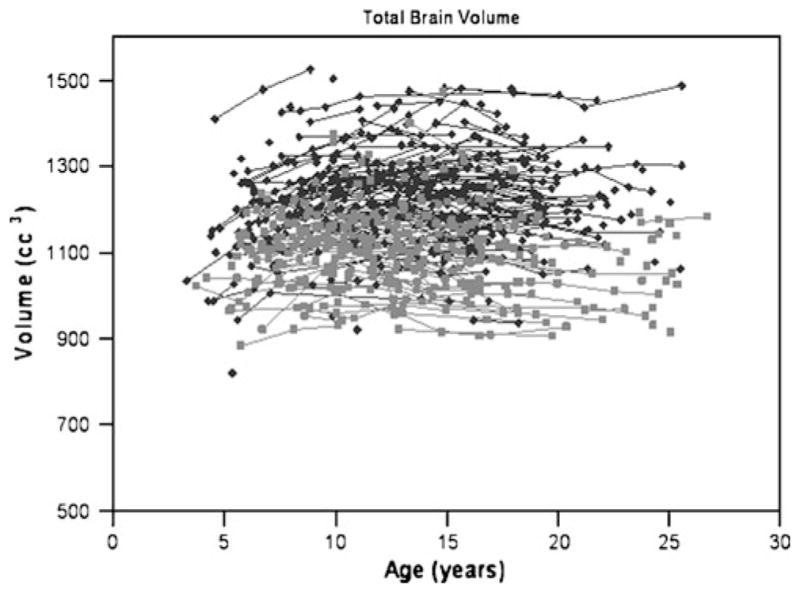
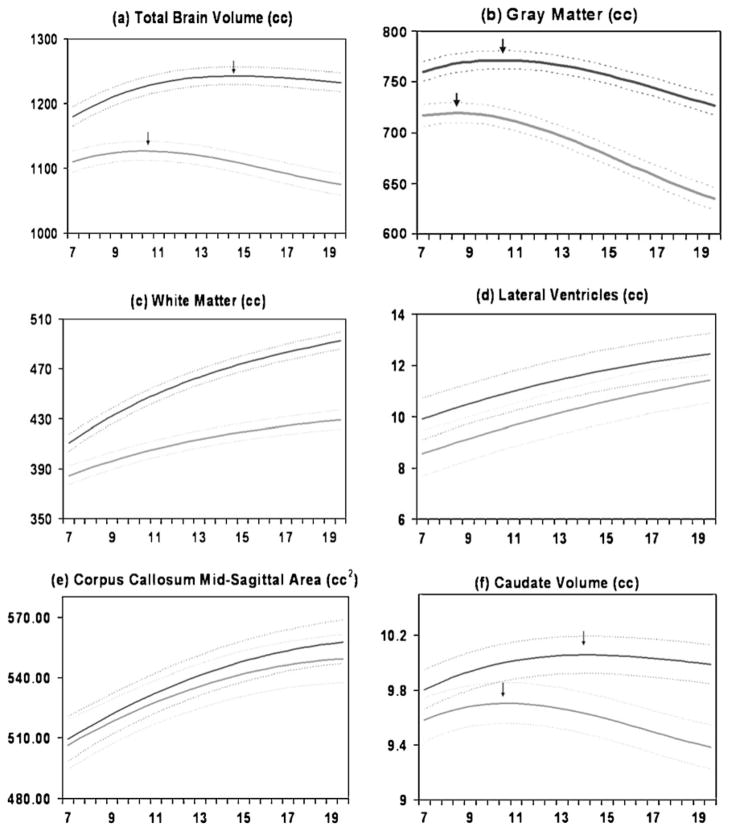
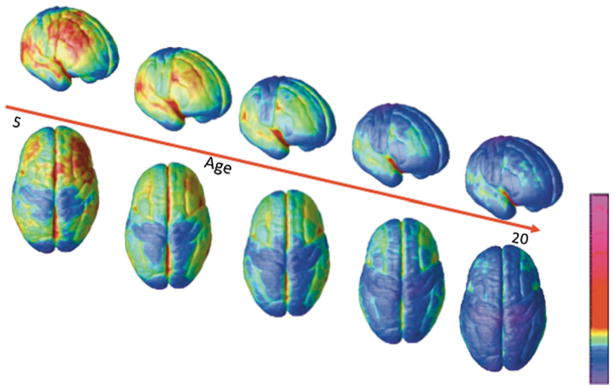
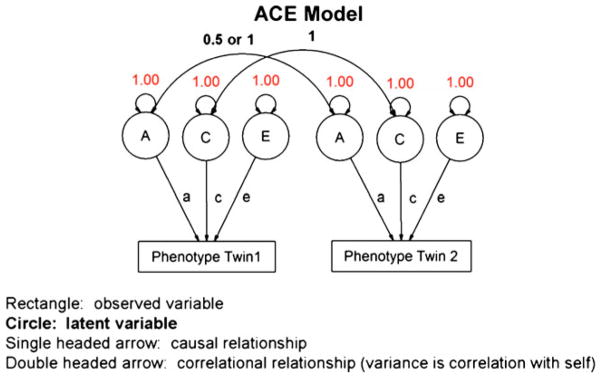
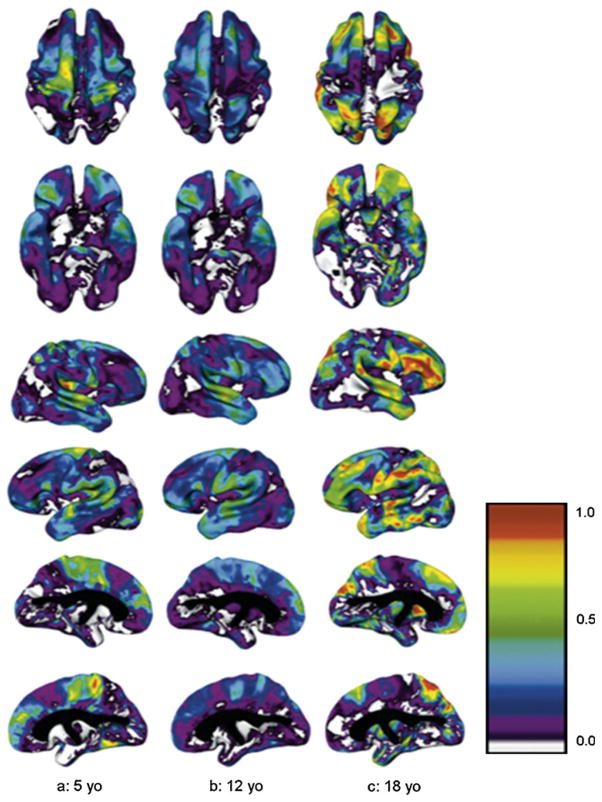
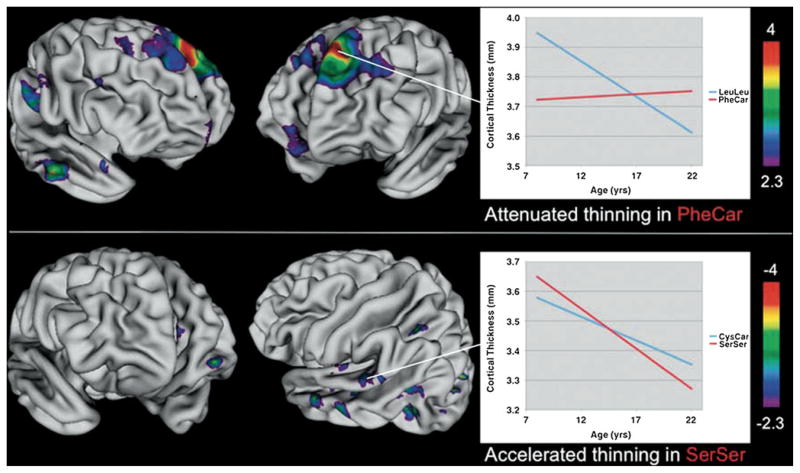
Magnetic resonance imaging studies have begun to map effects of genetic variation on trajectories of brain development. Longitudinal studies of children and adolescents demonstrate a general pattern of childhood peaks of gray matter followed by adolescent declines, functional and structural increases in connectivity and integrative processing, and a changing balance between limbic/subcortical and frontal lobe functions, which extends well into young adulthood. Twin studies have demonstrated that genetic factors are responsible for a significant amount of variation in pediatric brain morphometry. Longitudinal studies have shown specific genetic polymorphisms affect rates of cortical changes associated with maturation. Although over-interpretation and premature application of neuroimaging findings for diagnostic purposes remains a risk, converging data from multiple imaging modalities is beginning to elucidate the influences of genetic factors on brain development and implications of maturational changes for cognition, emotion, and behavior.
Figures
References
-
- Baare WF, Hulshoff Pol HE, Boomsma DI, Posthuma D, de Geus EJ, Schnack HG, et al. Quantitative genetic modeling of variation in human brain morphology. Cerebral Cortex. 2001;11(9):816–824. - PubMed
-
- Berlucchi G. Interhemispheric asymmetries in visual discrimination: a neurophysiological hypothesisDocumenta ophthalmologica. Proceedings series. 1981;30:87–93.
-
- Braitenberg V. Brain size and number of neurons: an exercise in synthetic neuroanatomy. Journal of Computational Neuroscience. 2001;10(1):71–77. - PubMed
Publication types
MeSH terms
Grants and funding
LinkOut - more resources
Full Text Sources
Medical
