


Dipyridamole reverses peripheral ischemia and induces angiogenesis in the Db/Db diabetic mouse hind-limb model by decreasing oxidative stress
- PMID: 21070849
- PMCID: PMC4413947
- DOI: 10.1016/j.freeradbiomed.2010.10.714
Dipyridamole reverses peripheral ischemia and induces angiogenesis in the Db/Db diabetic mouse hind-limb model by decreasing oxidative stress
Abstract
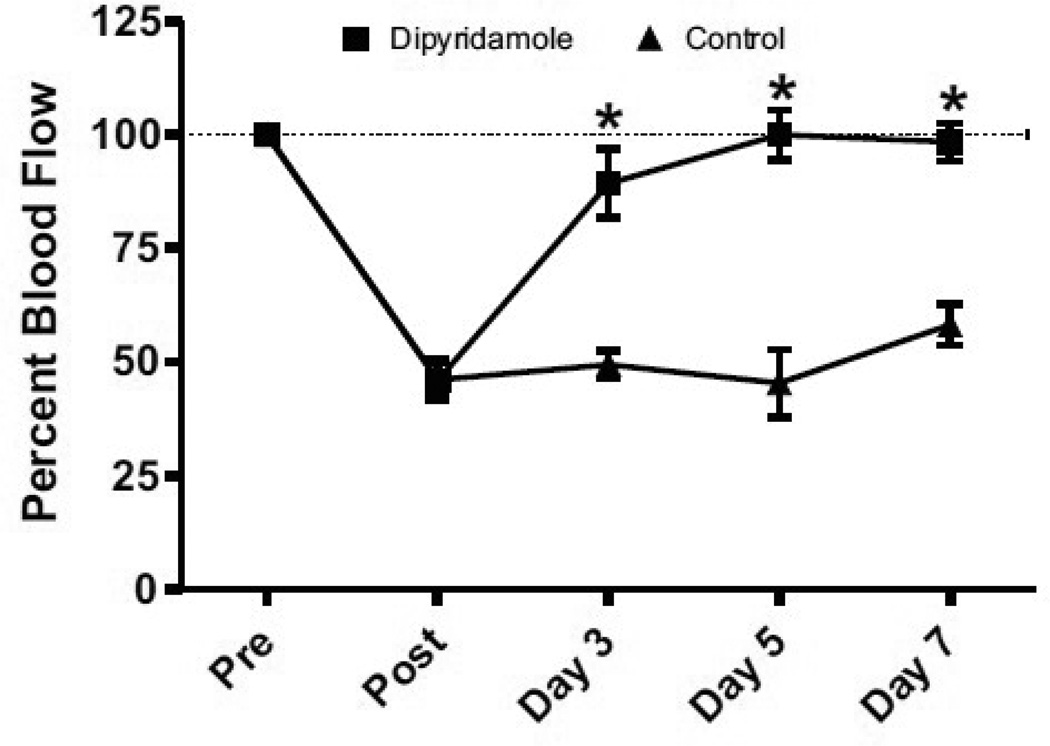
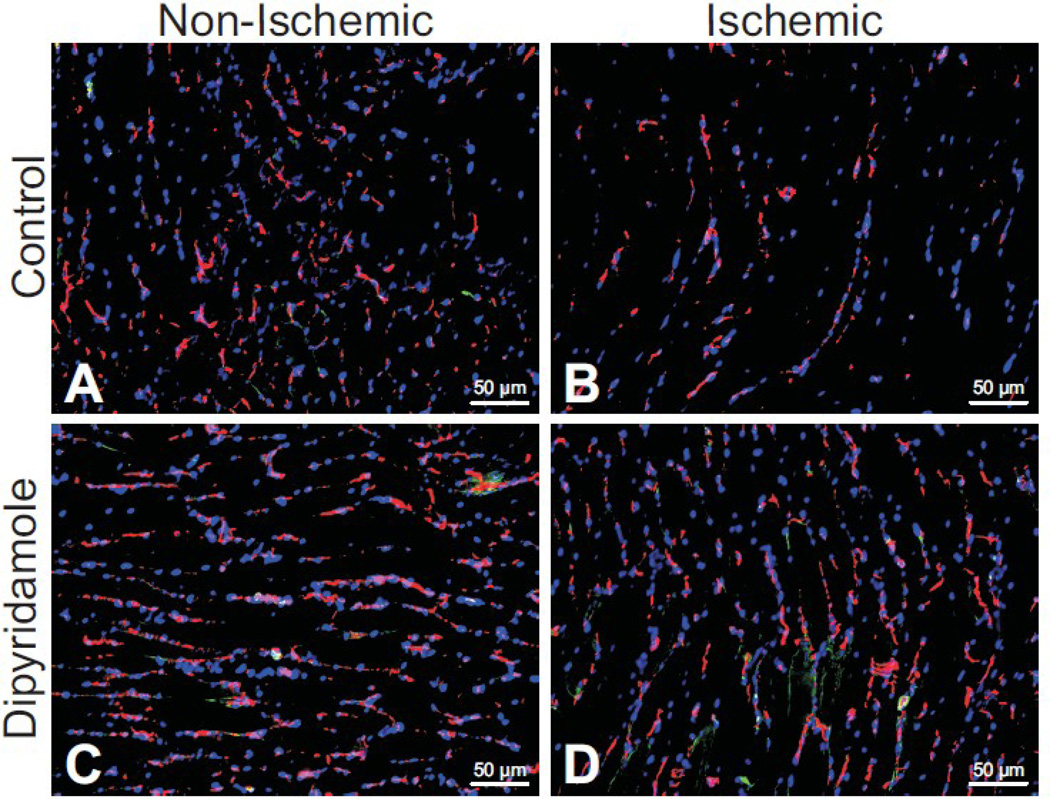
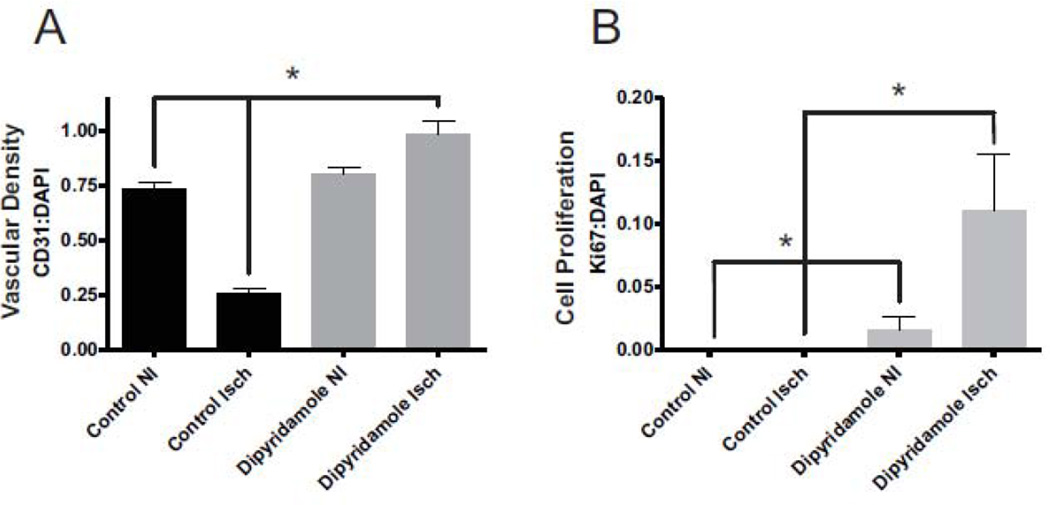
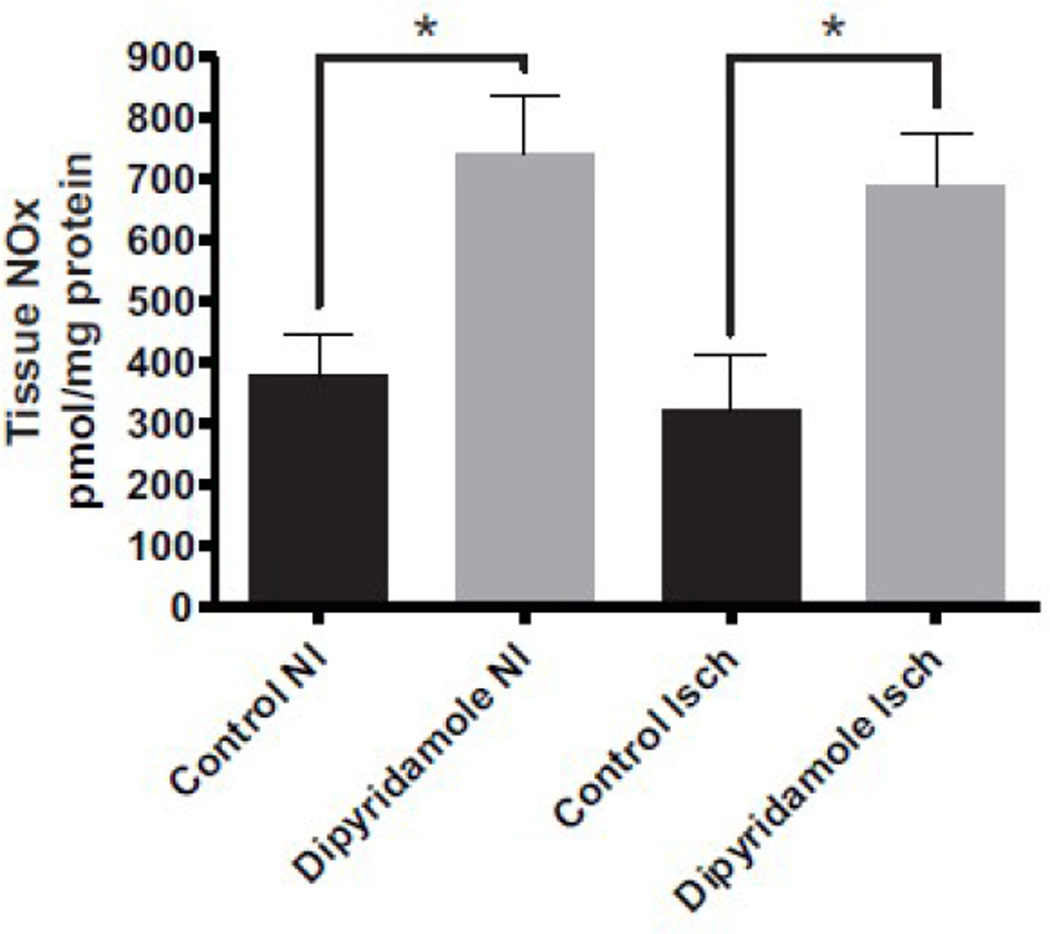
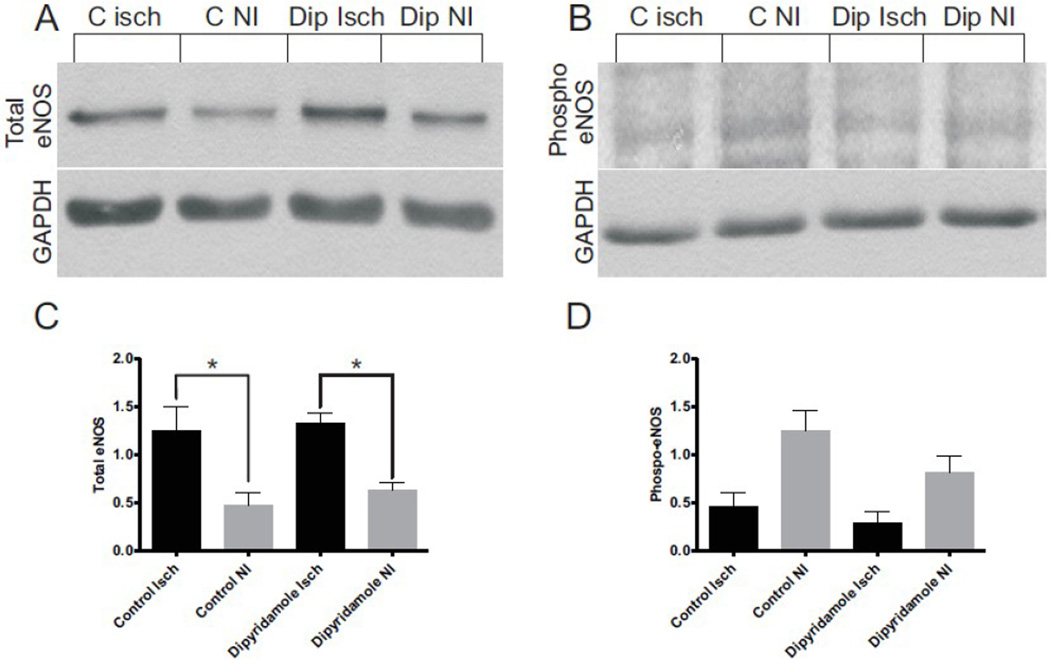
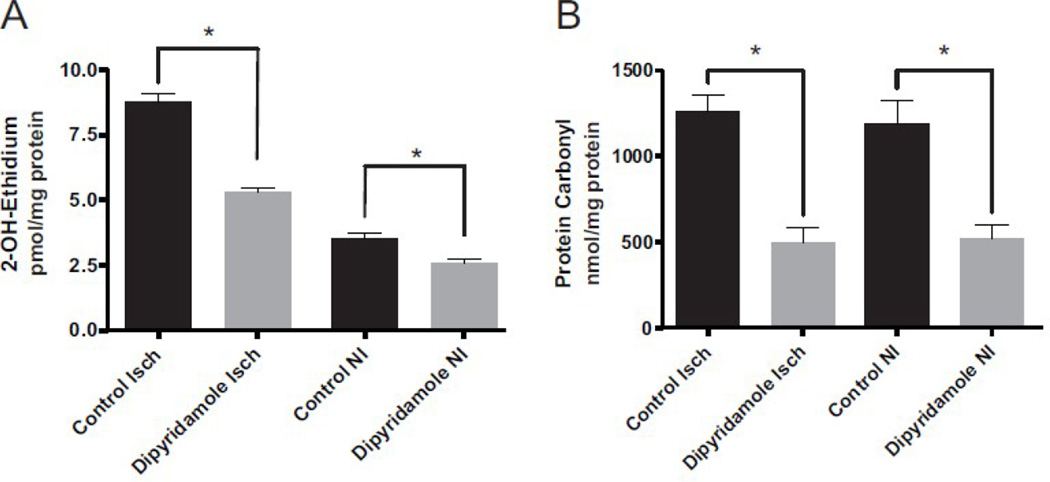
Dipyridamole anti-platelet therapy has previously been suggested to ameliorate chronic tissue ischemia in healthy animals. However, it is not known if dipyridamole therapy represents a viable approach to alleviating chronic peripheral tissue ischemia associated with type 2 diabetes. Here we examine the hypothesis that dipyridamole treatment restores reperfusion of chronic hind-limb ischemia in the murine B6.BKS-Lepr(db/db) diabetic model. Dipyridamole therapy quickly rectified ischemic hind-limb blood flow to near preligation levels within 3 days of the start of therapy. Restoration of ischemic tissue blood flow was associated with increased vascular density and endothelial cell proliferation observed only in ischemic limbs. Dipyridamole significantly increased total nitric oxide metabolite levels in tissue, which were not associated with changes in endothelial NO synthase expression or phosphorylation. Interestingly, dipyridamole therapy significantly decreased ischemic tissue superoxide and protein carbonyl levels, identifying a dominant antioxidant mechanistic response. Dipyridamole therapy also moderately reduced diabetic hyperglycemia and attenuated development of dyslipidemia over time. Together, these data reveal that dipyridamole therapy is an effective modality for the treatment of chronic tissue ischemia during diabetes and highlights the importance of dipyridamole antioxidant activity in restoring tissue NO bioavailability during diabetes.
Copyright © 2010 Elsevier Inc. All rights reserved.
Figures
Similar articles
-
Recovery from hind limb ischemia is less effective in type 2 than in type 1 diabetic mice: roles of endothelial nitric oxide synthase and endothelial progenitor cells.J Vasc Surg. 2009 Dec;50(6):1412-22. doi: 10.1016/j.jvs.2009.08.007. Epub 2009 Oct 17. J Vasc Surg. 2009. PMID: 19837544 Free PMC article.
-
Type-2 diabetic Lepr(db/db) mice show a defective microvascular phenotype under basal conditions and an impaired response to angiogenesis gene therapy in the setting of limb ischemia.Front Biosci. 2007 Jan 1;12:2003-12. doi: 10.2741/2205. Front Biosci. 2007. PMID: 17127438
-
Dipyridamole enhances ischaemia-induced arteriogenesis through an endocrine nitrite/nitric oxide-dependent pathway.Cardiovasc Res. 2010 Mar 1;85(4):661-70. doi: 10.1093/cvr/cvq002. Epub 2010 Jan 8. Cardiovasc Res. 2010. PMID: 20061326 Free PMC article.
-
Effect of Diallyl Trisulfide on Ischemic Tissue Injury and Revascularization in a Diabetic Mouse Model.J Cardiovasc Pharmacol. 2018 Jun;71(6):367-374. doi: 10.1097/FJC.0000000000000579. J Cardiovasc Pharmacol. 2018. PMID: 29642134 Free PMC article.
-
Reperfusion of chronic tissue ischemia: nitrite and dipyridamole regulation of innate immune responses.Ann N Y Acad Sci. 2010 Oct;1207:83-8. doi: 10.1111/j.1749-6632.2010.05737.x. Ann N Y Acad Sci. 2010. PMID: 20955430 Free PMC article. Review.
Cited by
-
Endothelial dysfunction and diabetes: effects on angiogenesis, vascular remodeling, and wound healing.Int J Vasc Med. 2012;2012:918267. doi: 10.1155/2012/918267. Epub 2012 Feb 12. Int J Vasc Med. 2012. PMID: 22611498 Free PMC article.
-
The NO/cGMP/PKG pathway in platelets: The therapeutic potential of PDE5 inhibitors in platelet disorders.J Thromb Haemost. 2022 Nov;20(11):2465-2474. doi: 10.1111/jth.15844. Epub 2022 Aug 21. J Thromb Haemost. 2022. PMID: 35950928 Free PMC article. Review.
-
Nitrite anion therapy protects against chronic ischemic tissue injury in db/db diabetic mice in a NO/VEGF-dependent manner.Diabetes. 2014 Jan;63(1):270-81. doi: 10.2337/db13-0890. Epub 2013 Sep 5. Diabetes. 2014. PMID: 24009258 Free PMC article.
-
Relationships among resistin, adiponectin, and leptin and microvascular complications in patients with type 2 diabetes mellitus.J Int Med Res. 2020 Apr;48(4):300060519870407. doi: 10.1177/0300060519870407. Epub 2019 Dec 31. J Int Med Res. 2020. PMID: 31891278 Free PMC article.
-
High-throughput screening for bioactive molecules using primary cell culture of transgenic zebrafish embryos.Cell Rep. 2012 Sep 27;2(3):695-704. doi: 10.1016/j.celrep.2012.08.015. Epub 2012 Sep 20. Cell Rep. 2012. PMID: 22999940 Free PMC article.
References
-
- Mukherjee D. Peripheral and cerebrovascular atherosclerotic disease in diabetes mellitus. Best Pract Res Clin Endocrinol Metab. 2009;23:335–345. - PubMed
-
- Schaper NC, Nabuurs-Franssen MH, Huijberts MS. Peripheral vascular disease and type 2 diabetes mellitus. Diabetes Metab Res Rev. 2000;16(Suppl 1):S11–S15. - PubMed
-
- Tirziu D, Simons M. Angiogenesis in the human heart: gene and cell therapy. Angiogenesis. 2005;8:241–251. - PubMed
-
- Cao R, Brakenhielm E, Pawliuk R, Wariaro D, Post MJ, Wahlberg E, Leboulch P, Cao Y. Angiogenic synergism, vascular stability and improvement of hind-limb ischemia by a combination of PDGF-BB and FGF-2. Nat Med. 2003;9:604–613. - PubMed
Publication types
MeSH terms
Substances
Grants and funding
LinkOut - more resources
Full Text Sources
Miscellaneous
