


Leukocytes and oxidative stress: dilemma for sperm function and male fertility
- PMID: 21076433
- PMCID: PMC3739401
- DOI: 10.1038/aja.2010.76
Leukocytes and oxidative stress: dilemma for sperm function and male fertility
Abstract
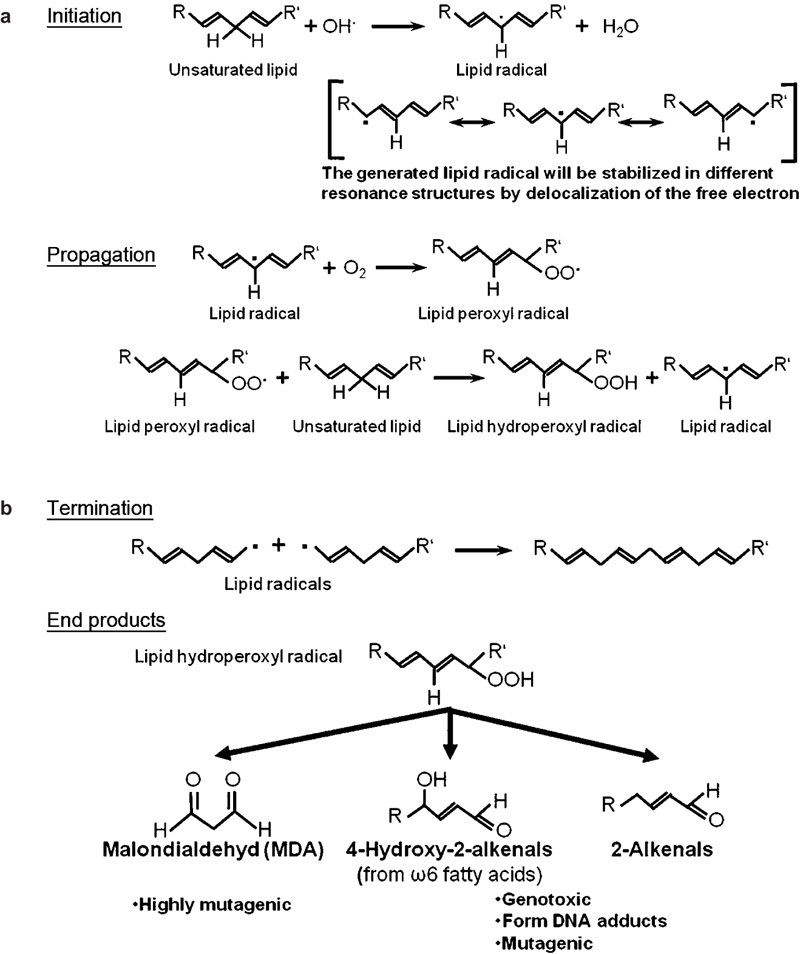
Spermatozoa are constantly exposed to the interphase between oxidation through high amounts of reactive oxygen species (ROS) and leukocytes, and reduction by means of scavengers and antioxidants. Considering the very special functions as being the only cells with such high polarization and exerting their functions outside the body, even in a different individual, the female genital tract, the membranes of these cells are chemically composed of an extraordinary high amount of polyunsaturated fatty acids. This in turn, renders them very susceptible to oxidative stress, which is defined as an imbalance between oxidation and reduction towards the oxidative status. As a result, ROS deriving from both leukocytes and the male germ cells themselves cause a process called 'lipid peroxidation' and other damages to the sperm cell. On the other hand, a certain limited amount of ROS is essential in order to trigger vital physiological reactions in cells, including capacitation or the acrosome reaction in sperm. The treatment of patients with antioxidants to compensate the oxidative status caused by oxidative stress is highly debated as uncontrolled antioxidative treatment might derail the system towards the reduced status, which is also unphysiological and can even induce cancer. This paradox is called the 'antioxidant paradox'. Therefore, a proper andrological diagnostic work-up, including the evaluation of ROS levels and the antioxidant capacity of the semen, has to be carried out beforehand, aimed at keeping the fine balance between oxidation and scavenging of vital amounts of ROS.
Figures
References
-
- MacLeod J. The role of oxygen in the metabolism and motility of human spermatozoa. Am J Physiol. 1943;138:512–8.
-
- Aitken RJ, Krausz C. Oxidative stress, DNA damage and the Y chromosome. Reproduction. 2001;122:497–506. - PubMed
-
- Lewis SE, Aitken RJ. DNA damage to spermatozoa has impacts on fertilization and pregnancy. Cell Tissue Res. 2005;322:33–41. - PubMed
-
- Zini A, Boman JM, Belzile E, Ciampi A. Sperm DNA damage is associated with an increased risk of pregnancy loss after IVF and ICSI: systematic review and meta-analysis. Hum Reprod. 2008;23:2663–8. - PubMed
-
- Aitken RJ, Clarkson JS. Cellular basis of defective sperm function and its association with the genesis of reactive oxygen species by human spermatozoa. J Reprod Fertil. 1987;81:459–69. - PubMed
MeSH terms
Substances
LinkOut - more resources
Full Text Sources
Other Literature Sources
Research Materials
