


Verification of IMRT dose calculations using AAA and PBC algorithms in dose buildup regions
- PMID: 21081894
- PMCID: PMC5720424
- DOI: 10.1120/jacmp.v11i4.3351
Verification of IMRT dose calculations using AAA and PBC algorithms in dose buildup regions
Abstract
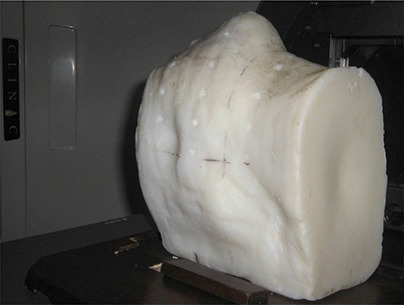
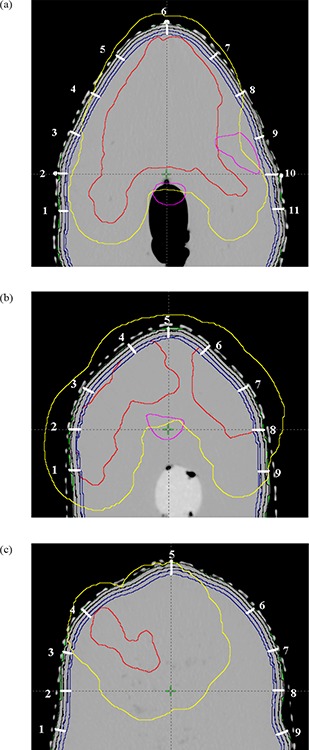
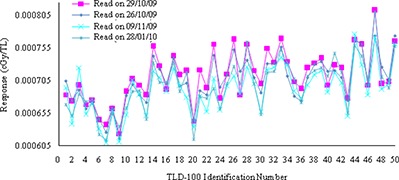
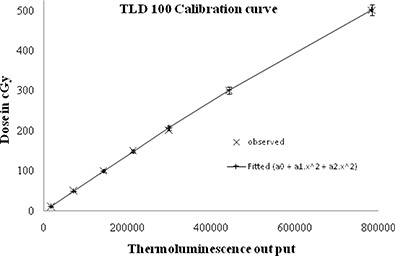
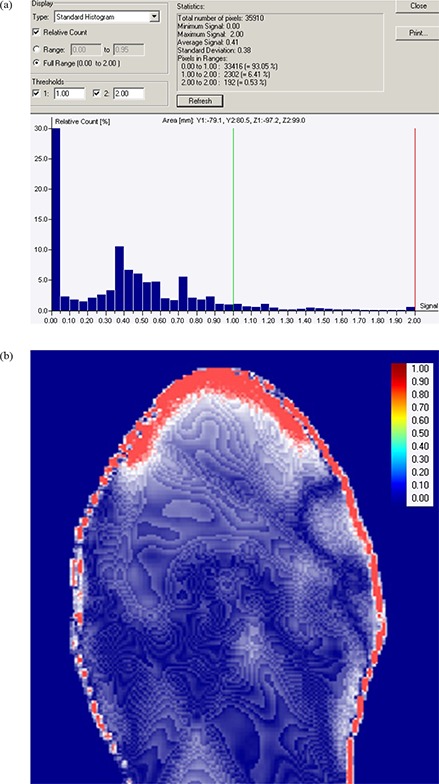
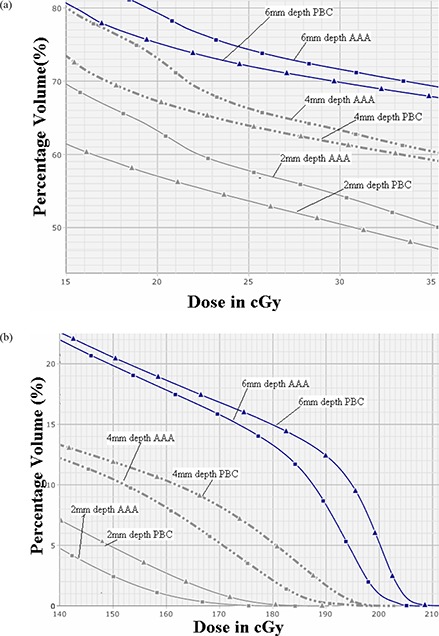
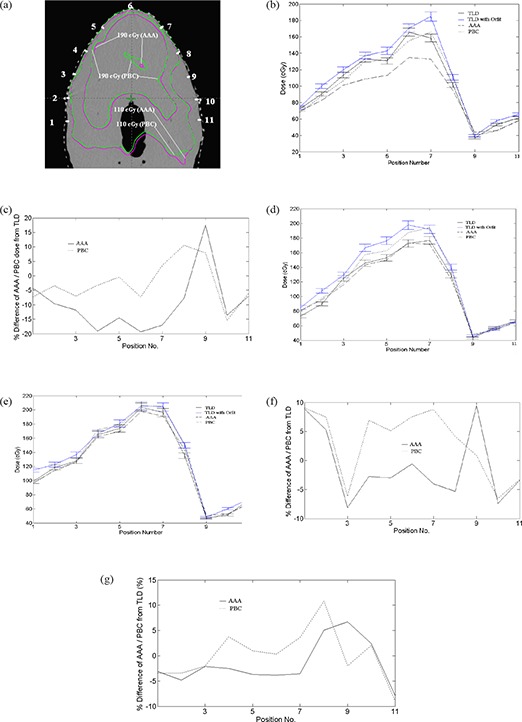
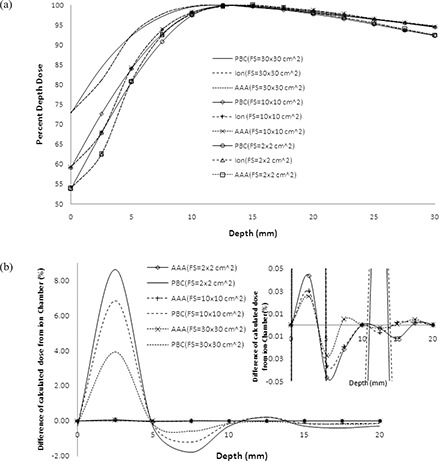
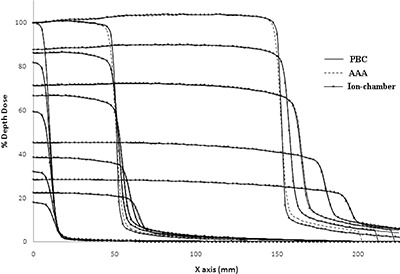
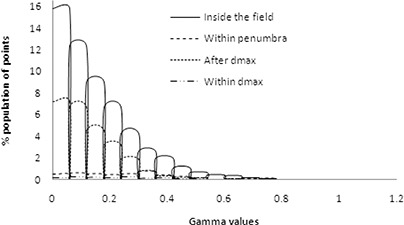
The purpose of this comparative study was to test the accuracy of anisotropic analytical algorithm (AAA) and pencil beam convolution (PBC) algorithms of Eclipse treatment planning system (TPS) for dose calculations in the low- and high-dose buildup regions. AAA and PBC algorithms were used to create two intensity-modulated radiotherapy (IMRT) plans of the same optimal fluence generated from a clinically simulated oropharynx case in an in-house fabricated head and neck phantom. The TPS computed buildup doses were compared with the corresponding measured doses in the phantom using thermoluminescence dosimeters (TLD 100). Analysis of dose distribution calculated using PBC and AAA shows an increase in gamma value in the dose buildup region indicating large dose deviation. For the surface areas of 1, 50 and 100 cm2, PBC overestimates doses as compared to AAA calculated value in the range of 1.34%-3.62% at 0.6 cm depth, 1.74%-2.96% at 0.4 cm depth, and 1.96%-4.06% at 0.2 cm depth, respectively. In high-dose buildup region, AAA calculated doses were lower by an average of -7.56% (SD = 4.73%), while PBC was overestimated by 3.75% (SD = 5.70%) as compared to TLD measured doses at 0.2 cm depth. However, at 0.4 and 0.6 cm depth, PBC overestimated TLD measured doses by 5.84% (SD = 4.38%) and 2.40% (SD = 4.63%), respectively, while AAA underestimated the TLD measured doses by -0.82% (SD = 4.24%) and -1.10% (SD = 4.14%) at the same respective depth. In low-dose buildup region, both AAA and PBC overestimated the TLD measured doses at all depths except -2.05% (SD = 10.21%) by AAA at 0.2 cm depth. The differences between AAA and PBC at all depths were statistically significant (p < 0.05) in high-dose buildup region, whereas it is not statistically significant in low-dose buildup region. In conclusion, AAA calculated the dose more accurately than PBC in clinically important high-dose buildup region at 0.4 cm and 0.6 cm depths. The use of an orfit cast increases the dose buildup effect, and this buildup effect decreases with depth.
Figures
References
-
- Sjögren R, Karlsson M. Electron contamination in clinical high energy photon beams. Med Phys. 1996;23(11):1873–81. - PubMed
-
- Hounsell AR, Wilkinson JM. Electron contamination and build‐up doses in conformal radiotherapy fields. Phys Med Biol. 1999;44(1):43–55. - PubMed
-
- Yang J, Li JS, Qin L, Xiong W, Ma CM. Modeling of electron contamination in clinical photon beams for Monte Carlo dose calculation. Phys Med Biol. 2004;49(12):2657–73. - PubMed
-
- Zhu TC, Palta JR. Electron contamination in 8 and 18 MV photon beams. Med Phys. 1998;25(1):12–19. - PubMed
-
- Lee CH, Chan KK. Electron contamination from the lead cutout used in kilovoltage radiotherapy. Phys Med Biol. 2000;45(1):1–8. - PubMed
MeSH terms
LinkOut - more resources
Full Text Sources
Miscellaneous
