


Metabolic footprint of diabetes: a multiplatform metabolomics study in an epidemiological setting
- PMID: 21085649
- PMCID: PMC2978704
- DOI: 10.1371/journal.pone.0013953
Metabolic footprint of diabetes: a multiplatform metabolomics study in an epidemiological setting
Abstract
Background: Metabolomics is the rapidly evolving field of the comprehensive measurement of ideally all endogenous metabolites in a biological fluid. However, no single analytic technique covers the entire spectrum of the human metabolome. Here we present results from a multiplatform study, in which we investigate what kind of results can presently be obtained in the field of diabetes research when combining metabolomics data collected on a complementary set of analytical platforms in the framework of an epidemiological study.
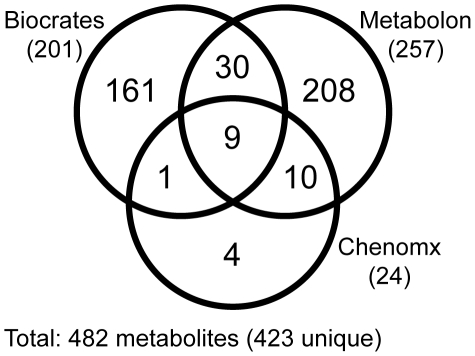
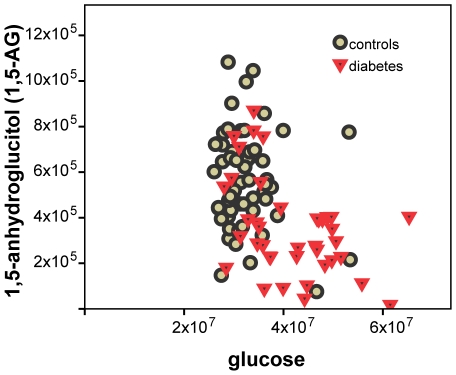
Methodology/principal findings: 40 individuals with self-reported diabetes and 60 controls (male, over 54 years) were randomly selected from the participants of the population-based KORA (Cooperative Health Research in the Region of Augsburg) study, representing an extensively phenotyped sample of the general German population. Concentrations of over 420 unique small molecules were determined in overnight-fasting blood using three different techniques, covering nuclear magnetic resonance and tandem mass spectrometry. Known biomarkers of diabetes could be replicated by this multiple metabolomic platform approach, including sugar metabolites (1,5-anhydroglucoitol), ketone bodies (3-hydroxybutyrate), and branched chain amino acids. In some cases, diabetes-related medication can be detected (pioglitazone, salicylic acid).
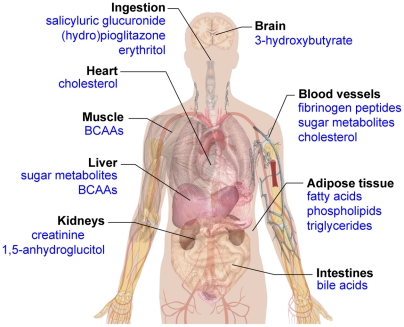
Conclusions/significance: Our study depicts the promising potential of metabolomics in diabetes research by identification of a series of known and also novel, deregulated metabolites that associate with diabetes. Key observations include perturbations of metabolic pathways linked to kidney dysfunction (3-indoxyl sulfate), lipid metabolism (glycerophospholipids, free fatty acids), and interaction with the gut microflora (bile acids). Our study suggests that metabolic markers hold the potential to detect diabetes-related complications already under sub-clinical conditions in the general population.
Conflict of interest statement
Figures
References
-
- Leahy JL. Pathogenesis of type 2 diabetes mellitus. Arch Med Res. 2005;36:197–209. - PubMed
-
- Golay A, Felber JP, Jequier E, DeFronzo RA, Ferrannini E. Metabolic basis of obesity and noninsulin-dependent diabetes mellitus. Diabetes Metab Rev. 1988;4:727–747. - PubMed
-
- Fujimoto WY. The importance of insulin resistance in the pathogenesis of type 2 diabetes mellitus. Am J Med. 2000;108(Suppl 6a):9S–14S. - PubMed
-
- Fiehn O. Metabolomics–the link between genotypes and phenotypes. Plant Mol Biol. 2002;48:155–171. - PubMed
Publication types
MeSH terms
Substances
LinkOut - more resources
Full Text Sources
Other Literature Sources
Medical
