


An epidemiological perspective on the future of direct-to-consumer personal genome testing
- PMID: 21092344
- PMCID: PMC2990732
- DOI: 10.1186/2041-2223-1-10
An epidemiological perspective on the future of direct-to-consumer personal genome testing
Abstract
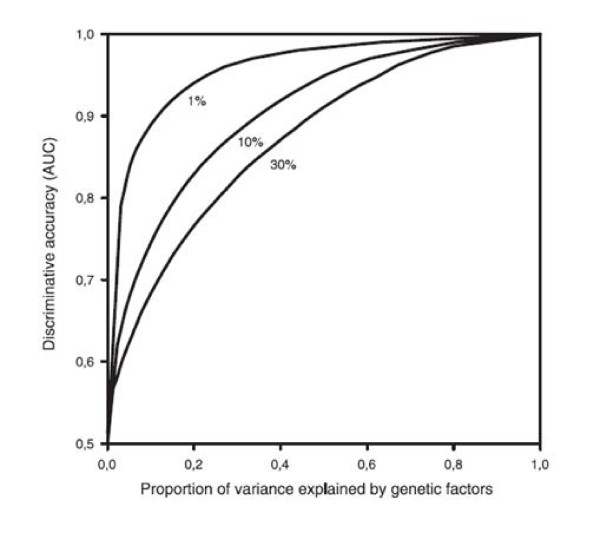
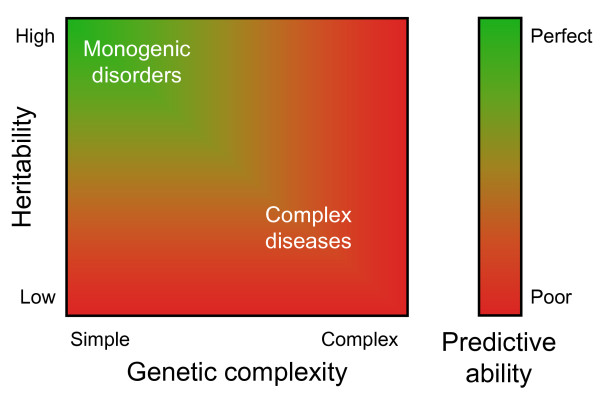
Personal genome testing is offered via the internet directly to consumers. Most tests that are currently offered use data from genome-wide scans to predict risks for multiple common diseases and traits. The utility of these tests is limited, predominantly because they lack predictive ability and clear benefits for disease prevention that are specific for genetic risk groups. In the near future, personal genome tests will likely be based on whole genome sequencing, but will these technological advances increase the utility of personal genome testing? Whole genome sequencing theoretically provides information about the risks of both monogenic and complex diseases, but the practical utility remains to be demonstrated. The utility of testing depends on the predictive ability of the test, the likelihood of actionable test results, and the options available for the reduction of risks. For monogenic diseases, the likelihood of known mutations will be extremely low in the general population and it will be a challenge to recognize new causal variants among all rare variants that are found using sequencing. For complex diseases, the predictive ability of genetic tests will be mainly restricted by the heritability of the disease, but also by the genetic complexity of the disease etiology, which determines the extent to which the heritability can be understood. Given that numerous genetic and non-genetic risk factors interact in the causation of complex diseases, the predictive ability of genetic models will likely remain modest. Personal genome testing will have minimal benefits for individual consumers unless major breakthroughs are made in the near future.
Figures
References
LinkOut - more resources
Full Text Sources
