


CCR2-antagonist prophylaxis reduces pulmonary immune pathology and markedly improves survival during influenza infection
- PMID: 21098218
- PMCID: PMC3723340
- DOI: 10.4049/jimmunol.1001002
CCR2-antagonist prophylaxis reduces pulmonary immune pathology and markedly improves survival during influenza infection
Abstract
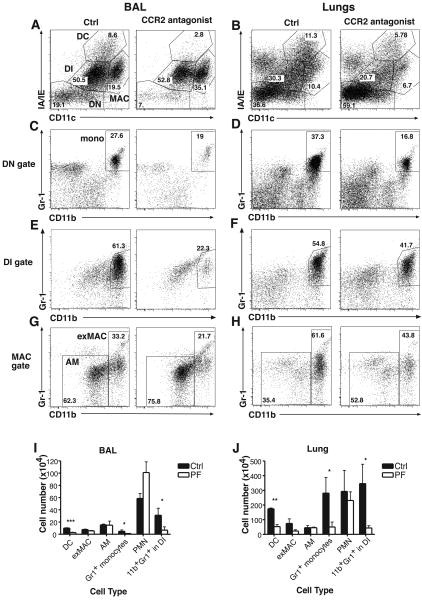
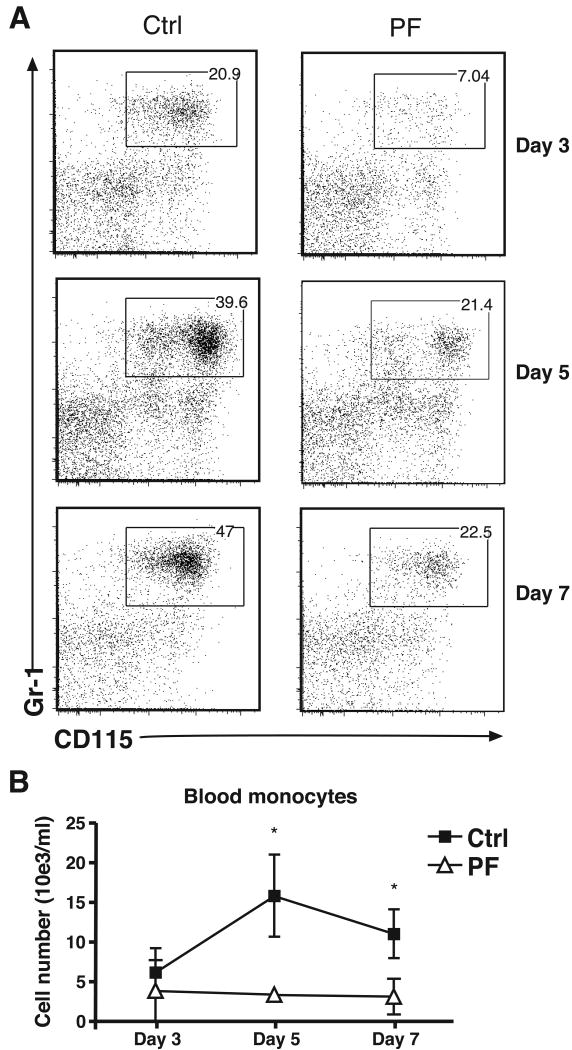
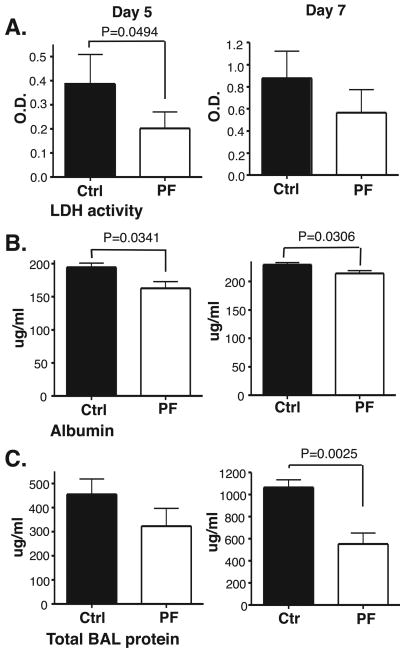
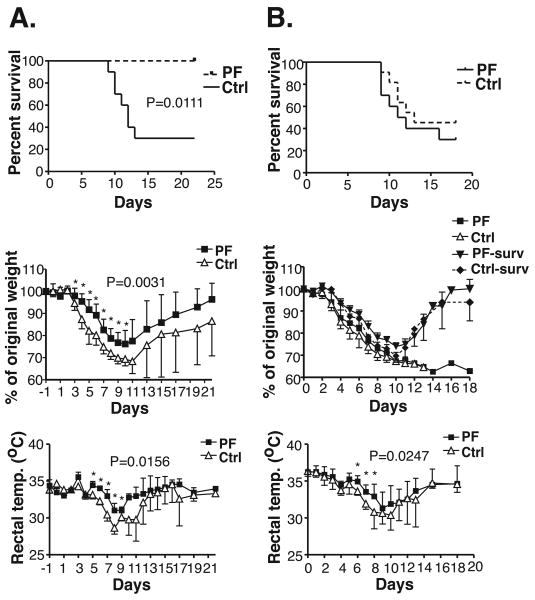
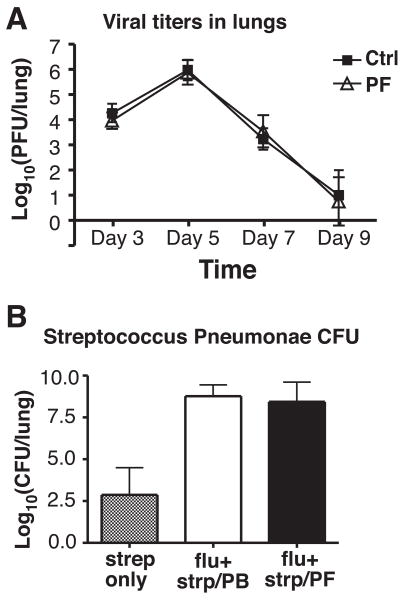
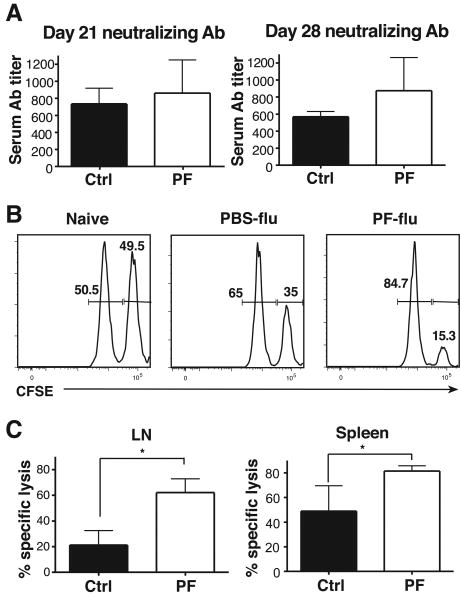
Infection with influenza virus induces severe pulmonary immune pathology that leads to substantial human mortality. Although antiviral therapy is effective in preventing infection, no current therapy can prevent or treat influenza-induced lung injury. Previously, we reported that influenza-induced pulmonary immune pathology is mediated by inflammatory monocytes trafficking to virus-infected lungs via CCR2 and that influenza-induced morbidity and mortality are reduced in CCR2-deficient mice. In this study, we evaluated the effect of pharmacologically blocking CCR2 with a small molecule inhibitor (PF-04178903) on the entry of monocytes into lungs and subsequent morbidity and mortality in influenza-infected mice. Subcutaneous injection of mice with PF-04178903 was initiated 1 d prior to infection with influenza strain H1N1A/Puerto Rico/8/34. Compared with vehicle controls, PF-04178903-treated mice demonstrated a marked reduction in mortality (75 versus 0%) and had significant reductions in weight loss and hypothermia during subsequent influenza infection. Drug-treated mice also displayed significant reductions in bronchoalveolar lavage fluid total protein, albumin, and lactose dehydrogenase activity. Administration of PF-04178903 did not alter viral titers, severity of secondary bacteria infections (Streptococcus pneumoniae), or levels of anti-influenza-neutralizing Abs. Drug-treated mice displayed an increase in influenza nucleoprotein-specific cytotoxic T cell activity. Our results suggest that CCR2 antagonists may represent an effective prophylaxis against influenza-induced pulmonary immune pathology.
Figures
References
-
- La Gruta NL, Kedzierska K, Stambas J, Doherty PC. A question of selfpreservation: immunopathology in influenza virus infection. Immunol Cell Biol. 2007;85:85–92. - PubMed
-
- Doherty PC, Turner SJ, Webby RG, Thomas PG. Influenza and the challenge for immunology. Nat Immunol. 2006;7:449–455. - PubMed
-
- Patterson S. The pathology of influenza in France. The medical journal of Australia. 1920;1
-
- de Jong MD, Simmons CP, Thanh TT, Hien VM, Smith GJ, Chau TN, Hoang DM, Chau NV, Khanh TH, Dong VC, Qui PT, Cam BV, Ha do Q, Guan Y, Peiris JS, Chinh NT, Hien TT, Farrar J. Fatal outcome of human influenza A (H5N1) is associated with high viral load and hypercytokinemia. Nat Med. 2006;12:1203–1207. - PMC - PubMed
Publication types
MeSH terms
Substances
Grants and funding
LinkOut - more resources
Full Text Sources
Other Literature Sources
Molecular Biology Databases
