


Large-scale in silico modeling of metabolic interactions between cell types in the human brain
- PMID: 21102456
- PMCID: PMC3140076
- DOI: 10.1038/nbt.1711
Large-scale in silico modeling of metabolic interactions between cell types in the human brain
Abstract
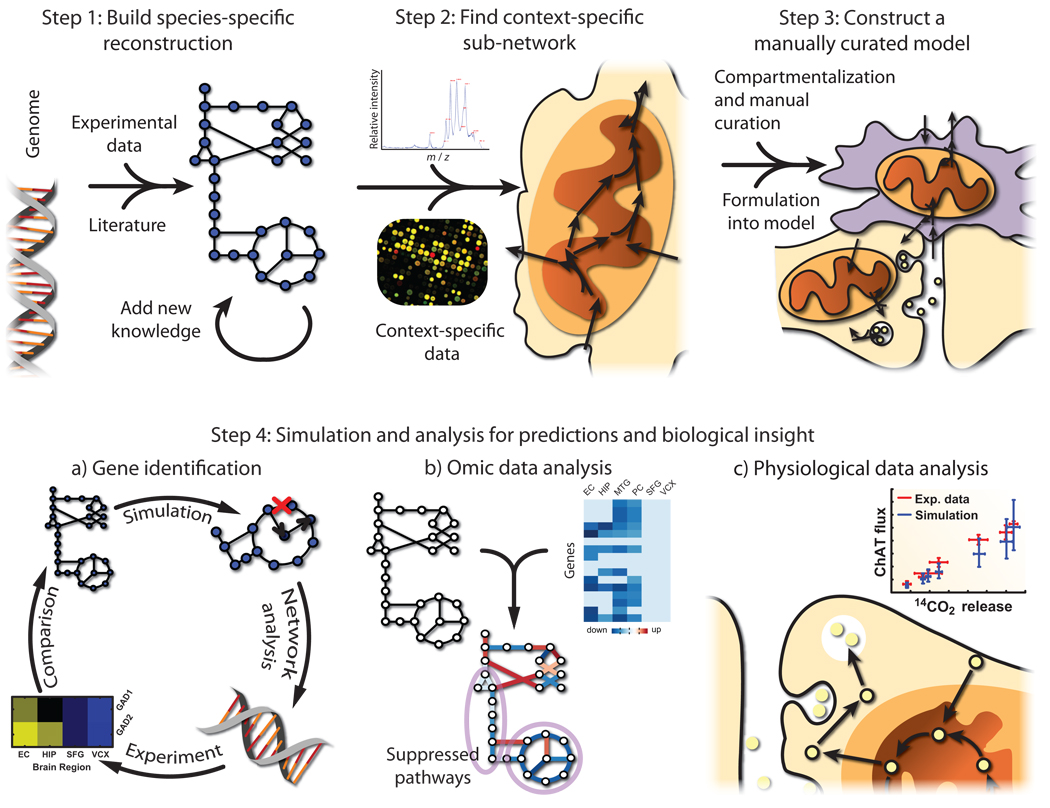
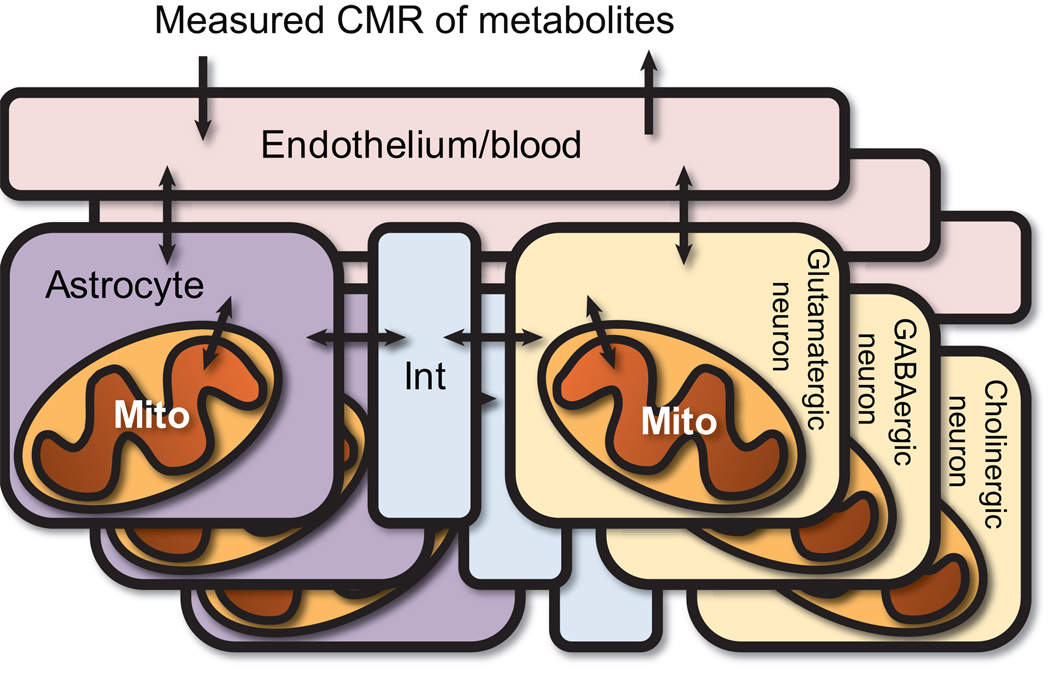
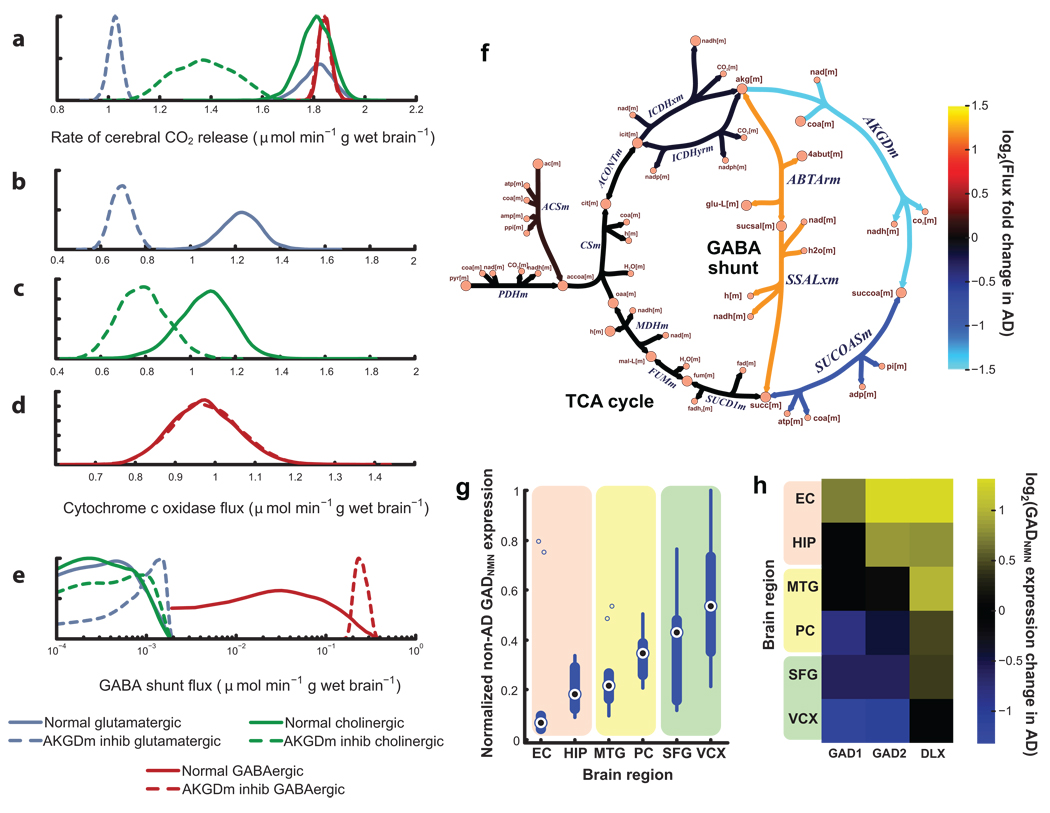
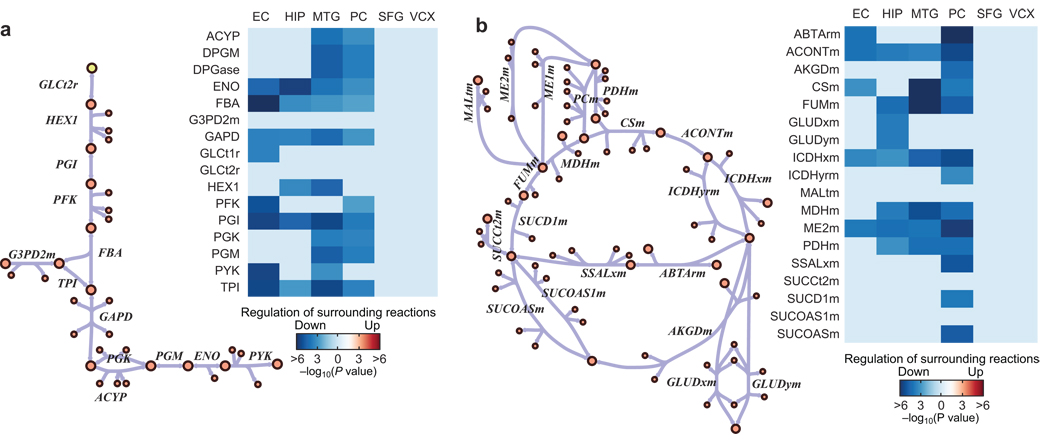
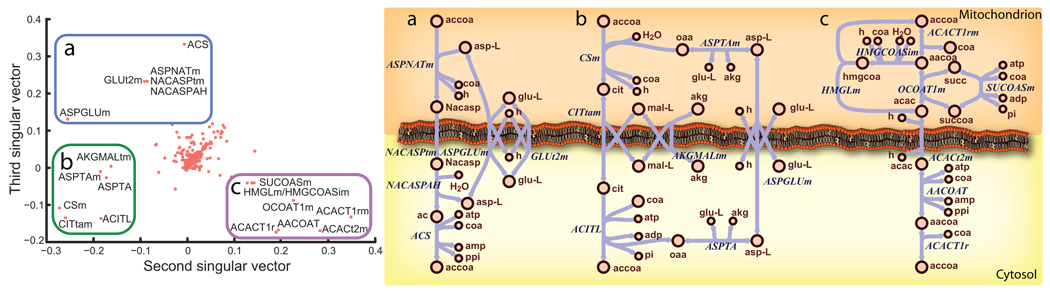
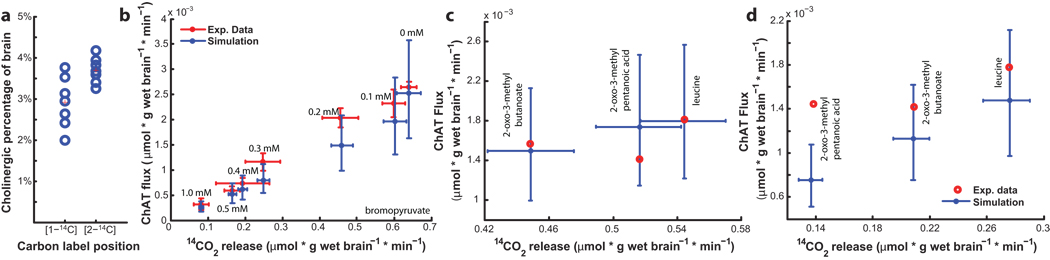
Metabolic interactions between multiple cell types are difficult to model using existing approaches. Here we present a workflow that integrates gene expression data, proteomics data and literature-based manual curation to model human metabolism within and between different types of cells. Transport reactions are used to account for the transfer of metabolites between models of different cell types via the interstitial fluid. We apply the method to create models of brain energy metabolism that recapitulate metabolic interactions between astrocytes and various neuron types relevant to Alzheimer's disease. Analysis of the models identifies genes and pathways that may explain observed experimental phenomena, including the differential effects of the disease on cell types and regions of the brain. Constraint-based modeling can thus contribute to the study and analysis of multicellular metabolic processes in the human tissue microenvironment and provide detailed mechanistic insight into high-throughput data analysis.
Figures
References
-
- Breitling R, Vitkup D, Barrett MP. New surveyor tools for charting microbial metabolic maps. Nat. Rev. Microbiol. 2008;6:156–161. - PubMed
-
- Lewis NE, Jamshidi N, Thiele I, Palsson BØ. Encyclopedia of Complexity and Systems Science. Vol. 5535. New York: Springer; 2009.
Publication types
MeSH terms
Substances
Grants and funding
LinkOut - more resources
Full Text Sources
