


Role of high tibial osteotomy in chronic injuries of posterior cruciate ligament and posterolateral corner
- PMID: 21107635
- PMCID: PMC3052423
- DOI: 10.1007/s10195-010-0120-0
Role of high tibial osteotomy in chronic injuries of posterior cruciate ligament and posterolateral corner
Abstract
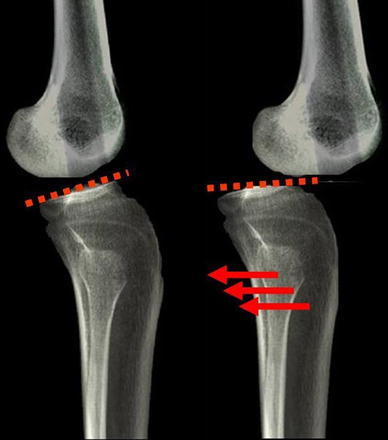
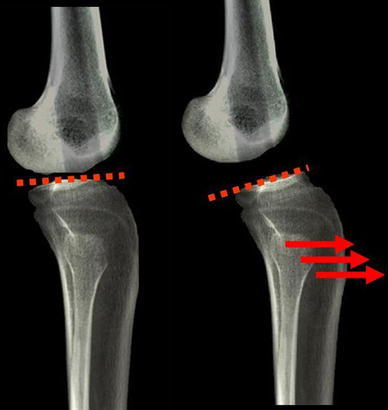
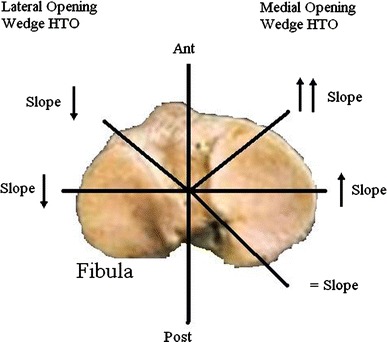
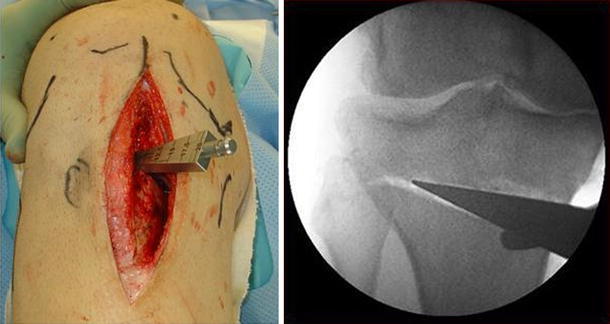
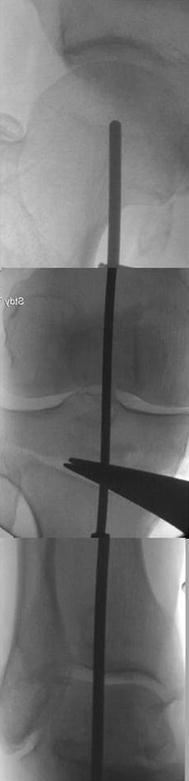
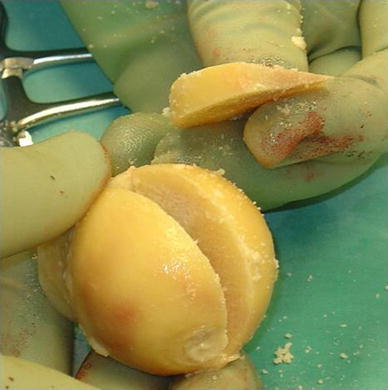
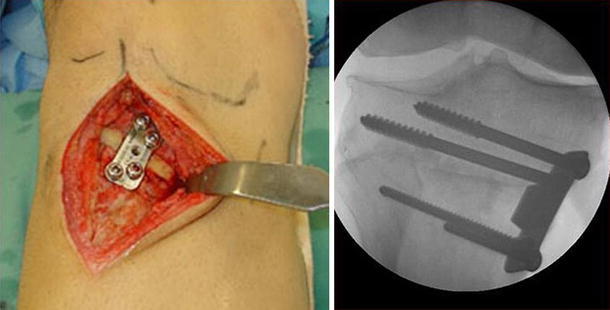
High tibial osteotomy (HTO) is a surgical procedure used to change the mechanical weight-bearing axis and alter the loads carried through the knee. Conventional indications for HTO are medial compartment osteoarthritis and varus malalignment of the knee causing pain and dysfunction. Traditionally, knee instability associated with varus thrust has been considered a contraindication. However, today the indications include patients with chronic ligament deficiencies and malalignment, because an HTO procedure can change not only the coronal but also the sagittal plane of the knee. The sagittal plane has generally been ignored in HTO literature, but its modification has a significant impact on biomechanics and joint stability. Indeed, decreased posterior tibial slope causes posterior tibia translation and helps the anterior cruciate ligament (ACL)-deficient knee. Vice versa, increased tibial slope causes anterior tibia translation and helps the posterior cruciate ligament (PCL)-deficient knee. A review of literature shows that soft tissue procedures alone are often unsatisfactory for chronic posterior instability if alignment is not corrected. Since limb alignment is the most important factor to consider in lower limb reconstructive surgery, diagnosis and treatment of limb malalignment should not be ignored in management of chronic ligamentous instabilities. This paper reviews the effects of chronic posterior instability and tibial slope alteration on knee and soft tissues, in addition to planning and surgical technique for chronic posterior and posterolateral instability with HTO.
Figures
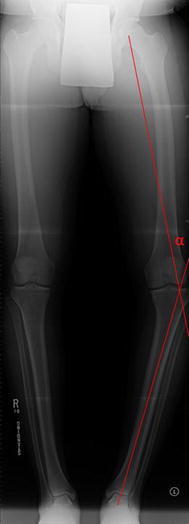
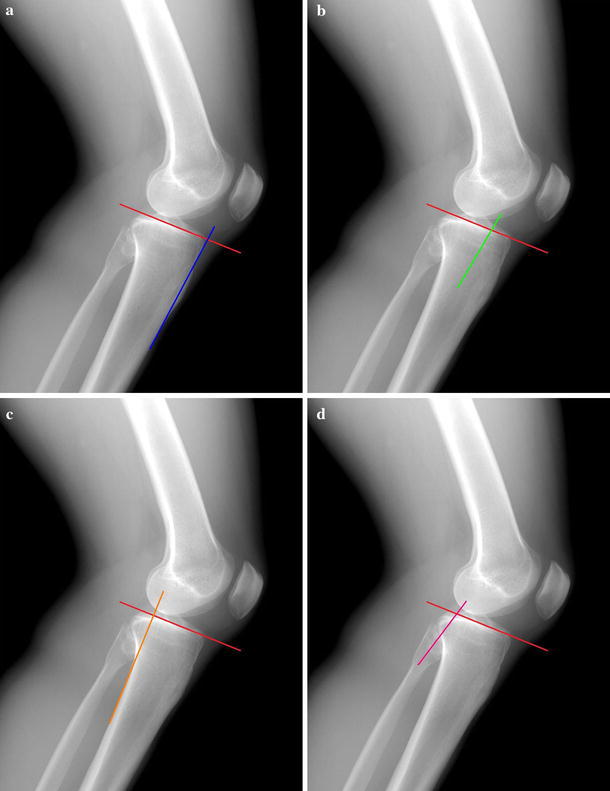
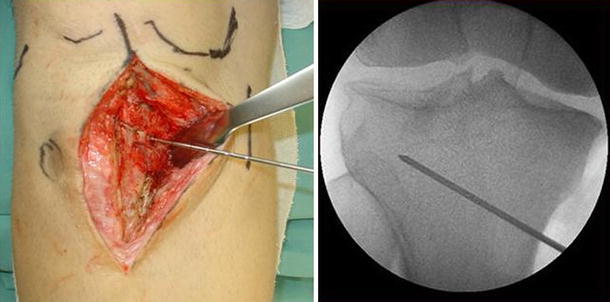
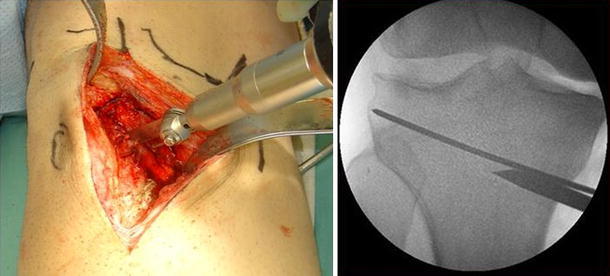
References
-
- Fujisawa Y, Masuhara K, Shiomi S. The effect of high tibial osteotomy on osteoarthritis of the knee. An arthroscopic study of 54 knee joints. Orthop Clin North Am. 1979;10:585–608. - PubMed
-
- Odenbring S, Egund N, Lindstrand A, Lohmander LS, Willen H. Cartilage regeneration after proximal tibial osteotomy for medial gonarthrosis. An arthroscopic, roentgenographic, and histologic study. Clin Orthop Relat Res. 1992;277:210–216. - PubMed
-
- Noyes FR, Barber-Westin SD, Rankin M. Meniscal transplantation in symptomatic patients less than 50 years old. J Bone Joint Surg Am. 2004;86:1392–1404. - PubMed
-
- Coventry MB, Ilstrup DM, Wallrichs SL. Proximal tibial osteotomy: a critical long-term study of 87 cases. J Bone Joint Surg Am. 1993;75:196–201. - PubMed
-
- Naudie D, Bourne RB, Rorabeck CH, Bourne TJ. The install award. Survivorship of the high tibial valgus osteotomy. A 10–22 year followup study. Clin Orthop Relat Res. 1999;367:18–27. - PubMed
Publication types
MeSH terms
LinkOut - more resources
Full Text Sources
Other Literature Sources
Medical
