


Discovering natural product modulators to overcome multidrug resistance in cancer chemotherapy
- PMID: 21118092
- PMCID: PMC3337630
- DOI: 10.2174/138920111795163887
Discovering natural product modulators to overcome multidrug resistance in cancer chemotherapy
Abstract
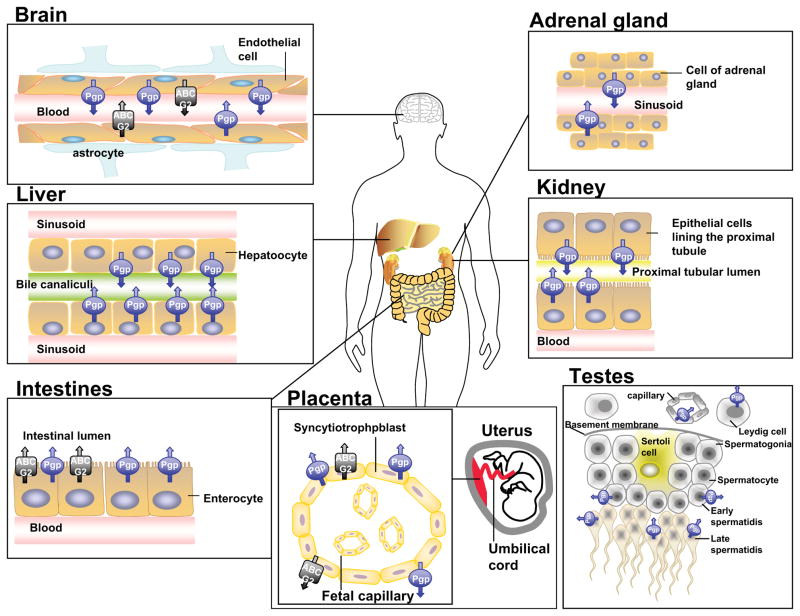
Multidrug resistance caused by the overexpression of ABC drug transporters is a major obstacle in clinical cancer chemotherapy. For several years, it appeared that direct inhibition of ABC transporters would be the cheapest and most efficient way to combat this problem. Unfortunately, progress in finding a potent, selective inhibitor to modulate ABC transporters and restore drug sensitivity in multidrug-resistant cancer cells has been slow and challenging. Candidate drugs should ideally be selective, potent and relatively non-toxic. Many researchers in recent years have turned their attention to utilizing natural products as the building blocks for the development of the next generation of inhibitors, especially after the disappointing results obtained from inhibitors of the first three generations at the clinical trial stage. The first step is to discover natural substances (distinct from the first three generation inhibitors) that are potent, selective and relatively non-toxic in order to be used clinically. Here, we present a brief overview of the prospect of using natural products to modulate the function of ABC drug transporters clinically and their impact on human physiology and pharmacology.
Conflict of interest statement
Figures
References
-
- Gottesman MM, Pastan I. Biochemistry of multidrug resistance mediated by the multidrug transporter. Annu Rev Biochem. 1993;62:385–427. - PubMed
-
- Szakacs G, Paterson JK, Ludwig JA, Booth-Genthe C, Gottesman MM. Targeting multidrug resistance in cancer. Nat Rev Drug Discov. 2006;5(3):219–234. - PubMed
-
- Dean M, Annilo T. Evolution of the ATP-binding cassette (ABC) transporter superfamily in vertebrates. Annu Rev Genomics Hum Genet. 2005;6:123–142. - PubMed
-
- Gottesman MM, Fojo T, Bates SE. Multidrug resistance in cancer: role of ATP-dependent transporters. Nat Rev Cancer. 2002;2(1):48–58. - PubMed
-
- Calcagno AM, Kim IW, Wu CP, Shukla S, Ambudkar SV. ABC drug transporters as molecular targets for the prevention of multidrug resistance and drug-drug interactions. Curr Drug Deliv. 2007;4(4):324–333. - PubMed
Publication types
MeSH terms
Substances
Grants and funding
LinkOut - more resources
Full Text Sources
Other Literature Sources
