


Breakfast frequency and quality may affect glycemia and appetite in adults and children
- PMID: 21123469
- PMCID: PMC3001239
- DOI: 10.3945/jn.109.114405
Breakfast frequency and quality may affect glycemia and appetite in adults and children
Abstract
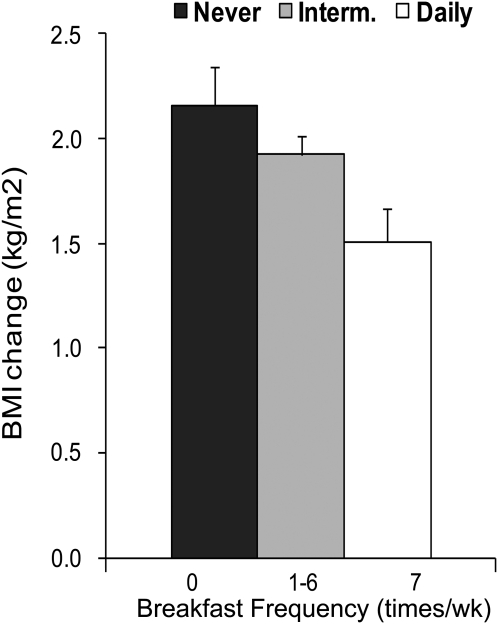
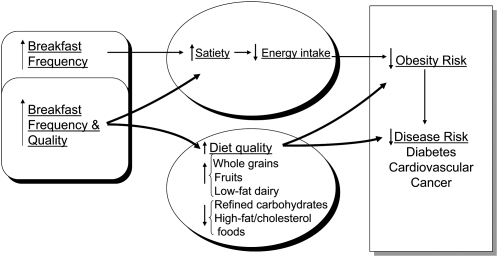
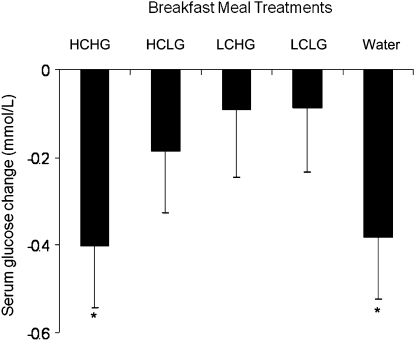
Observational studies of breakfast frequency in children and adults suggest an inverse (protective) association between the frequency of eating breakfast and the risk for obesity and chronic diseases such as type 2 diabetes. More prospective studies with stronger designs are needed, as are experimental studies on this topic. In addition, above and beyond breakfast frequency, the roles of dietary quality and composition need to be studied in the context of eating or skipping breakfast. Experimental studies are also necessary to rigorously test causality and biological mechanisms. Therefore, we conducted 2 pilot experimental studies to examine some of the effects of breakfast skipping and breakfast composition on blood glucose and appetite in children and adults. Our results suggest that breakfast frequency and quality may be related in causal ways to appetite controls and blood sugar control, supporting the hypothesis that the breakfast meal and its quality may have important causal implications for the risk of obesity and type 2 diabetes.
Conflict of interest statement
Author disclosures: M. Pereira, E. Erickson, P. McKee, K. Schrankler, S. Raatz, L. Lytle, and A. Pellegrini, no conflicts of interest.
Figures
References
-
- Skinner JD, Salvetti NN, Ezell JM, Penfield MP, Costello CA. Appalachian adolescents' eating patterns and nutrient intakes. J Am Diet Assoc. 1985;85:1093–9 - PubMed
-
- Nicklas TA, Bao W, Webber LS, Berenson GS. Breakfast consumption affects adequacy of total daily intake in children. J Am Diet Assoc. 1993;93:886–91 - PubMed
-
- Nicklas TA, Reger C, Myers L, O'Neil C. Breakfast consumption with and without vitamin-mineral supplement use favorably impacts daily nutrient intake of ninth-grade students. J Adolesc Health. 2000;27:314–21 - PubMed
-
- Graham MV, Uphold CR. Health perceptions and behaviors of school-age boys and girls. J Community Health Nurs. 1992;9:77–8 - PubMed
