. 2010 Nov 11;5(11):e15499.
doi: 10.1371/journal.pone.0015499.

A screen for RNA-binding proteins in yeast indicates dual functions for many enzymes

Affiliations

A screen for RNA-binding proteins in yeast indicates dual functions for many enzymes

Tanja Scherrer et al. PLoS One. .

Abstract

Hundreds of RNA-binding proteins (RBPs) control diverse aspects of post-transcriptional gene regulation. To identify novel and unconventional RBPs, we probed high-density protein microarrays with fluorescently labeled RNA and selected 200 proteins that reproducibly interacted with different types of RNA from budding yeast Saccharomyces cerevisiae. Surprisingly, more than half of these proteins represent previously known enzymes, many of them acting in metabolism, providing opportunities to directly connect intermediary metabolism with posttranscriptional gene regulation. We mapped the RNA targets for 13 proteins identified in this screen and found that they were associated with distinct groups of mRNAs, some of them coding for functionally related proteins. We also found that overexpression of the enzyme Map1 negatively affects the expression of experimentally defined mRNA targets. Our results suggest that many proteins may associate with mRNAs and possibly control their fates, providing dense connections between different layers of cellular regulation.


Conflict of interest statement

Competing Interests: The authors have declared that no competing interests exist.

Figures

Figure 1
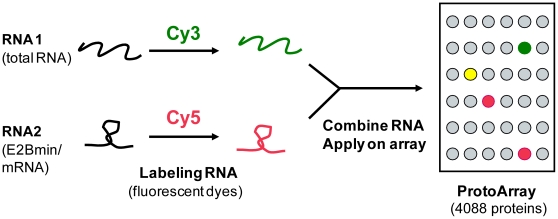
Figure 1. Identification of RNA-binding proteins with protein microarrays.
Protein microarrays (Protoarrays) contained 4,088 different yeast proteins (∼70% of the proteome) individually spotted in duplicates onto a modified glass slide. The arrays were probed with a mixture of fluorescently labeled RNAs. After washing, the arrays were scanned and analyzed for proteins that bound either labeled RNAs.
Figure 2
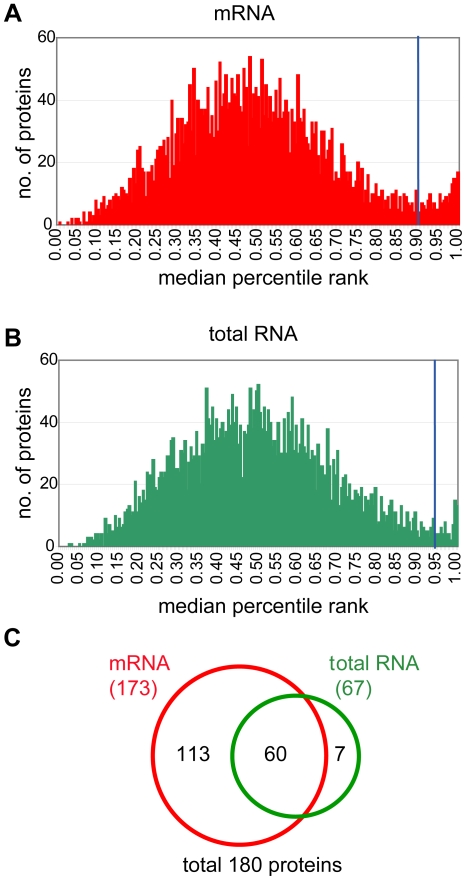
Figure 2. Selection of mRNA and total RNA-binding proteins.
(A) Distribution of ranked median signal intensities resulting from protein microarrays probed with mRNAs. The trough at 0.9 was taken as cut-off and all proteins with greater ranks were selected as mRNA binders. (B) Distribution of ranked median signal intensities resulting from arrays probed with total RNA. The trough at 0.95 was taken as cut-off and all proteins with greater ranks were considered as total RNA binders. (C) Venn Diagram representing overlap between proteins binding to total RNA and mRNAs.
Figure 3
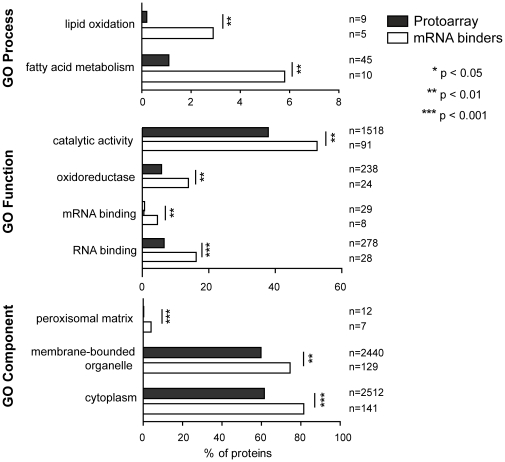
Figure 3. Significantly shared GO terms among mRNA binders.
The 173 m RNA binders were searched for significantly enriched GO terms as compared to all the 4,088 proteins present on the protein microarray. Bar diagrams indicate relative amount of genes of the respective GO term among all proteins on the array or among the selected mRNA binders, respectively.
Figure 4
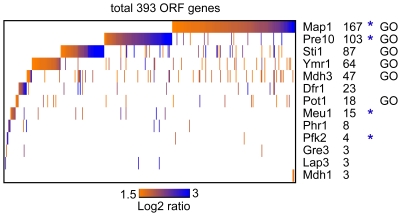
Figure 4. Selected novel RNA-binding proteins bind to distinct sets of mRNAs.
(A) Heat map of mRNAs associated with indicated proteins. The color code (orange-blue) indicates the fold-change (log2 ratio scale) of the respective feature in the affinity isolation compared to mock control microarray data. The number of mRNA targest for each protein is indicated next to the name of the protein. A star (*) denotes association with own mRNA. ‘GO’ indicates that GO terms are significantly enriched among targets (see Table 2).
Figure 5
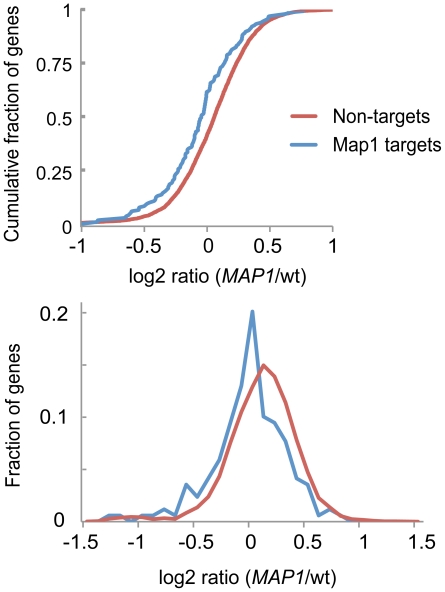
Figure 5. Gene expression profiling of yeast cells overexpressing MAP1.
Distribution of average Cy5/Cy3 fluorescence ratios from three microarray hybridizations comparing RNA levels of MAP1 over-expressing yeast cells with control cells. In the upper panel, the fraction of transcripts indicated on the y-axis refers to the cumulative fraction of sequences on the microarray; log2 ratios are plotted on the x-axis. The lower panel shows a histogram depicting the fraction of transcripts (y-axis) that are clustred within bins of 0.1 log2 ratios (x-axis). The red line delineates the distribution of Map1p RNA targets defined from affinity purifications. The blue line represents non-targets.

References

    1. Matera AG, Terns RM, Terns MP. Non-coding RNAs: lessons from the small nuclear and small nucleolar RNAs. Nat Rev Mol Cell Biol. 2007;8:209–220. - PubMed
    1. Moore MJ. From birth to death: the complex lives of eukaryotic mRNAs. Science. 2005;309:1514–1518. - PubMed
    1. Maniatis T, Reed R. An extensive network of coupling among gene expression machines. Nature. 2002;416:499–506. - PubMed
    1. Gerber AP, Herschlag D, Brown PO. Extensive association of functionally and cytotopically related mRNAs with Puf family RNA-binding proteins in yeast. PLoS Biol. 2004;2:E79. - PMC - PubMed
    1. Gerber AP, Luschnig S, Krasnow MA, Brown PO, Herschlag D. Genome-wide identification of mRNAs associated with the translational regulator PUMILIO in Drosophila melanogaster. Proc Natl Acad Sci U S A. 2006;103:4487–4492. - PMC - PubMed

Publication types

MeSH terms

Associated data