


Pumps, aqueducts, and drought management: vascular physiology in vascular cognitive impairment
- PMID: 21148438
- PMCID: PMC3018743
- DOI: 10.1161/STROKEAHA.110.595645
Pumps, aqueducts, and drought management: vascular physiology in vascular cognitive impairment
Abstract
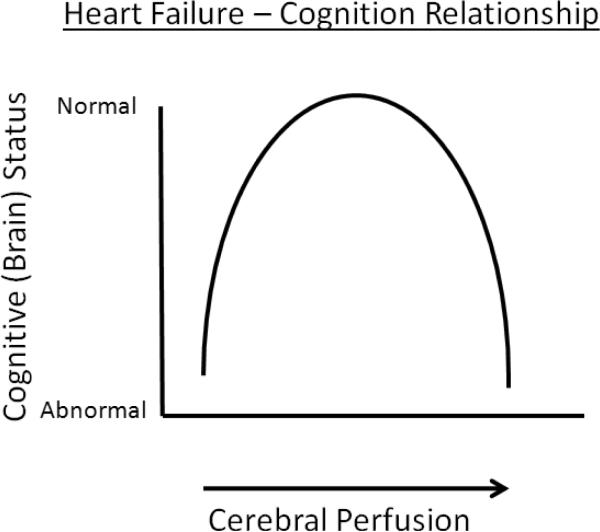
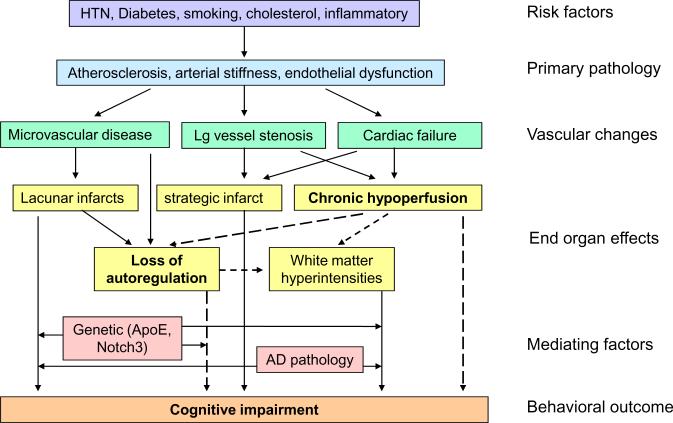
Vascular cognitive impairment has been traditionally defined by structural pathology, an accumulation of infarcts, leading to progressive cognitive decline. Recent evidence, however, suggests that cognitive impairment may be independently mediated by hemodynamic dysfunction, including global and hemispheral hypoperfusion and altered cerebral blood flow regulation. In this review, we examine evidence for the contribution of hemodynamic impairment to cognitive dysfunction in the setting of large vessel disease, cardiac failure, and microvascular disease. If there is a hemodynamic component of vascular cognitive impairment, then treatments proposed to correct impaired vascular physiology may reasonably be expected to treat the cognitive dysfunction as well.
Figures
References
-
- Iadecola C, Gorelick PB. Converging pathogenic mechanisms in vascular and neurodegenerative dementia. Stroke. 2003;34:335–337. - PubMed
-
- Querfurth HW, LaFerla FM. Alzheimer's disease. N Engl J Med. 2010;362:329–344. - PubMed
-
- Pantoni L. Cerebral small vessel disease: from pathogenesis and clinical characteristics to therapeutic challenges. Lancet Neurol. 2010;9:689–701. - PubMed
-
- Tatemichi TK, Desmond DW, Prohovnik I. Strategic infarcts in vascular dementia. A clinical and brain imaging experience. Arzneimittelforschung. 1995;45:371–385. - PubMed
-
- Merino JG, Hachinski V. Historical Perspective. In: Festa JR, Lazar RM, editors. Neurovascular Neuropsychology. Springer; New York: 2009. pp. 1–6.
Publication types
MeSH terms
Grants and funding
LinkOut - more resources
Full Text Sources
Medical
