


Interneurons in the developing human neocortex
- PMID: 21154907
- PMCID: PMC3117059
- DOI: 10.1002/dneu.20812
Interneurons in the developing human neocortex
Abstract
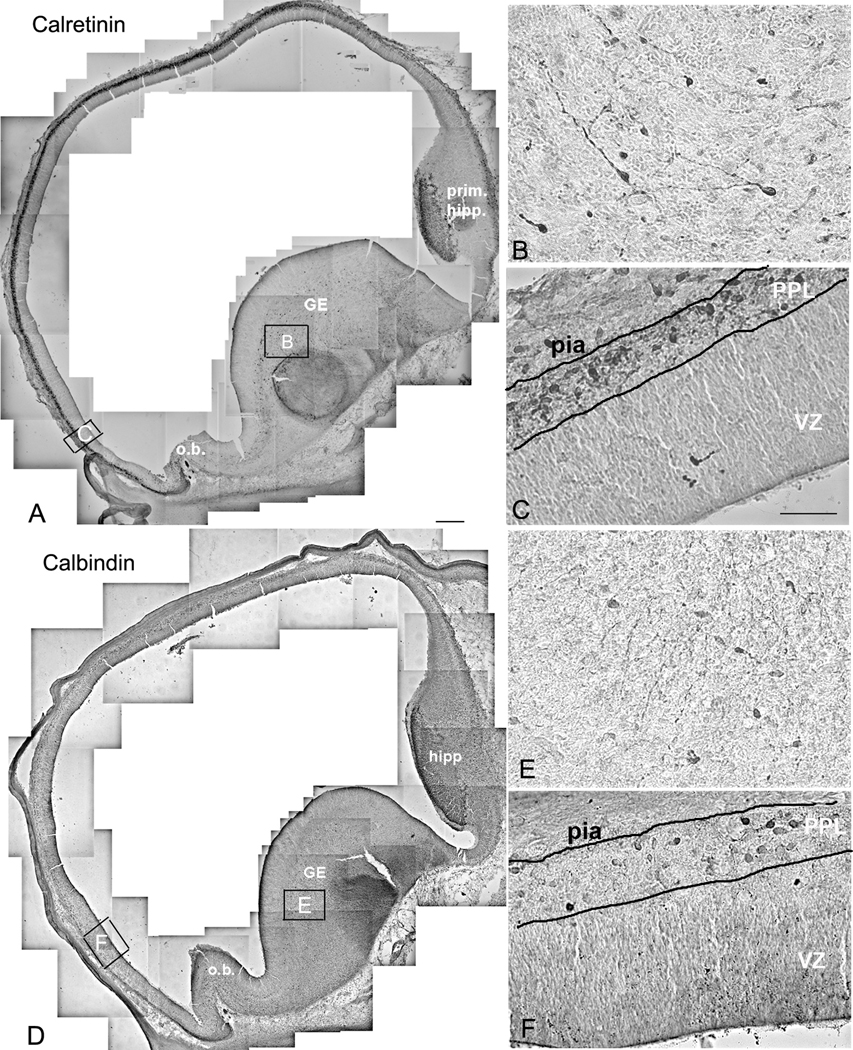
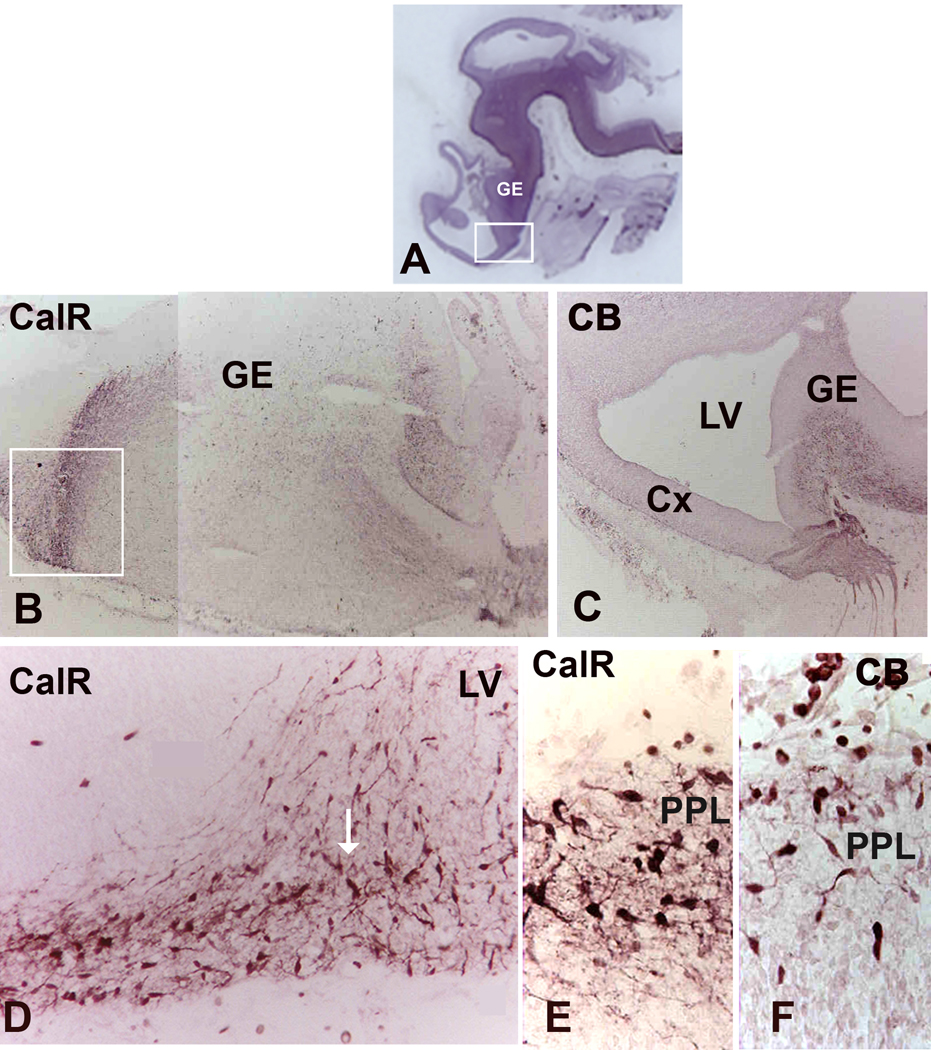
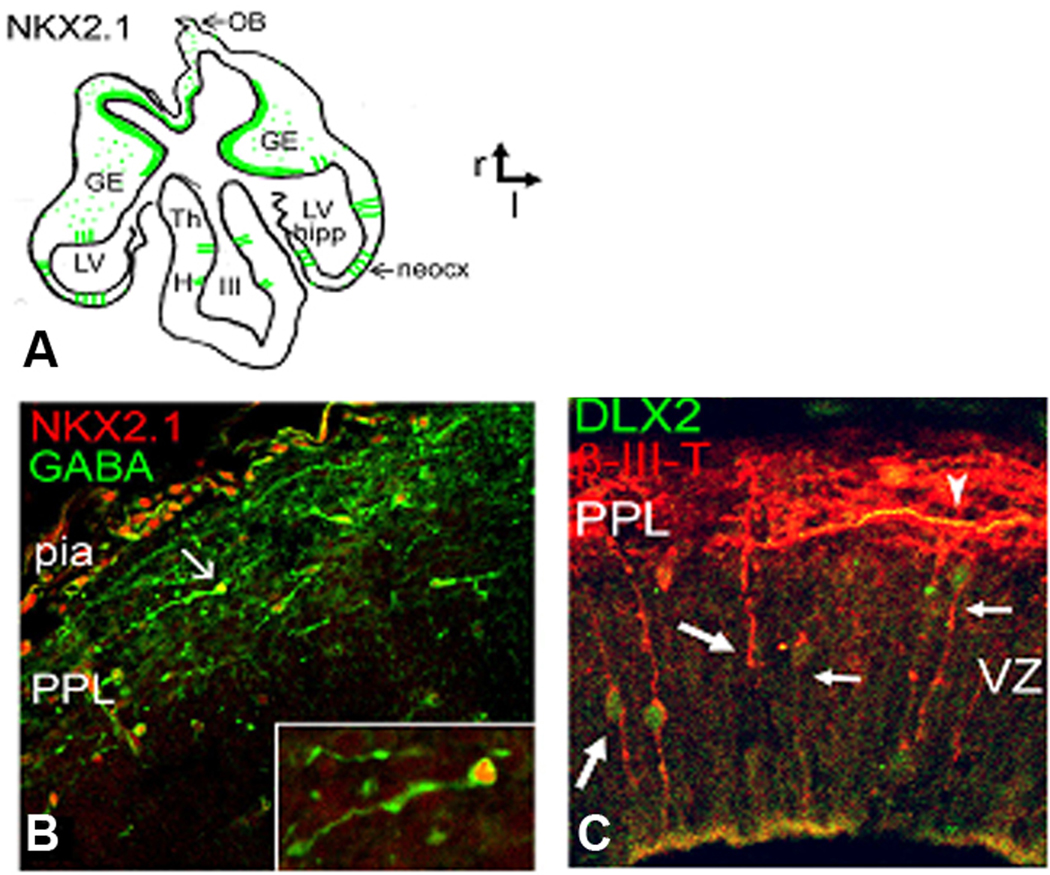
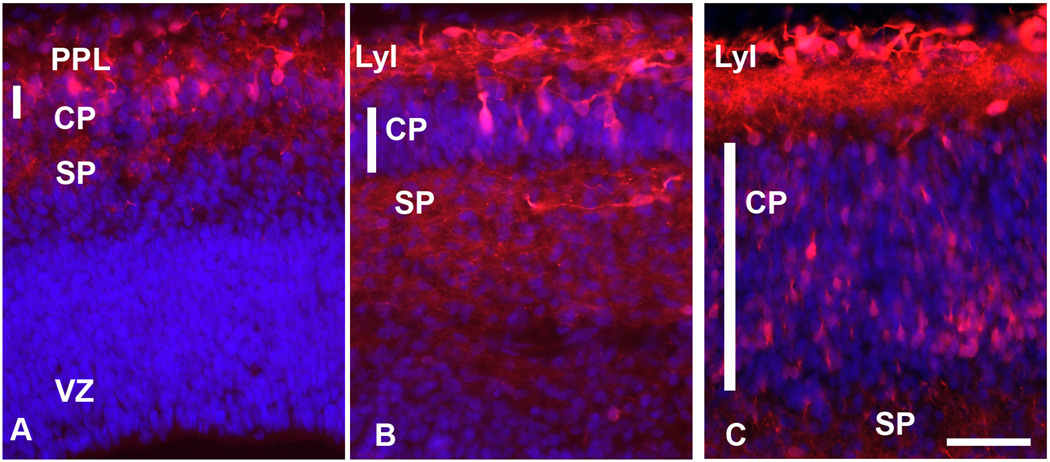
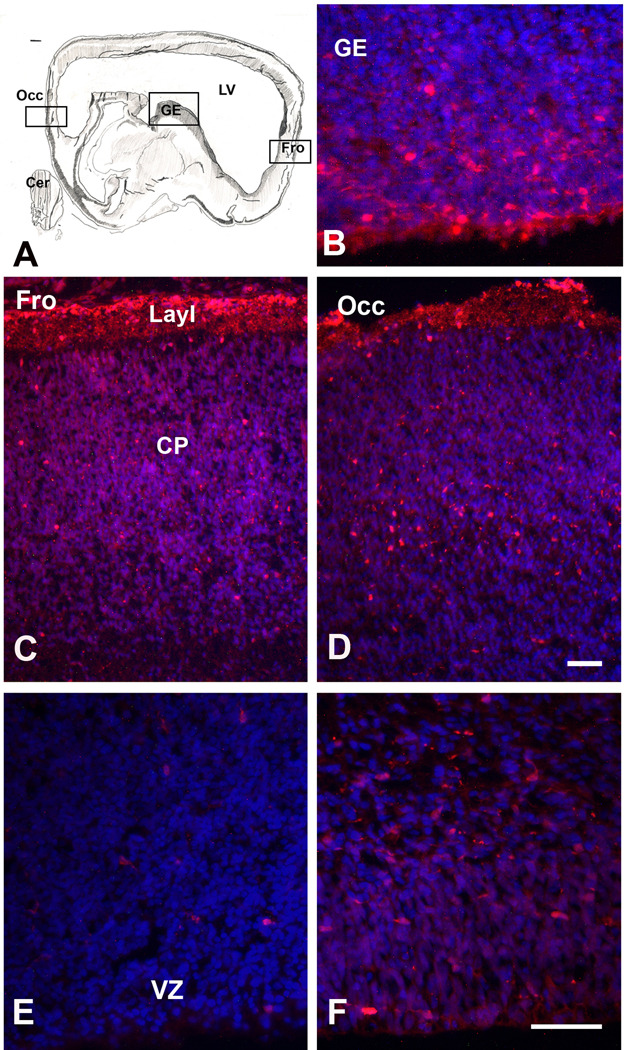
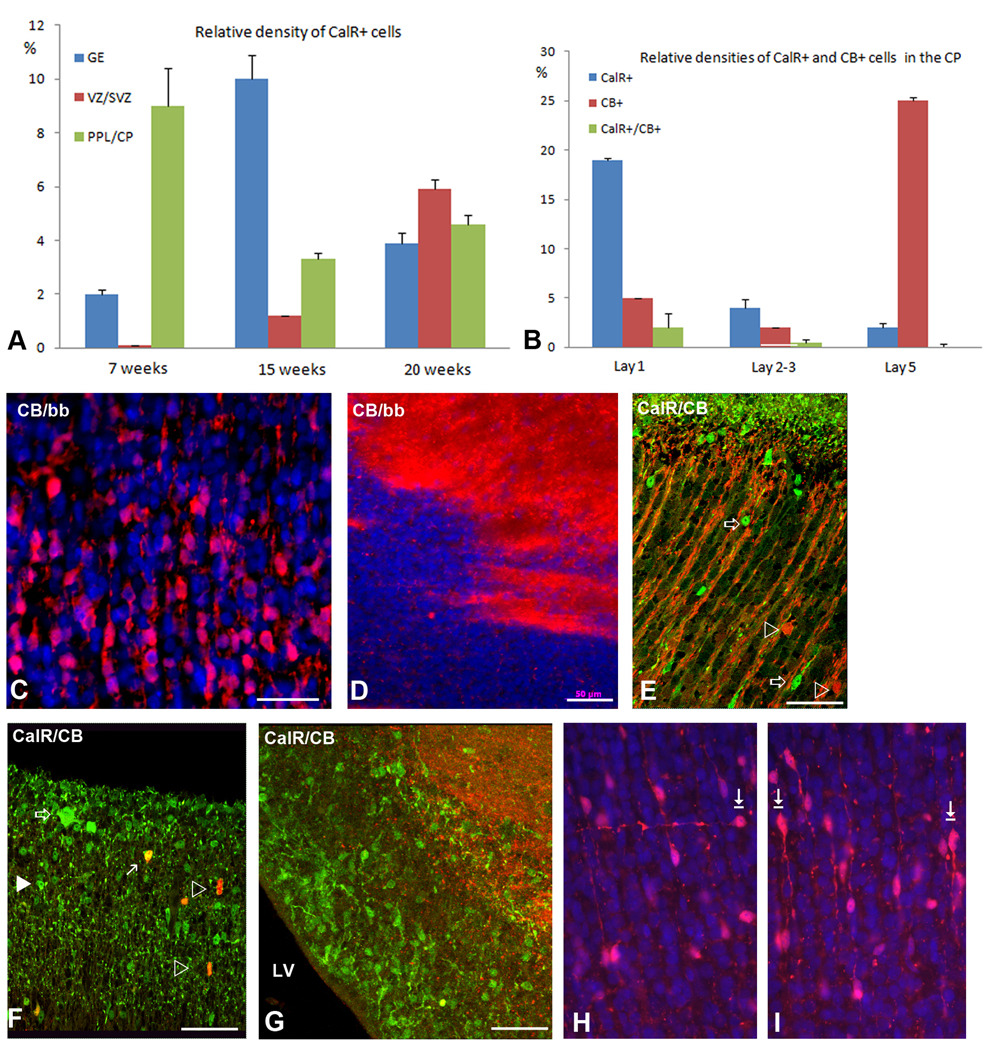
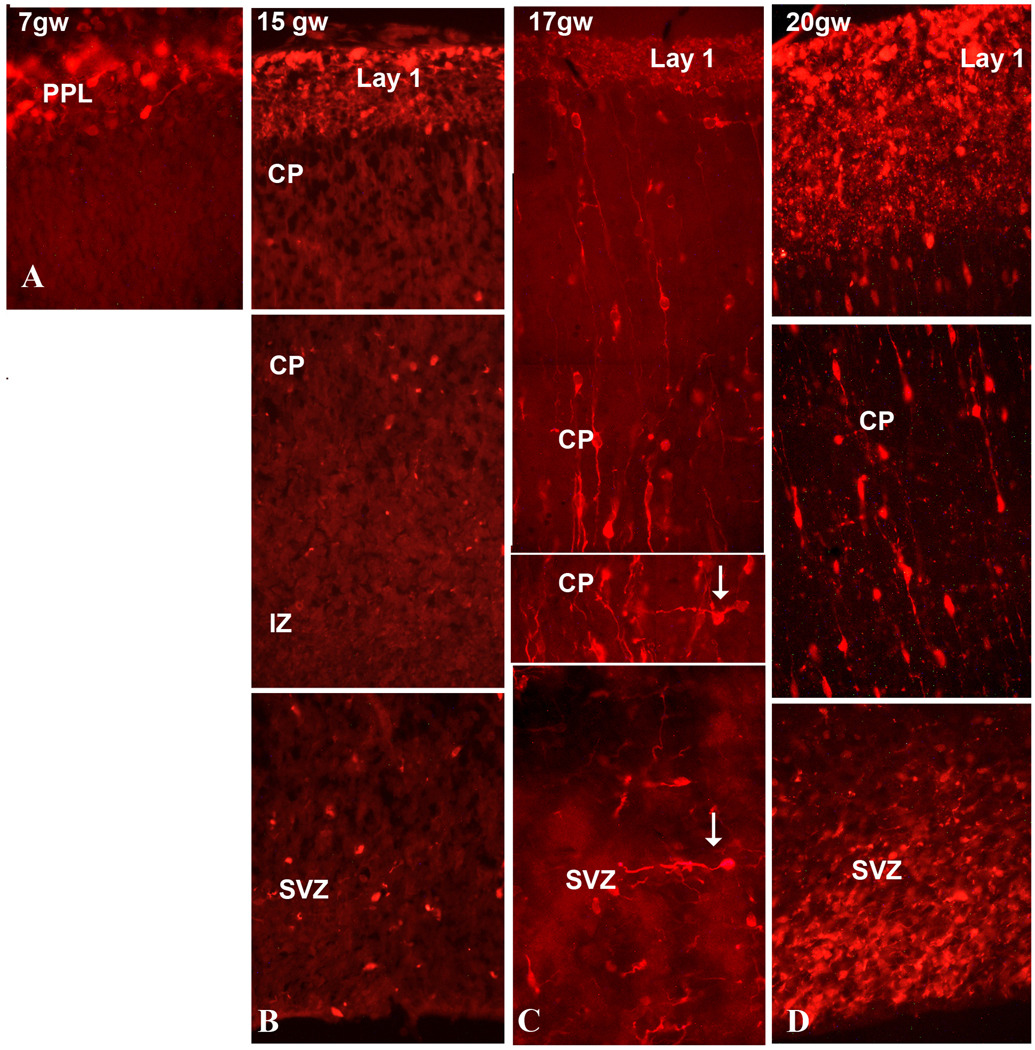
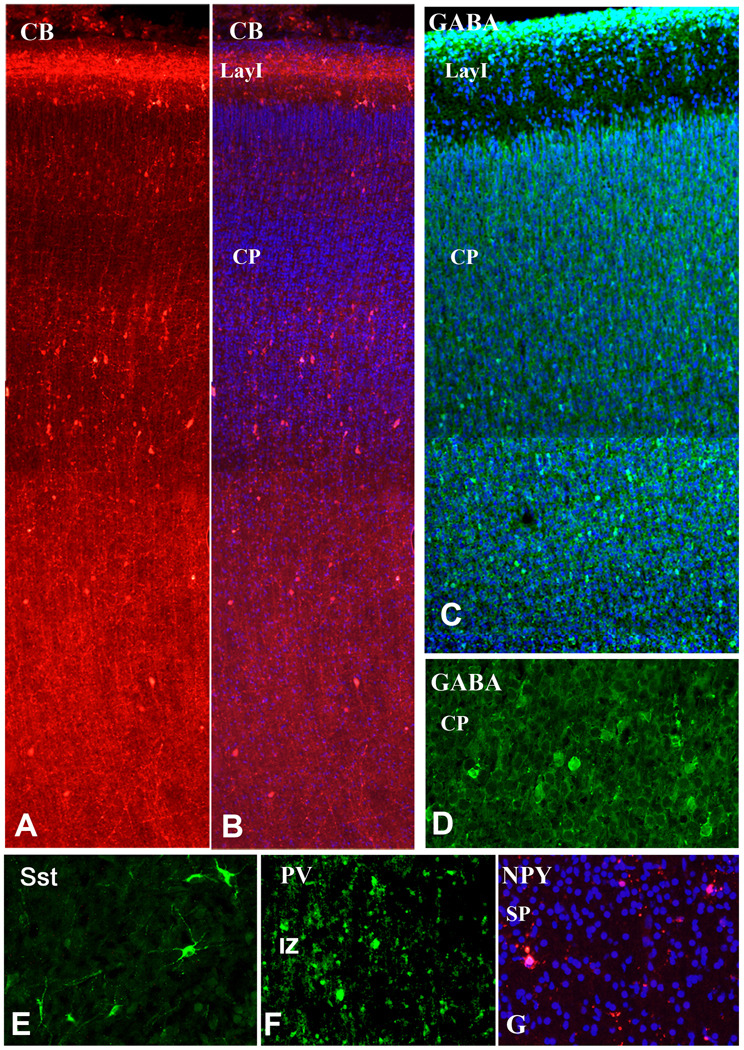
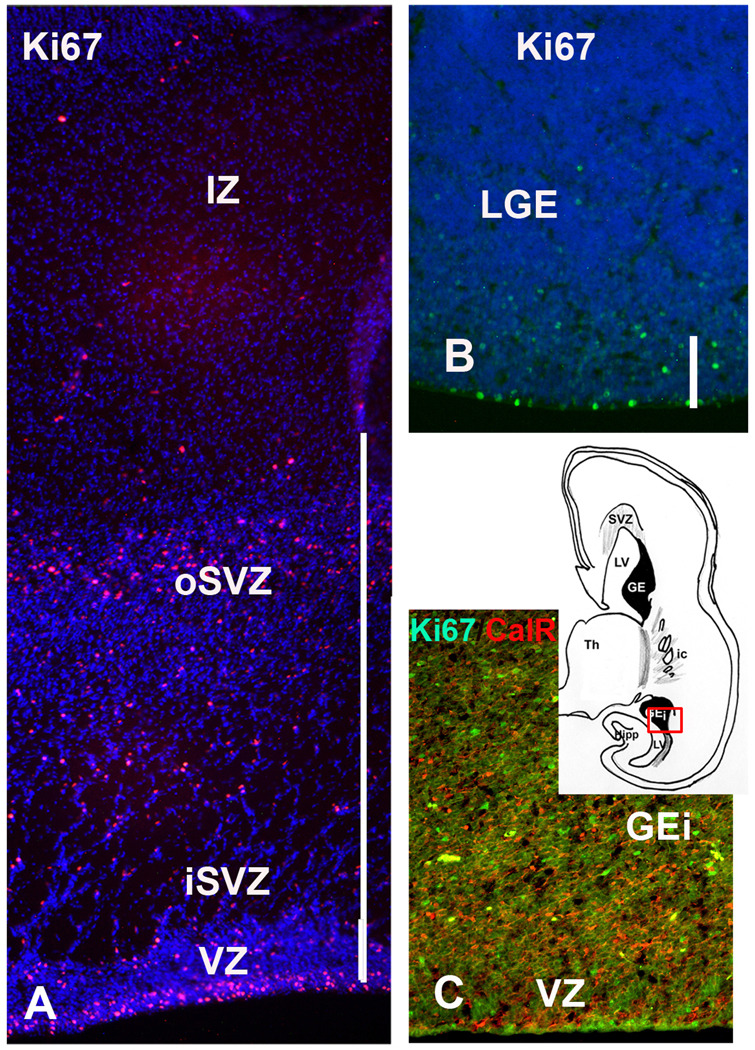
Cortical interneurons play a crucial role in the functioning of cortical microcircuitry as they provide inhibitory input to projection (pyramidal) neurons. Despite their involvement in various neurological and psychiatric disorders, our knowledge about their development in human cerebral cortex is still incomplete. Here we demonstrate that at the beginning of corticogenesis, at embryonic 5 gestation weeks (gw, Carnegie stage 16) in human, early neurons could be labeled with calretinin, calbindin, and GABA antibodies. These immunolabeled cells show a gradient from the ganglionic eminences (GE) toward the neocortex, suggesting that GE is a well conserved source of early born cortical interneurons from rodents to human. At mid-term (20 gw), however, a subset of calretinin(+) cells proliferates in the cortical subventricular zone (SVZ), suggesting a second set of interneuron progenitors that have neocortical origin. Neuropeptide Y, somatostatin, or parvalbumin cells are sparse in mid-term cerebral cortex. In addition to the early source of cortical interneurons in the GE and later in the neocortical SVZ, other regions, such as the subpial granular layer, may also contribute to the population of human cortical interneurons. In conclusion, our findings from cryosections and previous in vitro results suggest that cortical interneuron progenitor population is more complex in humans relative to rodents. The increased complexity of progenitors is probably evolutionary adaptation necessary for development of the higher brain functions characteristic to humans.
Copyright © 2010 Wiley Periodicals, Inc.
Figures
References
-
- Akbarian S, Kim JJ, Potkin SG, Hagman JO, Tafazzoli A, Bunney WE, Jr, Jones EG. Gene expression for glutamic acid decarboxylase is reduced without loss of neurons in prefrontal cortex of schizophrenics. Arch. Gen. Psychiatry. 1995;52:258–266. - PubMed
-
- Anderson SA, Eisenstat DD, Shi L, Rubenstein JL. Interneuron migration from basal forebrain to neocortex: dependence on Dlx genes. Science. 1997;278:474–476. - PubMed
-
- Anderson SA, Marin O, Horn C, Jennings K, Rubenstein JLR. Distinct cortical migrations from the medial and lateral ganglionic eminences. Development. 2001;128:353–363. - PubMed
-
- Baraban SC, Tallent MK. Interneuron diversity series: interneuronal neuropeptides—endogenous regulators of neuronal excitability. Trends Neurosci. 2004;27:135–142. - PubMed
Publication types
MeSH terms
Grants and funding
LinkOut - more resources
Full Text Sources
Other Literature Sources
Medical
