


Complicated skin, skin structure and soft tissue infections - are we threatened by multi-resistant pathogens?
- PMID: 21163729
- PMCID: PMC3352103
- DOI: 10.1186/2047-783x-15-12-544
Complicated skin, skin structure and soft tissue infections - are we threatened by multi-resistant pathogens?
Abstract
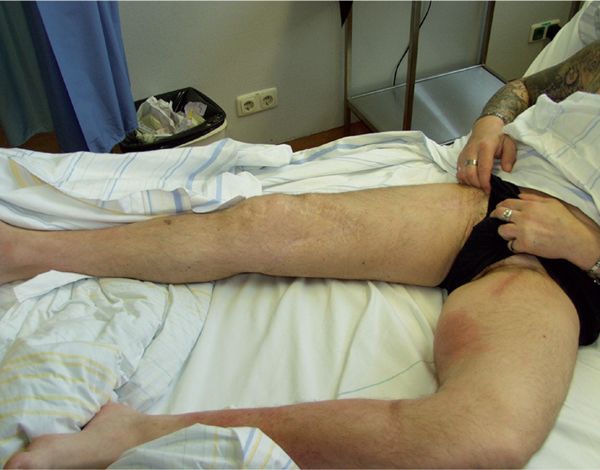
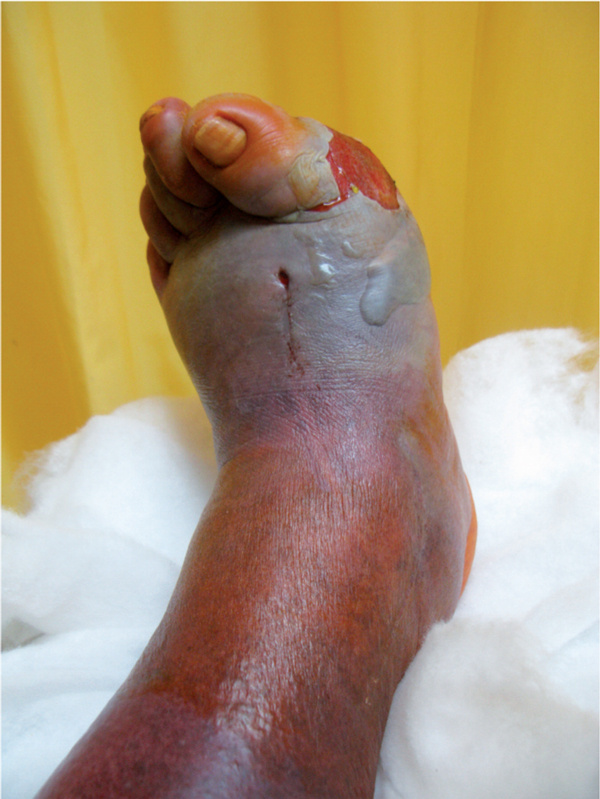
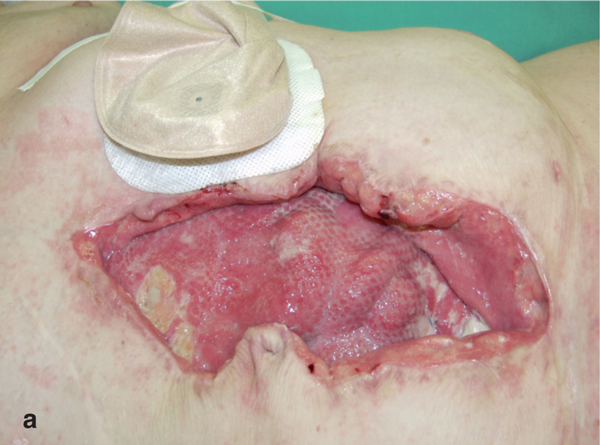
Tissue infections or skin, skin structure, and deep seated soft tissue infections are general terms for infections of the entire skin layer including the subcutaneous and muscle tissue layers and their respective fascia structures. Infections of the different mediastinal fascias (mediastinitis) and retroperitoneal fascia infections also belong to this category. Due to the variability of their clinical presentation, skin and soft tissue infections can be classified according to different features. The following aspects can be used for classification: - anatomical structures, - pathogens, - necessity for urgent treatment, - extent of infection. - The incidence of skin and soft tissue infections in which MRSA (methicillin-resistent Staphylococcus aureus) is involved has been steadily increasing over the past 15 years. These wounds should be treated according to the same open treatment principles as other infected wounds. Since these infections are often superficial contaminations, antibiotic therapy is not indicated. If systemic infection occurs in form of MRSA sepsis, antibiotic therapy is indicated. - Several recent reports identified MRSA as the leading pathogen in SSTIs. It also causes 20% to 50% of diabetes-associated foot infections in several countries and is associated with worse outcomes than other pathogens.
Figures



References
-
- Anderson DJ, Sexton DJ, Kanafani ZA, Auten G, Kaye KS. Severe surgical site infection in community hospitals: epidemiology, key procedures, and the changing in prevalence of methicillin resistant Staphylococcus aureus. In fect Control Hosp Epidemiol. 2007;28:1047–1053. doi: 10.1086/520731. - DOI - PubMed
-
- Breuninger H, Wienert V. Acne inversea. Dtsch Ärztebl. 2001. pp. 2889–2892.
-
- Campbell RM. The surgical management of pressure scores. Surg Clin North Am. 1959;39:509. - PubMed
Publication types
MeSH terms
Substances
LinkOut - more resources
Full Text Sources
Other Literature Sources
Medical
Miscellaneous
