


Sentactics®: Computer-Automated Treatment of Underlying Forms
- PMID: 21170283
- PMCID: PMC3002176
- DOI: 10.1080/02687030903474255
Sentactics®: Computer-Automated Treatment of Underlying Forms
Abstract
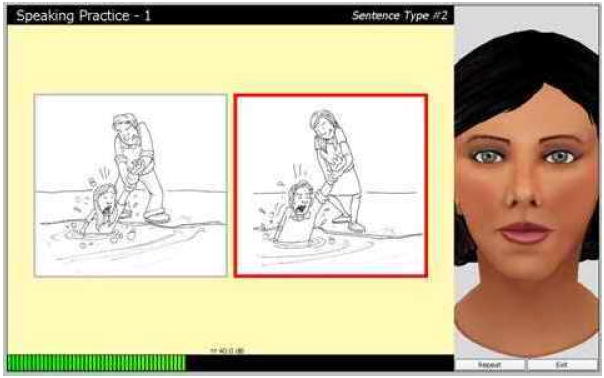
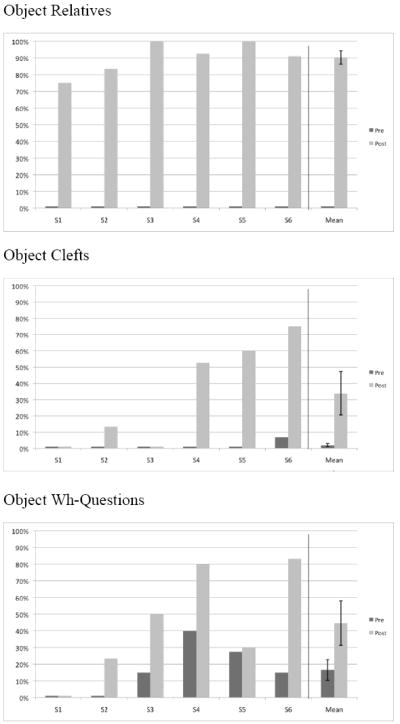
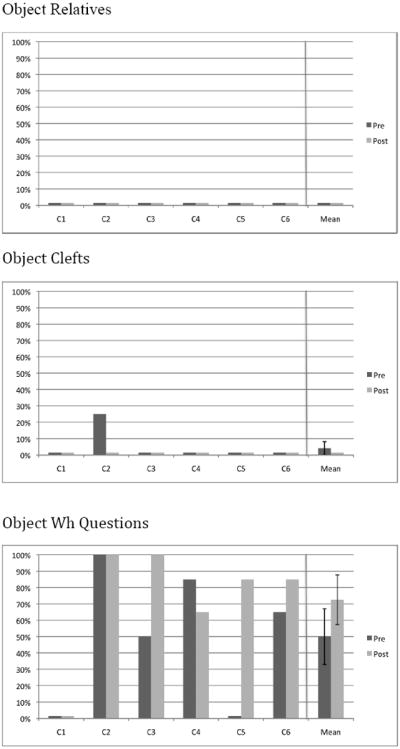
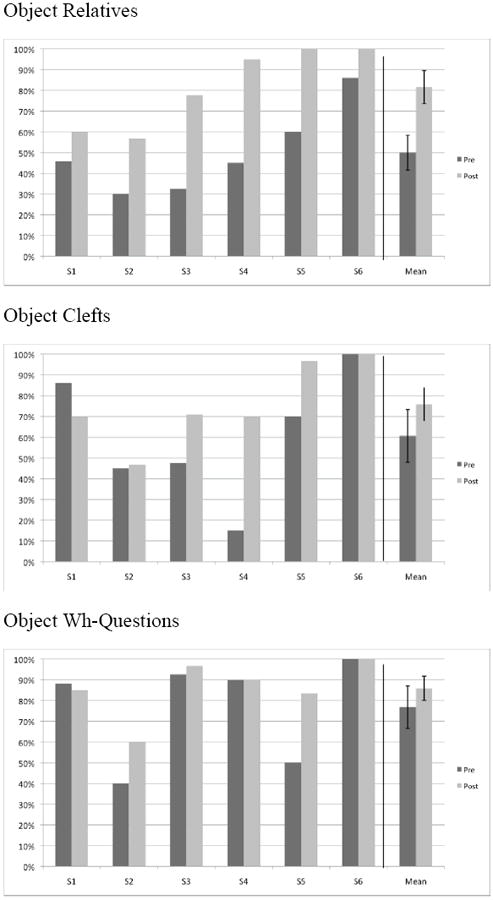
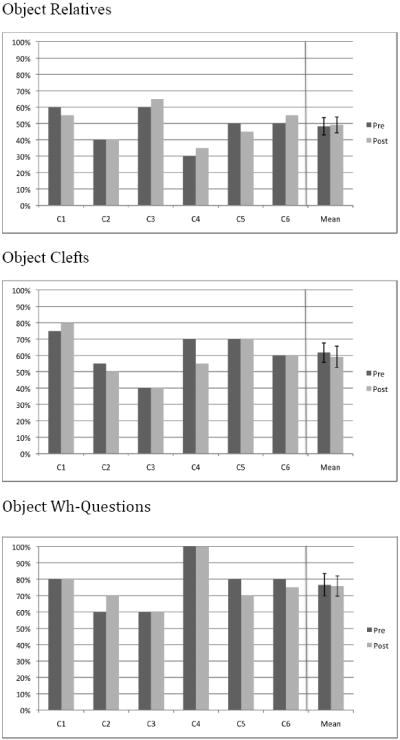
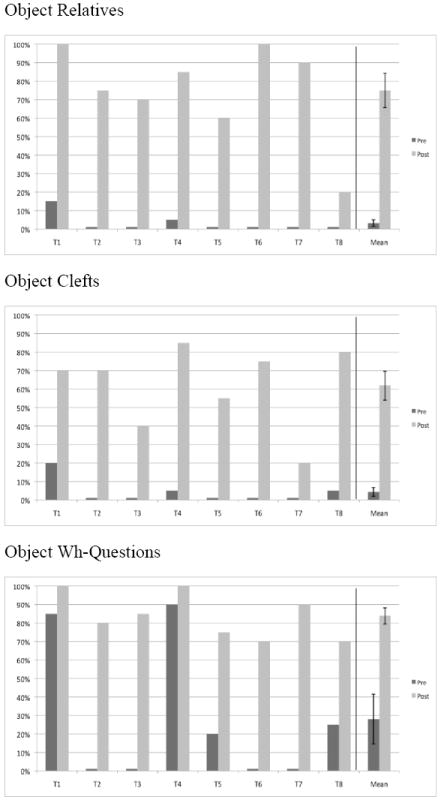
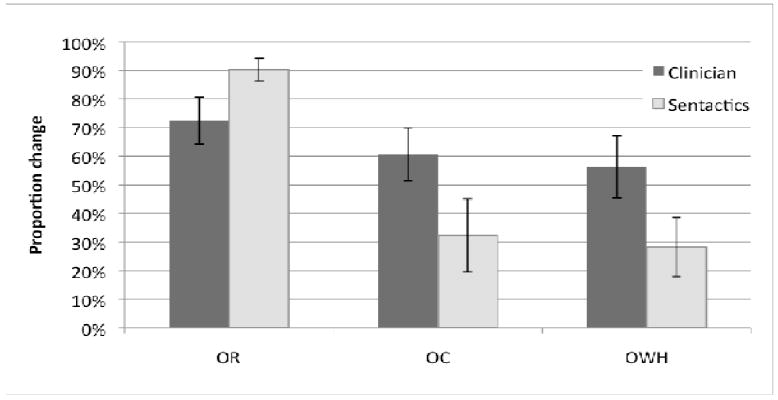
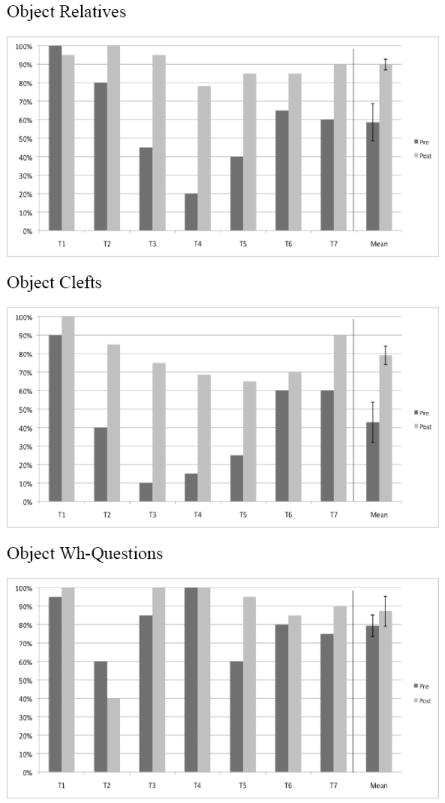
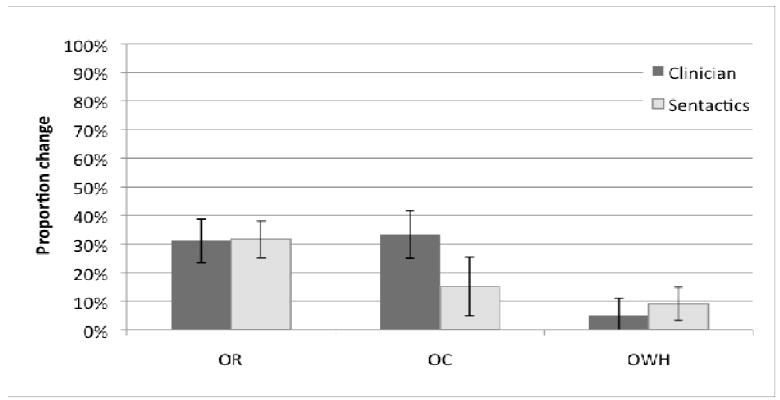
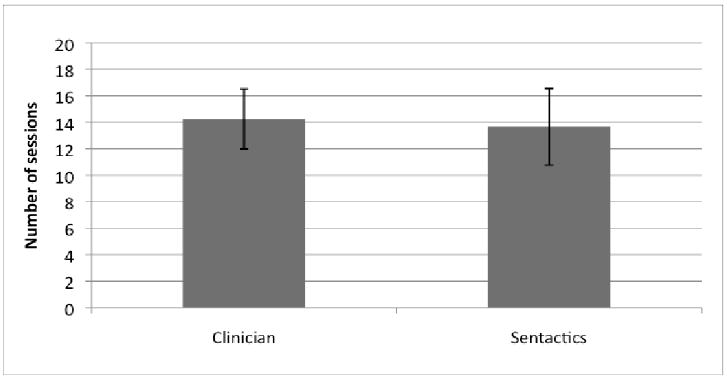
BACKGROUND: Treatment of Underlying Forms (TUF) is a linguistically-based treatment for improving agrammatic sentence deficits, which enjoys a substantial database attesting to its efficacy for improving both sentence comprehension and production in agrammatic aphasia. However, TUF requires considerable linguistic background to administer and administration time can exceed the number of treatment sessions allotted in toto for reimbursement by third party payors in the United States. Thus, Sentactics®, an interactive computer system that enables delivery of TUF by a virtual clinician was developed. AIMS: This study tested the effects of Sentactics® on the acquisition and generalized production and comprehension of complex sentences. Additionally, a direct comparison of the results of computer-delivered Sentactics® and clinician-delivered TUF was undertaken. METHODS #ENTITYSTARTX00026; PROCEDURES: Twelve agrammatic aphasic speakers participated in the study, with six receiving Sentactics® and six serving as experimental controls, who received no treatment. All participants were administered pre- and post-treatment sentence comprehension and production tests and other measures to evaluate the effects of Sentactics®. Performance of the Sentactics® group also was compared to eight agrammatic patients who previously received clinician-delivered TUF treatment, identical to that delivered via Sentactics®, but with a human clinician. OUTCOMES #ENTITYSTARTX00026; RESULTS: Sentactics® significantly improved all six aphasic speakers' ability to comprehend and produce both trained and untrained, linguistically related, complex sentences as compared to six agrammatic control participants who did not receive Sentactics®. In addition, comparing the results of the Sentactics® to clinician-delivered TUF revealed no significant differences between approaches with regard to acquisition or generalization patterns. CONCLUSIONS: These data provide further support for the efficacy of TUF and demonstrate the viability of computer-delivered therapies in the field of aphasia treatment.
Figures
References
-
- Ballard KJ, Thompson CK. Treatment and generalization of complex sentence production in agrammatism. Journal of Speech, Language and Hearing Research. 1999;42:690–707. - PubMed
-
- Berndt RS, Haendiges AN, Mitchum CC, Sandson J. Verb retrieval in aphasia. 2. Relationship to sentence processing. Brain and Language. 1997;56(1):107–137. - PubMed
-
- Berndt RS, Mitchum CC, Haendiges AN, Sandson J. Verb retrieval in aphasia. 1. Characterizing single word impairments. Brain and Language. 1997;56(1):68–106. - PubMed
-
- Cole R, Halpern A, Ramig L, Van Vuuren S, Ngampatipatpong N, Yan J. A virtual speech therapist for individuals with Parkinson’s Disease. Educational Technology. 2007;47(1):51–55.
Grants and funding
LinkOut - more resources
Full Text Sources