


Detection of coronary atherosclerotic plaques with superficial proteoglycans and foam cells using real-time intrinsic fluorescence spectroscopy
- PMID: 21193196
- PMCID: PMC3049853
- DOI: 10.1016/j.atherosclerosis.2010.11.020
Detection of coronary atherosclerotic plaques with superficial proteoglycans and foam cells using real-time intrinsic fluorescence spectroscopy
Abstract
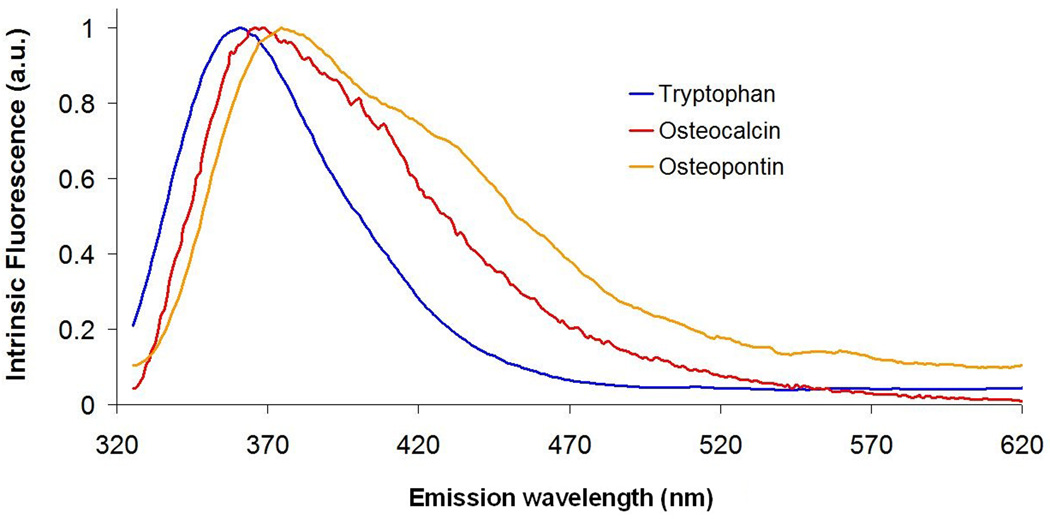
Objectives: The protein components of low-density lipoprotein (LDL), oxidized LDL and proteoglycans such as versican contain tryptophan, an amino acid with characteristic fluorescence features at 308 nm excitation wavelength. We hypothesize that intrinsic fluorescence spectroscopy at 308 nm excitation wavelength IFS308, a method suitable for clinical use, can identify coronary artery lesions with superficial foam cells (SFCs) and/or proteoglycans.
Methods: We subjected 119 human coronary artery specimens to in vitro fluorescence and reflectance spectroscopy. We used 5 basis spectra to model IFS308, and extracted their contributions to each individual IFS308 spectrum. A diagnostic algorithm using the contributions of Total Tryptophan and fibrous cap to IFS308 was built to identify specimens with SFCs and/or proteoglycans in their top 50 μm.
Results: We detected SFCs and/or proteoglycans, such as versican or the glycosaminoglycan hyaluronan, in 24 fibrous cap atheromas or pathologic intimal thickening (PIT) lesions. An algorithm using the contributions of Total Tryptophan and fibrous cap to IFS308 was able to identify these segments with 92% sensitivity and 80% specificity.
Conclusion: We were able to establish a set of characteristic LDL, oxidized LDL, versican and hyaluronan fluorescence spectra, ready to be used for real-time diagnosis. The IFS(308) technique detects SFCs and/or proteoglycans in fibrous cap atheromas and PIT lesions. SFCs and proteoglycans are histological markers of vulnerable plaques, and this study is a step further in developing an invasive clinical tool to detect the vulnerable atherosclerotic plaque.
Copyright © 2010 Elsevier Ireland Ltd. All rights reserved.
Conflict of interest statement
There are no conflicts of interest for any of the authors listed.
Figures




References
-
- Kramer MC, Rittersma SZ, Winter RJ, et al. Relationship of Thrombus Healing to Underlying Plaque Morphology in Sudden Coronary Death. J Am Coll Cardiol. 2010;55:122–132. - PubMed
-
- Farb A, Burke AP, Tang AL, et al. Coronary plaque erosion without rupture into a lipid core. A frequent cause of coronary thrombosis in sudden coronary death. Circulation. 1996;93:1354–1363. - PubMed
-
- Wight TN, Merrilees MJ. Proteoglycans in atherosclerosis and restenosis: key roles for versican. Circ Res. 2004;94:1158–1167. - PubMed
-
- Gutierrez P, O'Brien KD, Ferguson M, Nikkari ST, Alpers CE, Wight TN. Differences in the distribution of versican, decorin, and biglycan in atherosclerotic human coronary arteries. Cardiovasc Pathol. 1997;6:271–278. - PubMed
Publication types
MeSH terms
Substances
Grants and funding
LinkOut - more resources
Full Text Sources
Miscellaneous
