Regulation of protein synthesis by amino acids in muscle of neonates
- PMID: 21196241
- PMCID: PMC3139365
- DOI: 10.2741/3798
Regulation of protein synthesis by amino acids in muscle of neonates
Abstract
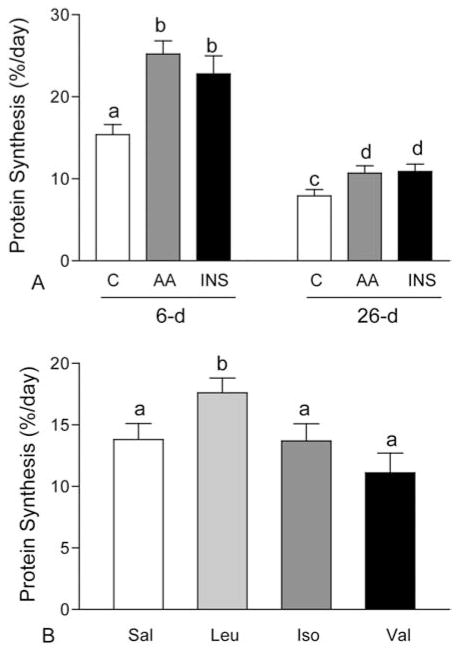
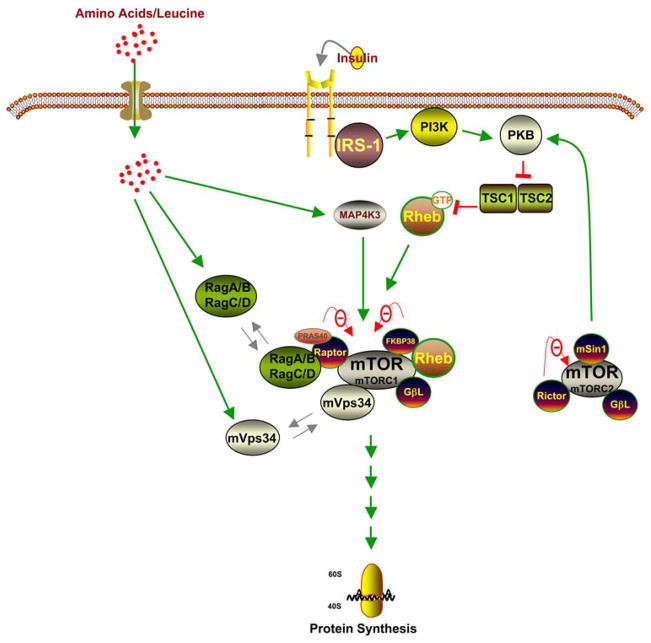
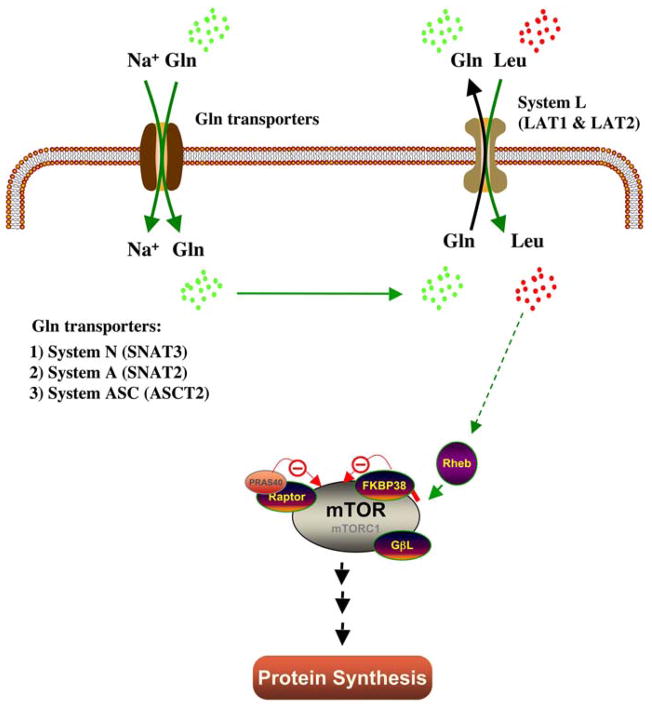
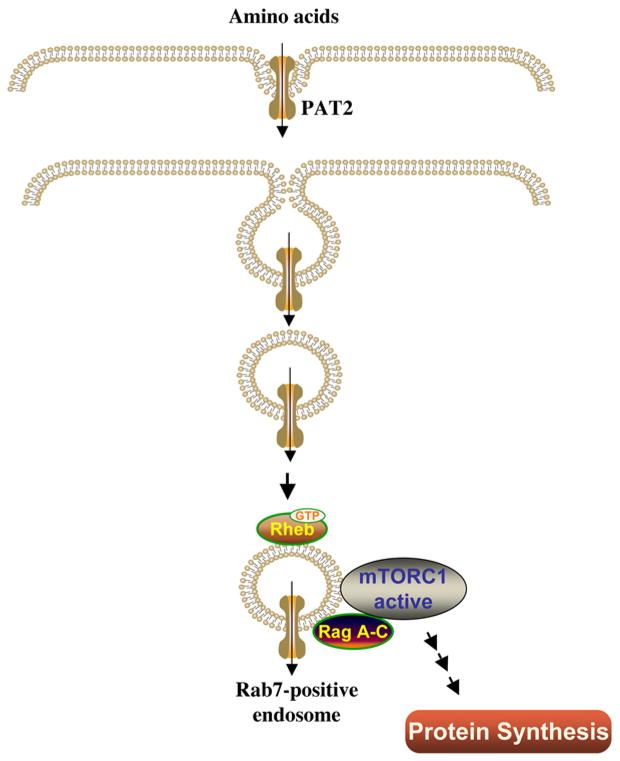
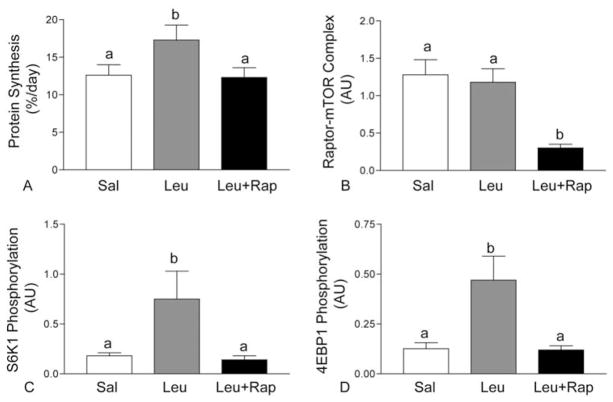
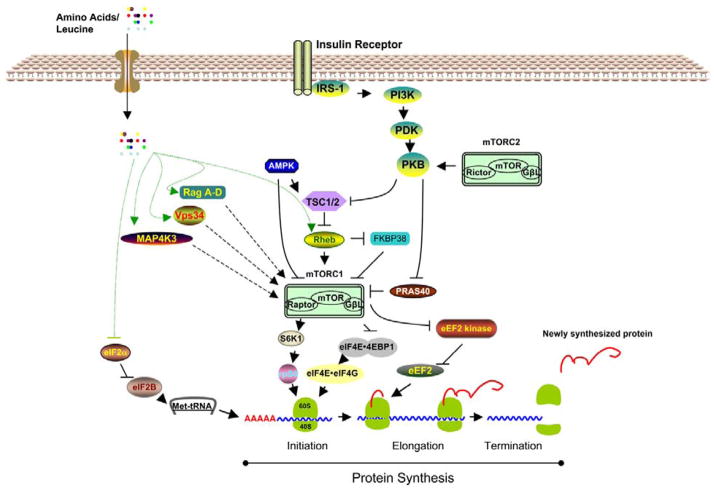
The marked increase in skeletal muscle mass during the neonatal period is largely due to a high rate of postprandial protein synthesis that is modulated by an enhanced sensitivity to insulin and amino acids. The amino acid signaling pathway leading to the stimulation of protein synthesis has not been fully elucidated. Among the amino acids, leucine is considered to be a principal anabolic agent that regulates protein synthesis. mTORC1, which controls protein synthesis, has been implicated as a target for leucine. Until recently, there have been few studies exploring the role of amino acids in enhancing muscle protein synthesis in vivo. In this review, we discuss amino acid-induced protein synthesis in muscle in the neonate, focusing on current knowledge of the role of amino acids in the activation of mTORC1 leading to mRNA translation. The role of the amino acid transporters, SNAT2, LAT1, and PAT, in the modulation of mTORC1 activation and the role of amino acids in the activation of putative regulators of mTORC1, i.e., raptor, Rheb, MAP4K3, Vps34, and Rag GTPases, are discussed.
Figures
References
-
- Young Vernon. The role of skeletal and cardiac muscle in the regulation of protein metabolism. In: Munro HN, editor. Mammalian protein metabolism. Academic; NY: 1991.
-
- Davis Teresa, Fiorotto Marta, Nguyen Hanh, Reeds Peter. Protein turnover in skeletal muscle of suckling rats. Am J Physiol Regul Integr Comp Physiol. 1989;257:R1141–R1146. - PubMed
-
- Davis Teresa, Fiorotto Marta, Beckett Philip, Burrin Douglas, Reeds Peter, Wray-Cahen Diane, Nguyen Hanh. Differential effects of insulin on peripheral and visceral tissue protein synthesis in neonatal pigs. Am J Physiol. 2001;280:E770–E779. - PubMed
-
- Fiorotto Marta, Davis Teresa, Reeds Peter. Regulation of myofibrillar protein turnover during maturation in normal and undernourished rat pups. Am J Physiol. 2000;278:845–854. - PubMed
Publication types
MeSH terms
Substances
Grants and funding
LinkOut - more resources
Full Text Sources
Other Literature Sources
Research Materials
Miscellaneous