


Why and How Meet n-3 PUFA Dietary Recommendations?
- PMID: 21197079
- PMCID: PMC3004387
- DOI: 10.1155/2011/364040
Why and How Meet n-3 PUFA Dietary Recommendations?
Abstract
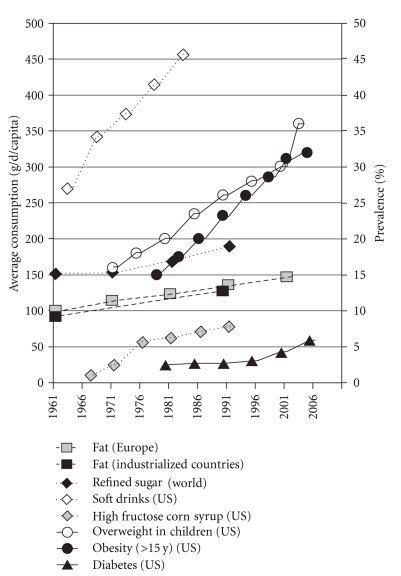
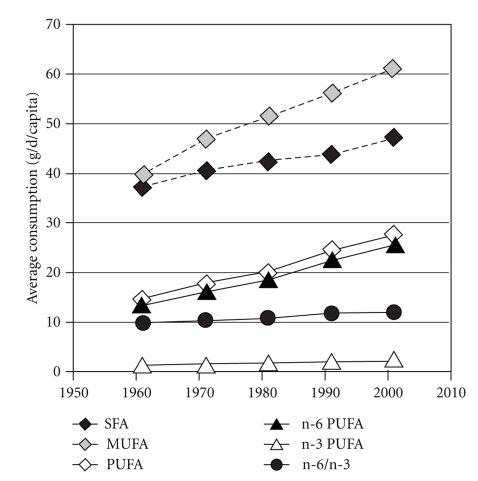
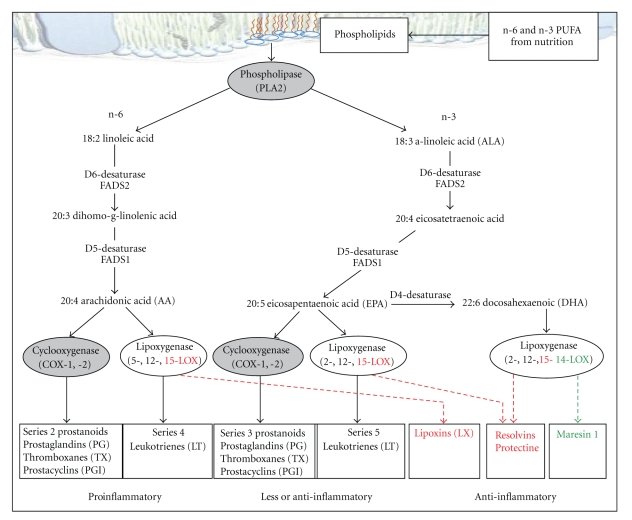
Obesity and the metabolic syndrome are systemic inflammatory diseases reaching epidemic proportions. Contemporary changes in human nutrition occurred characterized by increased consumption of fat and of vegetable oils rich in n-6 polyunsaturated fatty acids (PUFAs) together with decrease in n-3 PUFA-rich foods, resulting in an n-6/n-3 ratio of 10-20/1 in Western diet for a ratio around 1/1 in the diet of our ancestors. The literature provides compelling evidence for the health benefit of n-3 PUFA consumption on inflammation and metabolic syndrome prevention and treatment. Such evidence led to the establishment of comprehensive recommendations. However, we show here that, both in collective catering proposed to children and in hospital diet, it is not straightforward to meet such recommendations. Willingness of governments to institute changes, with accountable decisions on catering, nutritional education, and food processing, is required to face our neglected responsibility in promoting balanced diet and consumption of foods rich in essential nutrients in the general population.
Figures
References
-
- Byrne CD. Fatty liver: role of inflammation and fatty acid nutrition. Prostaglandins Leukotrienes and Essential Fatty Acids. 2010;82(4-6):265–271. - PubMed
-
- Cerchietti LCA, Navigante AH, Castro MA. Effects of eicosapentaenoic and docosahexaenoic n-3 fatty acids from fish oil and preferential Cox-2 inhibition on systemic syndromes in patients with advanced lung cancer. Nutrition and Cancer. 2007;59(1):14–20. - PubMed
-
- Giugliano D, Ceriello A, Esposito K. Are there specific treatments for the metabolic syndrome? American Journal of Clinical Nutrition. 2008;87(1):8–11. - PubMed
-
- Das UN. Is metabolic syndrome X an inflammatory condition? Experimental Biology and Medicine. 2002;227(11):989–997. - PubMed
LinkOut - more resources
Full Text Sources
