


Ethnoepidemiology of HTLV-1 related diseases: ethnic determinants of HTLV-1 susceptibility and its worldwide dispersal
- PMID: 21205073
- PMCID: PMC11159984
- DOI: 10.1111/j.1349-7006.2010.01820.x
Ethnoepidemiology of HTLV-1 related diseases: ethnic determinants of HTLV-1 susceptibility and its worldwide dispersal
Abstract
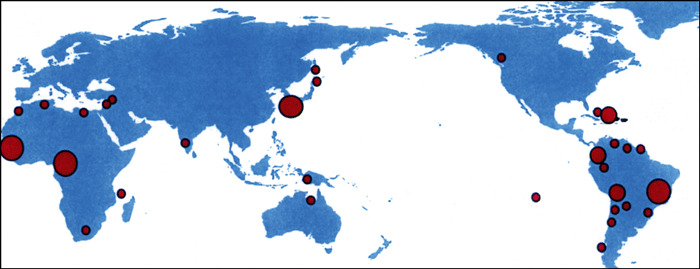
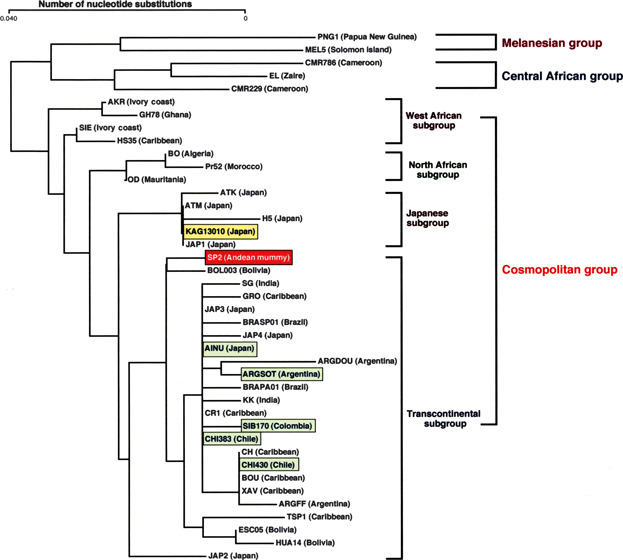
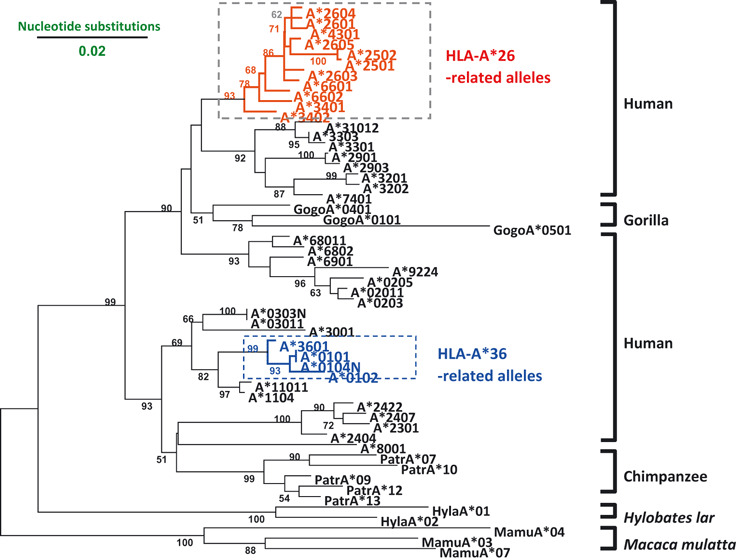
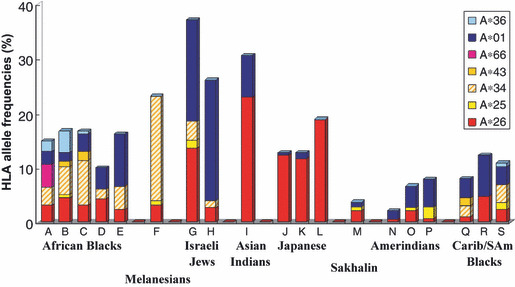
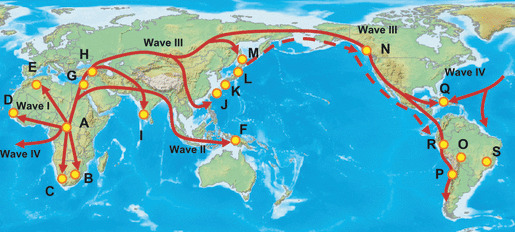
Human T-cell lymphotropic virus type 1 is vertically transmitted in neonatal life and is causatively associated with adult T-cell leukemia (ATL) and HTLV-1-associated myelopathy/tropical spastic paraparesis (HAM/TSP) in adults. Persistence of HTLV-1 in host T cells, clonal expansion of the HTLV-1 carrying T cells, and emergence of malignantly transformed T cells are in accord with the multistep model of human cancer and roles for continuous interaction between host genes and environmental factors. This article reviews two lines of HTLV-1 investigation, one regarding worldwide surveillance of HTLV-1 infection foci by serological testing and molecular analysis of HTLV-1 isolates, and the other focusing on genetics of the human leukocyte antigen (HLA) that determines the ethnic background of HTLV-1 permissiveness and susceptibility to ATL or HAM/TSP. The serological surveillance revealed transcontinental dispersal of HTLV-1 in the prehistoric era that started out of Africa, spread to Austro-Melanesia and the Asian continent, then moved to North America and through to the southern edge of South America. This was highlighted by an Andean mummy study that proved ancient migration of paleo-mongoloid HTLV-1 from Asia to South America. Phylogenetic analysis of HLA alleles provided a basis for ethnic susceptibility to HTLV-1 infection and associated diseases, both ATL and HAM/TSP. Ethnicity-based sampling of peripheral blood lymphocytes has great potential for genome-wide association studies to illuminate ethnically defined host factors for viral oncogenesis with reference to HTLV-1 and other pathogenic elements causatively associated with chronic disease and malignancies.
© 2011 Japanese Cancer Association.
Figures
References
-
- Sugimura T. Studies on environmental chemical carcinogenesis in Japan. Science 1986; 233(4761): 312–8. - PubMed
-
- Epstein MA, Achong BG, Barr YM. Virus particles in cultured lymphoblasts from Burkitt’s lymphoma. Lancet 1964; 1(7335): 702–3. - PubMed
-
- Popovic M, Reitz MS Jr, Sarngadharan MG et al. The virus of Japanese adult T‐cell leukaemia is a member of the human T‐cell leukaemia virus group. Nature 1982; 300(5887): 63–6. - PubMed
Publication types
MeSH terms
Substances
LinkOut - more resources
Full Text Sources
Research Materials
Miscellaneous
