


Edible Lepidoptera in Mexico: Geographic distribution, ethnicity, economic and nutritional importance for rural people
- PMID: 21211040
- PMCID: PMC3034662
- DOI: 10.1186/1746-4269-7-2
Edible Lepidoptera in Mexico: Geographic distribution, ethnicity, economic and nutritional importance for rural people
Abstract
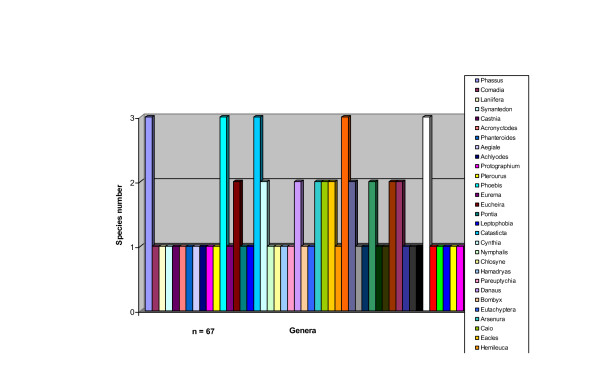
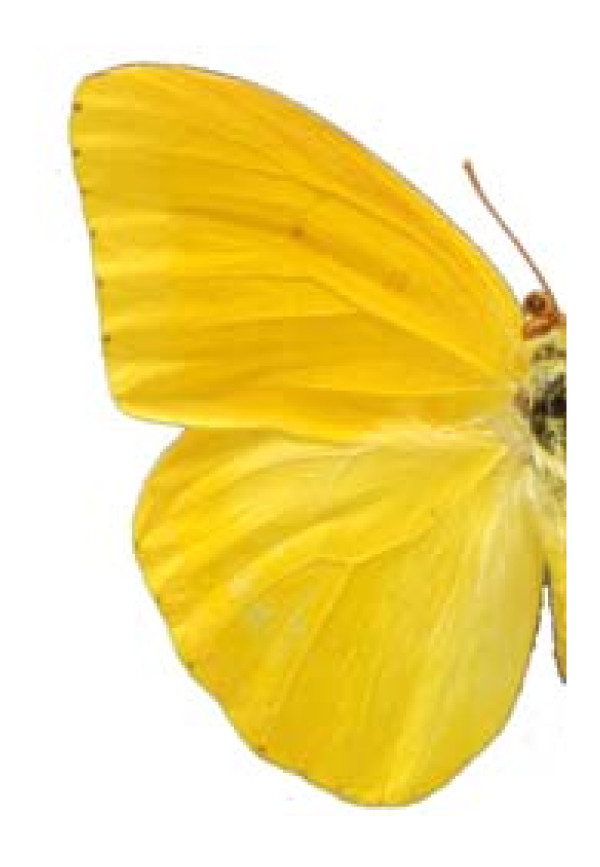
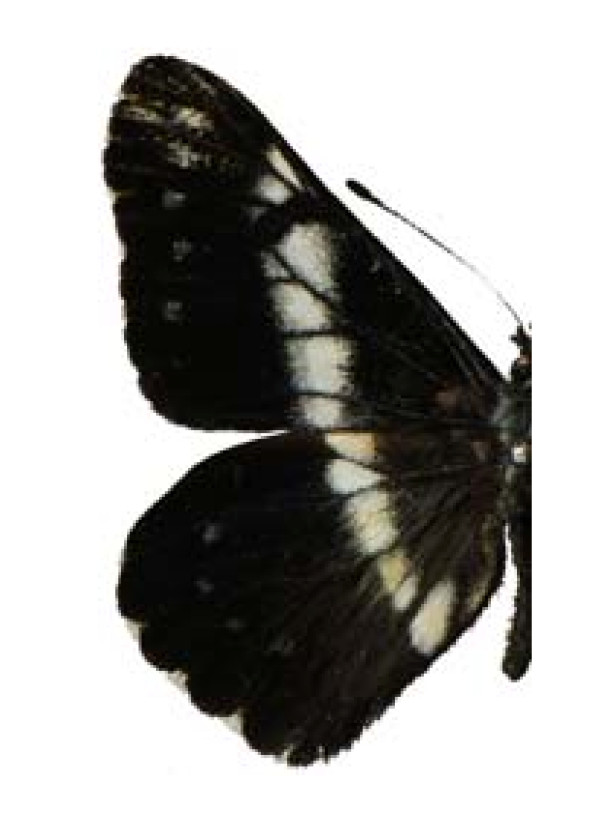
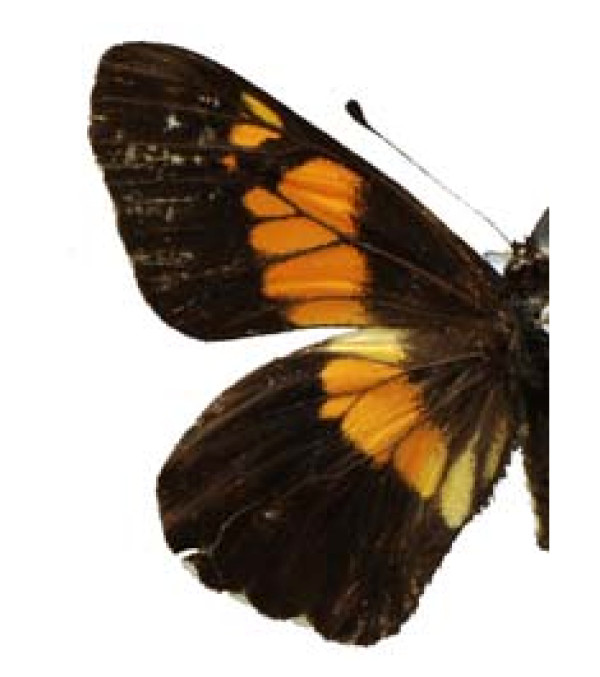
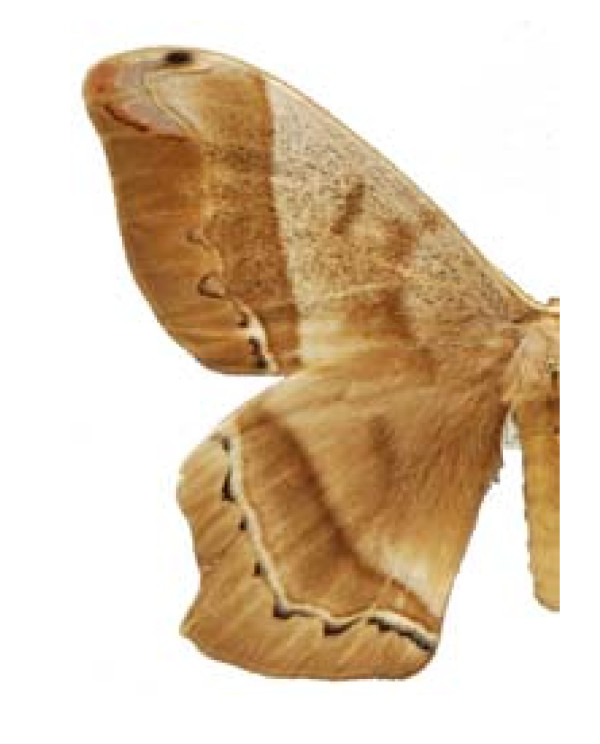
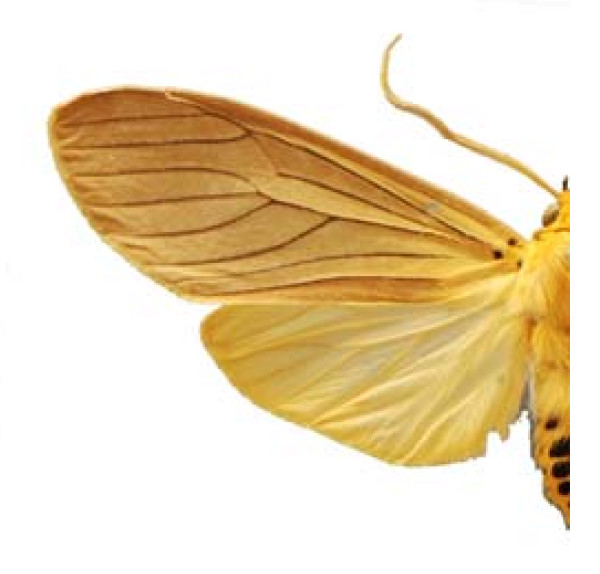
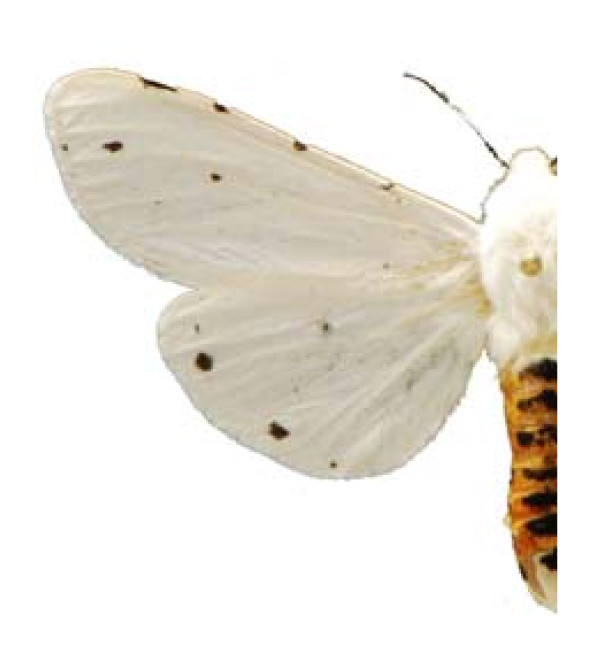
In this paper, we reported the butterflies and moths that are consumed in Mexico. We identified 67 species of Lepidoptera that are eaten principally in their larval stage in 17 states of Mexico. These species belong to 16 families: Arctiidae, Bombycidae, Castniidae, Cossidae, Geometridae, Hepialidae, Hesperiidae, Lasiocampidae, Noctuidae, Nymphalidae, Papilionidae, Pieridae, Pyralidae, Saturniidae, Sesiidae, and Sphingidae.Saturniidae, Pieridae, Noctuidae and Nymphalidae were the more species consumed with 16, 11, 9, and 8 species, respectively. The genera with the largest numbers of species were: Phassus, Phoebis, Hylesia and Spodoptera, with three species.Their local distribution, corresponding to each state of Mexico, is also presented.
Figures




References
-
- Dufour DL. Insects as food: A case of study from the Northwest Amazon. Am Anthropol. 1987;89:383–397. doi: 10.1525/aa.1987.89.2.02a00070. - DOI
-
- Ramos-Elorduy J, Conconi M. Abstracts Fourth Int. Congress of Ethnobiology. Lucknow, India; 1994. Edible insects of the world; p. 311.
-
- Ramos-Elorduy J. Creepy Crawly Cuisine. Rochester, VT: Park Street Press; 1998.
-
- Ramos-Elorduy J. Energy supplied by edible insects from Mexico and their nutritional and ecological importance. Ecol Food Nutr. 2008;47:280–297. doi: 10.1080/03670240701805074. - DOI
-
- Hogue CL. Latin American Insects and Entomology. California: University of California Press, Berkeley; 1993.
MeSH terms
LinkOut - more resources
Full Text Sources
Medical
