Review
. 2011 Feb;14(1):106-14.
doi: 10.1016/j.mib.2010.12.003. Epub 2011 Jan 5.

Modulation of immune homeostasis by commensal bacteria

Affiliations
Review

Modulation of immune homeostasis by commensal bacteria

Ivaylo I Ivanov et al. Curr Opin Microbiol. 2011 Feb.

Abstract

Intestinal bacteria form a resident community that has co-evolved with the mammalian host. In addition to playing important roles in digestion and harvesting energy, commensal bacteria are crucial for the proper functioning of mucosal immune defenses. Most of these functions have been attributed to the presence of large numbers of 'innocuous' resident bacteria that dilute or occupy niches for intestinal pathogens or induce innate immune responses that sequester bacteria in the lumen, thus quenching excessive activation of the mucosal immune system. However it has recently become obvious that commensal bacteria are not simply beneficial bystanders, but are important modulators of intestinal immune homeostasis and that the composition of the microbiota is a major factor in pre-determining the type and robustness of mucosal immune responses. Here we review specific examples of individual members of the microbiota that modify innate and adaptive immune responses, and we focus on potential mechanisms by which such species-specific signals are generated and transmitted to the host immune system.


Figures

Figure 1
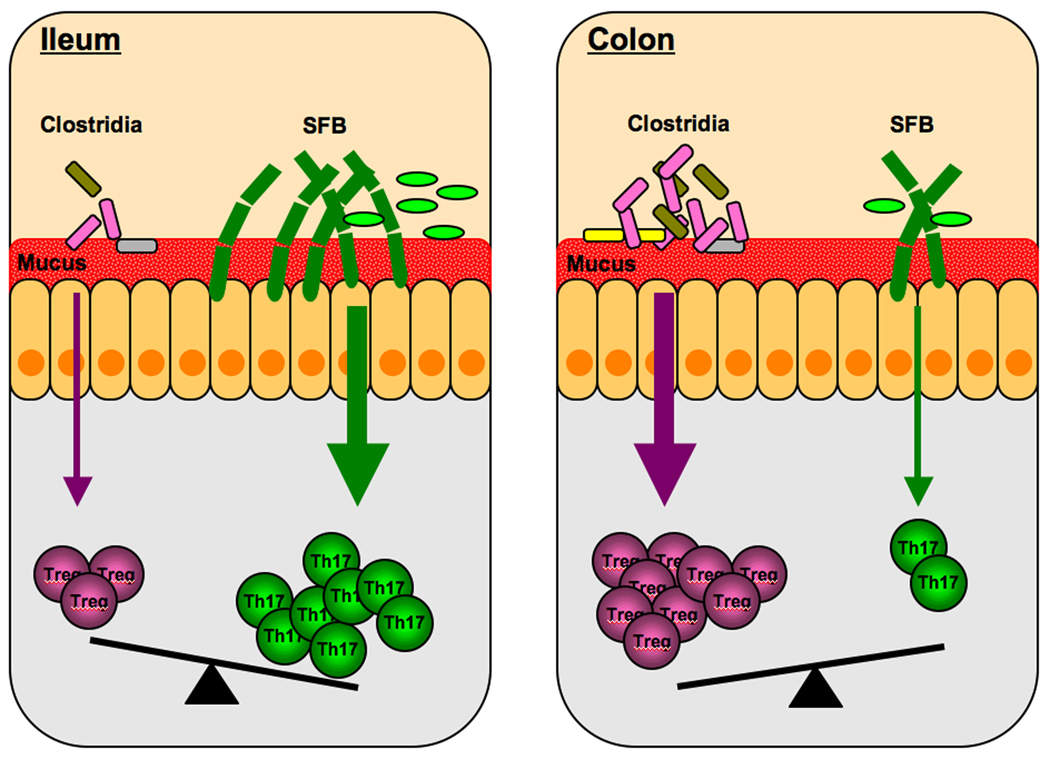
Figure 1. Immunomodulatory commensal species control the Th17:Treg balance
The balance between Th17 cells and Treg in the lamina propria is controlled by the relative representation of Th17 cell inducing species of the microbiota, such as SFB, and Treg inducing species, such as Clostridia from clusters IV and XIVa. In the small intestine, SFB, and possibly other unidentified Th17 cell-inducing commensal species, are overrepresented and Clostridia underrepresented, which leads to an abundance of Th17 cells in this location [43••]. Clostridia colonize preferentially cecum and colon, where they are responsible for the overwhelming representation of Treg [53••]. In this way, the composition of the microbiota directs the nature of the immune response in these two locations.
Figure 2
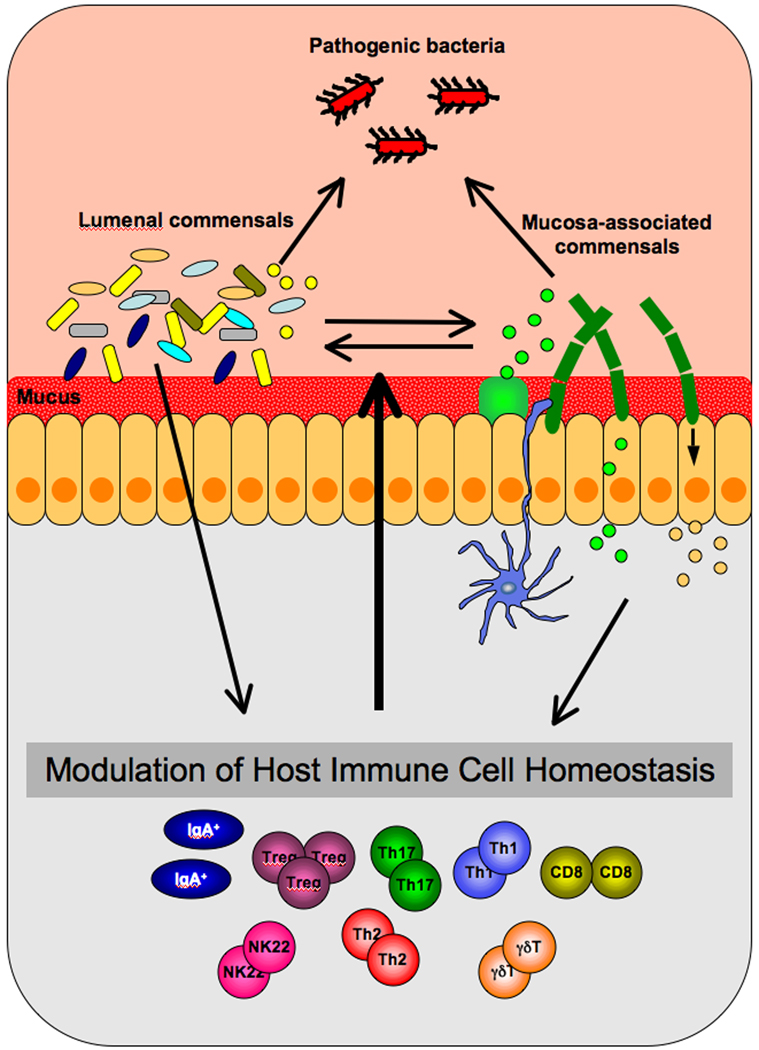
Figure 2. Modulation of immune homeostasis by signals from commensal bacteria
Most commensals cannot penetrate the mucus barrier. However, certain members of the microbiota, such as segmented filamentous bacteria (SFB), can reach the epithelial surface and establish direct contact with the host tissue. SFB and other mucosa-associated bacteria may therefore engage receptors and downstream signaling pathways in intestinal epithelial cells (IECs) that can lead to the production of IEC cytokines. In addition, mucosa-associated bacteria may be readily detected by interdigitating dendritic cells. Both types of commensals may exercise their immunomodulatory effects through the secretion of specific metabolites. These metabolites would in turn engage IEC receptors or translocate to the lamina propria. They may also diffuse in the mucus layer and modify its local composition or affect signals from other commensal or pathogenic bacteria. Ultimately the integration of signals from multiple microbiota components can affect the homeostasis of effector immune cells in the lamina propria, which will dictate the nature of the host immune response during an environmental challenge, such as intestinal infection. Signals from immune cells in the lamina propria in turn affect microbiota composition and function in the lumen to help establish mutualism, immune balance and an individual’s level of protection.

References

    1. Schneider DS, Ayres JS. Two ways to survive infection: what resistance and tolerance can teach us about treating infectious diseases. Nat Rev Immunol. 2008;8:889–895. - PMC - PubMed
    1. Hooper LV, Macpherson AJ. Immune adaptations that maintain homeostasis with the intestinal microbiota. Nat Rev Immunol. 2010;10:159–169. - PubMed
    1. Konrad A, Cong Y, Duck W, Borlaza R, Elson CO. Tight mucosal compartmentation of the murine immune response to antigens of the enteric microbiota. Gastroenterology. 2006;130:2050–2059. - PubMed
    1. Macpherson AJ, Uhr T. Induction of protective IgA by intestinal dendritic cells carrying commensal bacteria. Science. 2004;303:1662–1665. - PubMed
    1. Hooper LV, Wong MH, Thelin A, Hansson L, Falk PG, Gordon JI. Molecular analysis of commensal host-microbial relationships in the intestine. Science. 2001;291:881–884. - PubMed

Publication types