


(+)-Arisugacin A--computational evidence of a dual binding site covalent inhibitor of acetylcholinesterase
- PMID: 21216144
- PMCID: PMC3082004
- DOI: 10.1016/j.bmcl.2010.12.041
(+)-Arisugacin A--computational evidence of a dual binding site covalent inhibitor of acetylcholinesterase
Abstract
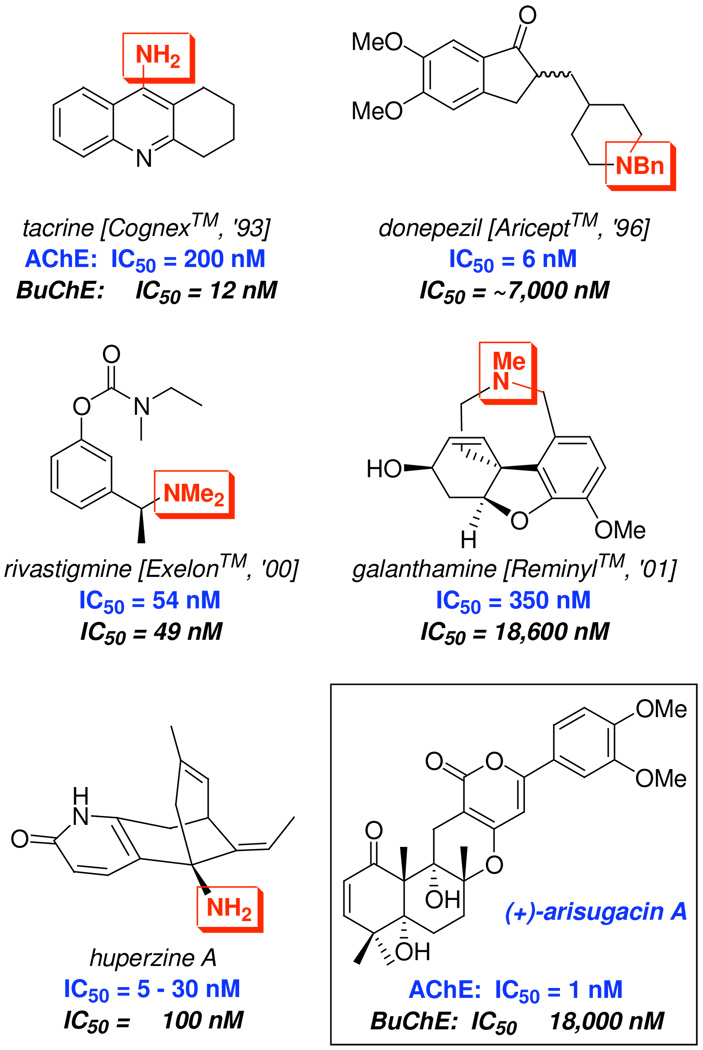
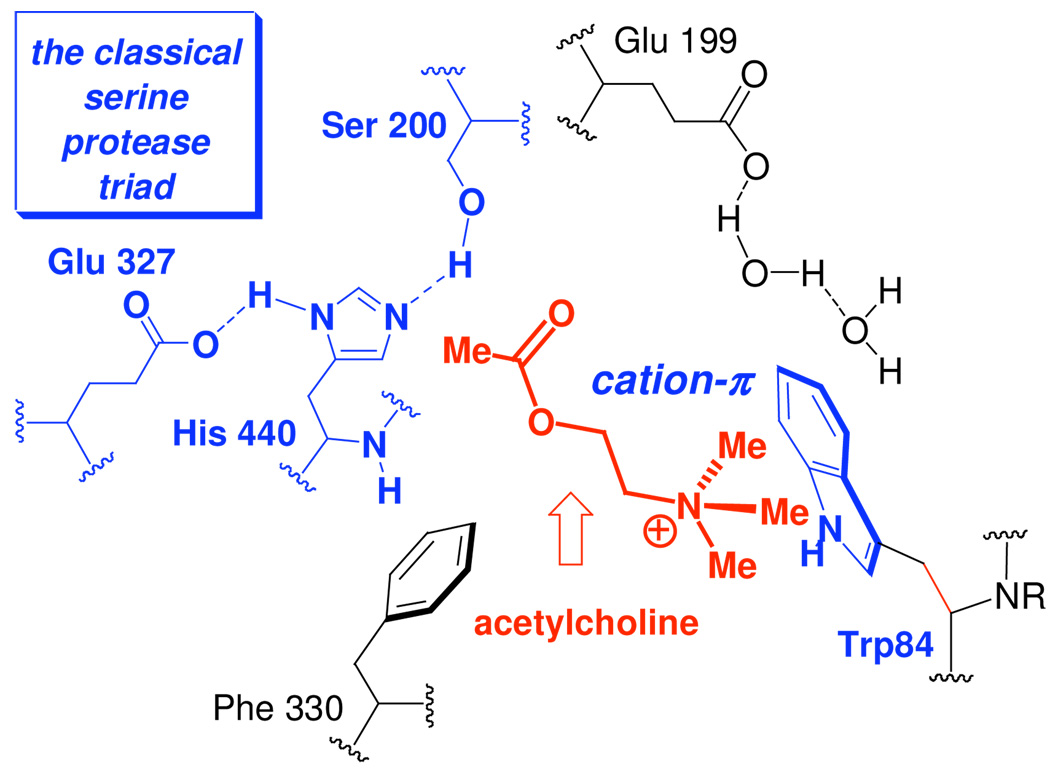
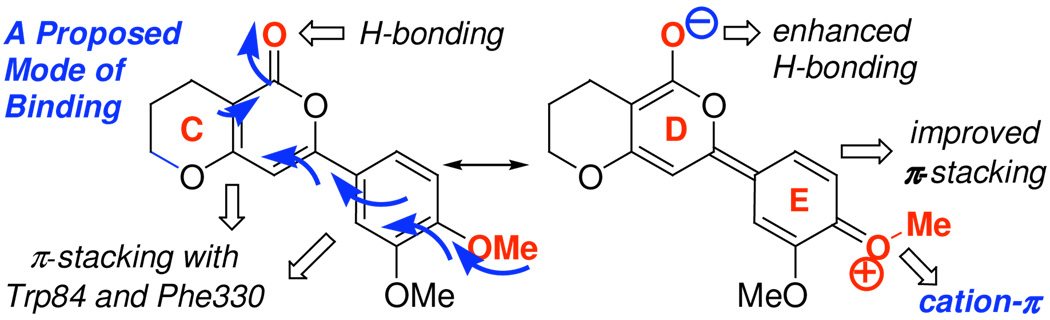
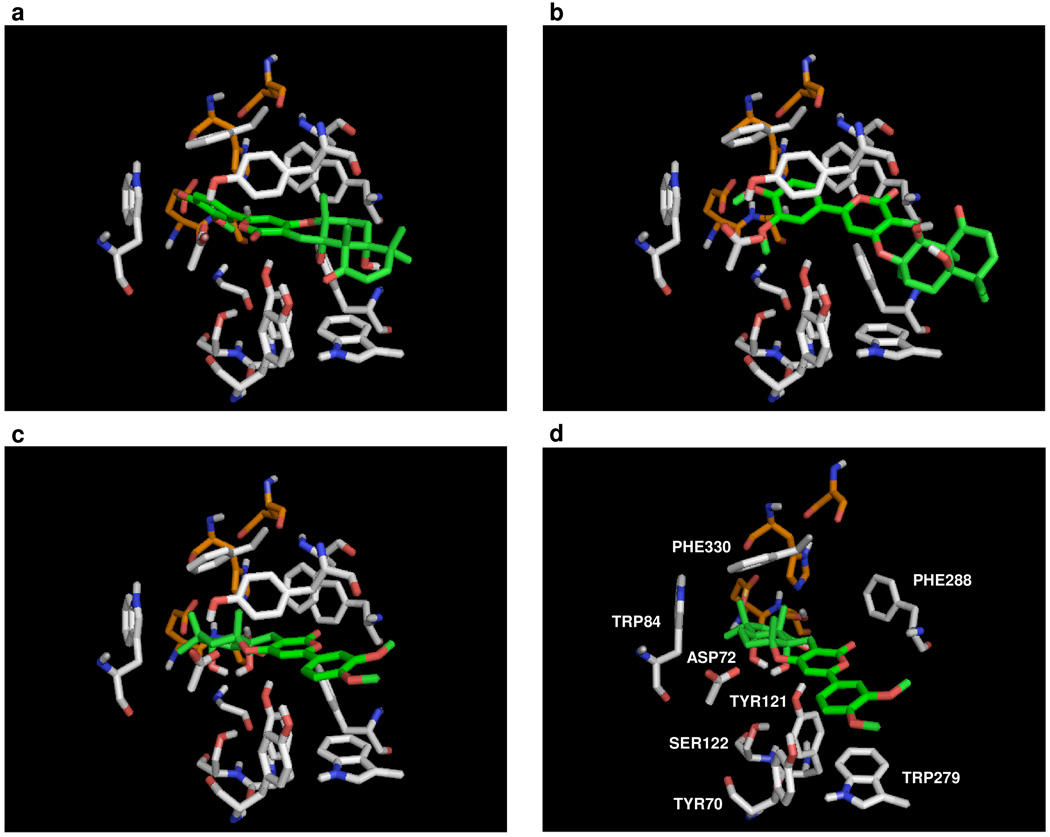
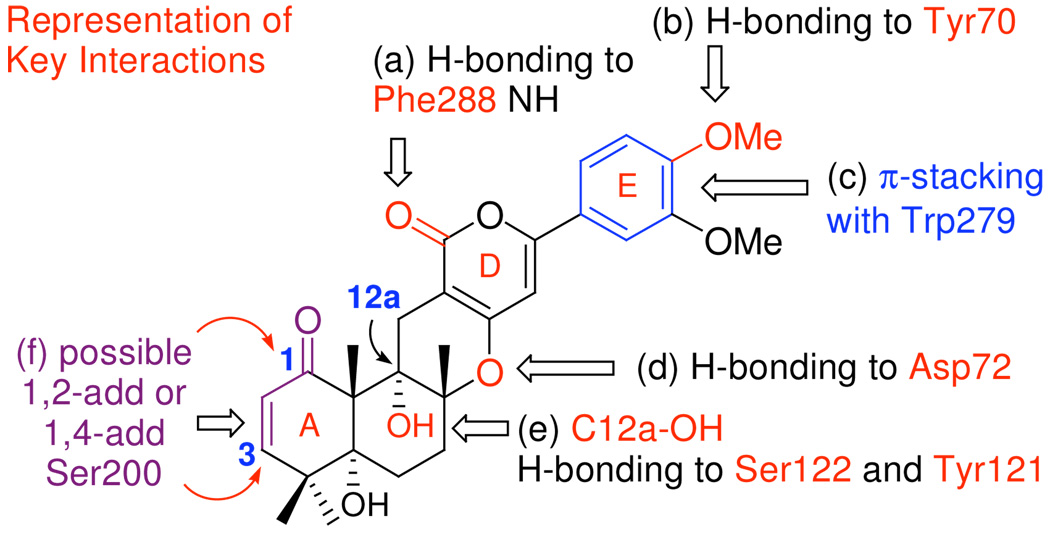
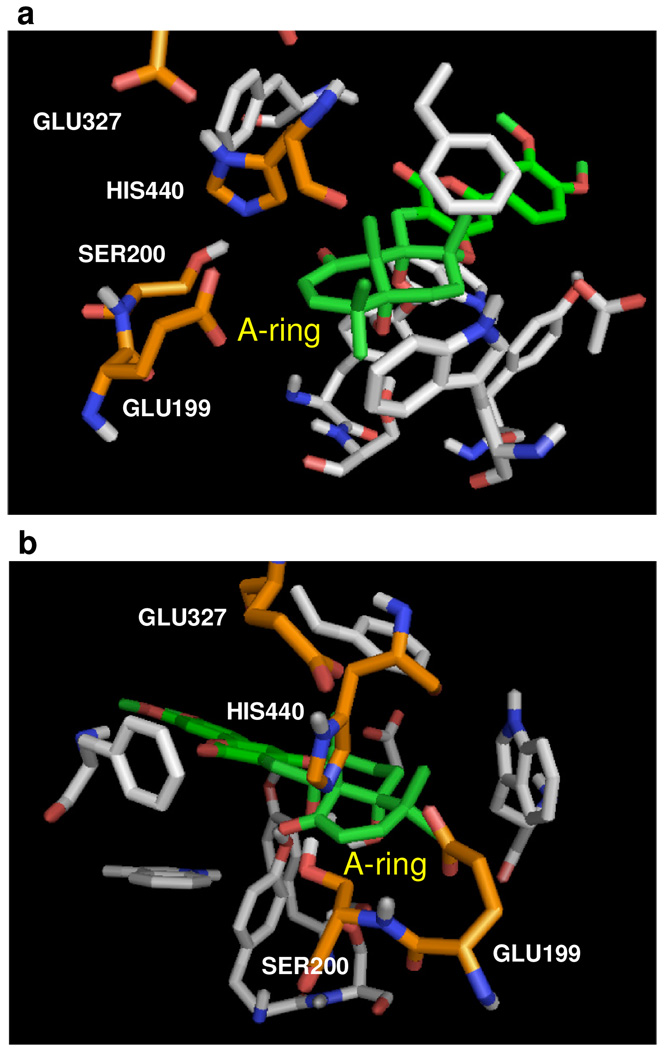
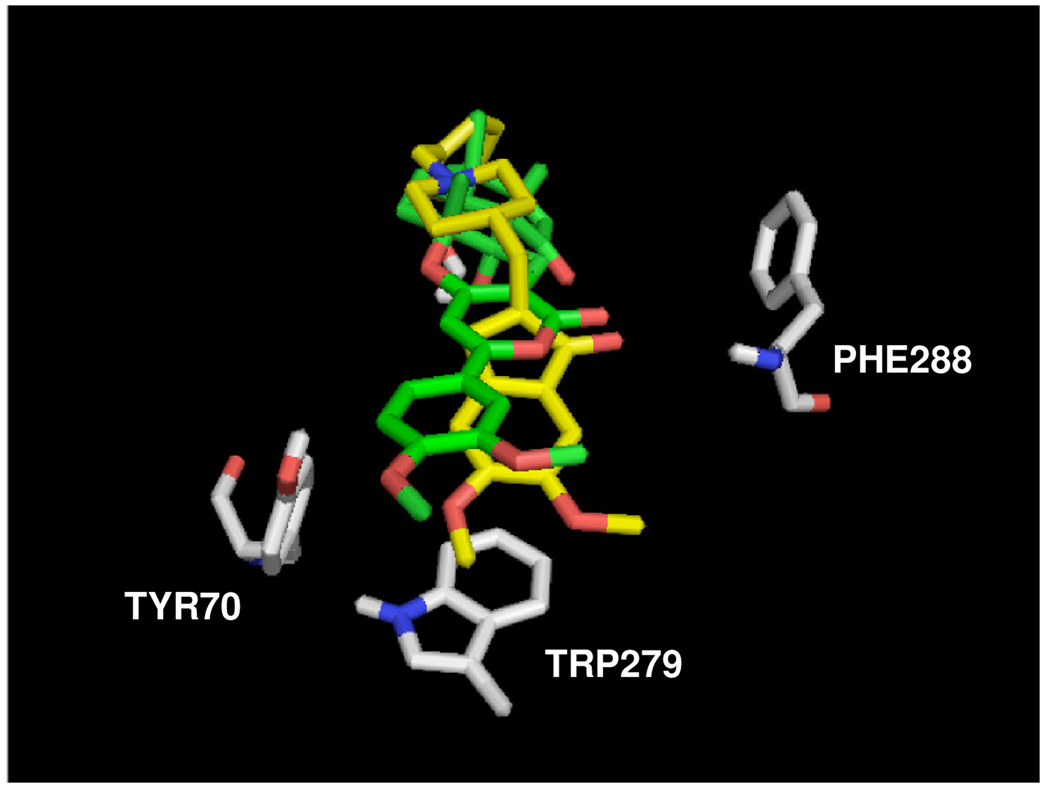
A computation docking study of the highly potent, non-nitrogen containing, acetylcholinesterase inhibitor (+)-arisugacin A is presented. The model suggests that (+)-arisugacin A is a dual binding site covalent inhibitor of AChE. These findings are examined in the context of Alzheimer's disease-modifying therapeutic design. (+)-Arisugacin A's revealed mode of action is unique, and may serve as a basis for the development of AD therapeutics capable of treating the symptomatic aspects of AD, while being neuroprotective with long term efficacy.
Copyright © 2010 Elsevier Ltd. All rights reserved.
Figures
References
-
- Alzheimer A. Gesamte Psychiatrie. 1907;64:1264.
-
-
For a census study on the prevalence of dimentia, see: Ferri CP, Prince M, Brayne C, Brodaty H, Fratiglioni L, Ganguli M, Hall K, Hasegawa K, Hendrie H, Huang Y, Jorm A, Mathers C, Menezes PR, Rimmer E, Scazufca M. Lancet. 2005;366:2112.
-
-
-
For general reviews on therapeutic treatment of Alzheimer's disease, see: Giacobini E. In: Cognitive Enhancing Drugs. Buccafusco JJ, editor. Basel–Boston–Berlin: Birkhauser; 2004. pp. 11–36. Giacobini E, Spiegel R, Enz A, Veroff AE, Cutler RE. J. Neural Transm. 2002;109:1053. Giacobini E, Becker R, editors. Alzheimer's Disease: From Molecular Biology to Therapy. Boston: Birkhauser; 1997. John V, Lieberburg I, Thorsett ED. Ann. Rep. Med. Chem. 1993;28:197.
-
-
-
For a review of the Amyloid Hypothesis, see: Hardy J, Selkoe DJ. Science. 2002;297:353.
-
-
-
For references on β-amyloid targeting, see: Melnikova I. Nat. Rev. Drug Discov. 2007;6:341. Skovronsky DM, Lee VM-Y, Trojanowski JQ. Annu. Rev. Pathol. Mech. Dis. 2006;1:151. Saido TC, Iwata N. Neurosci. Res. 2006;54:235.
-
Publication types
MeSH terms
Substances
Grants and funding
LinkOut - more resources
Full Text Sources
Chemical Information
