


Deoxynivalenol and its toxicity
- PMID: 21217881
- PMCID: PMC2984136
- DOI: 10.2478/v10102-010-0019-x
Deoxynivalenol and its toxicity
Abstract
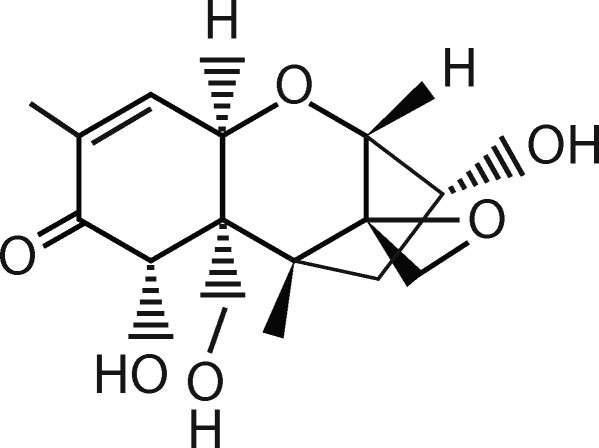
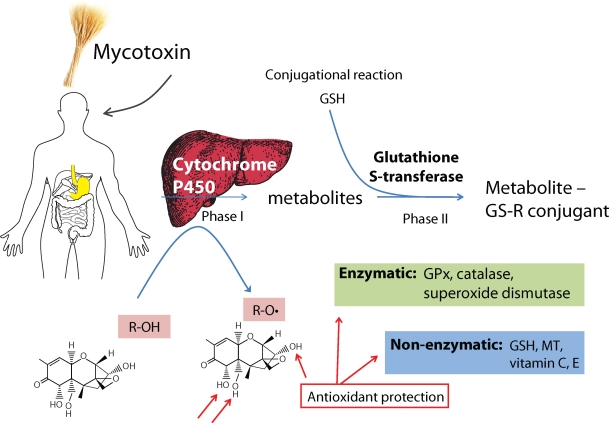
Deoxynivalenol (DON) is one of several mycotoxins produced by certain Fusarium species that frequently infect corn, wheat, oats, barley, rice, and other grains in the field or during storage. The exposure risk to human is directly through foods of plant origin (cereal grains) or indirectly through foods of animal origin (kidney, liver, milk, eggs). It has been detected in buckwheat, popcorn, sorgum, triticale, and other food products including flour, bread, breakfast cereals, noodles, infant foods, pancakes, malt and beer. DON affects animal and human health causing acute temporary nausea, vomiting, diarrhea, abdominal pain, headache, dizziness, and fever. This review briefly summarizes toxicities of this mycotoxin as well as effects on reproduction and their antagonistic and synergic actions.
Keywords: Deoxynivalenol (DON); Fusarium; grain; mycotoxin; toxicity.
Figures
References
-
- Bony S, Olivier-Loiseau L, Carcelen M, Devaux A. Genotoxic potential associated with low levels of the Fusarium mycotoxins nivalenol and fusarenon X in a human intestinal cell line. Toxicol Vitro. 2007;21:457–465. - PubMed
-
- Coffey R, Cummins E. An exposure assesment of mycotoxins from feed-to-food in dairy milk. Ghent: Eurosis; 2008.
-
- Doll S, Danicke S, Valenta H. Residues of deoxynivalenol (DON) in pig tissue after feeding mash or pellet diets containing low concentrations. Mol Nutr Food Res. 2008;52:727–734. - PubMed
-
- Forsell JH, Jensen R, Tai JH, Witt M, Lin WS, Pestka JJ. Comparison of acute toxicities od deoxynivalenol (vomitoxin) and 15-acetyldeoxynivalenol in the B6C3F1 mouse. Food Chem Toxicol. 1987;25:155–162. - PubMed
LinkOut - more resources
Full Text Sources
Other Literature Sources