


Mechanical stimuli differentially control stem cell behavior: morphology, proliferation, and differentiation
- PMID: 21253809
- PMCID: PMC3208754
- DOI: 10.1007/s10237-010-0285-8
Mechanical stimuli differentially control stem cell behavior: morphology, proliferation, and differentiation
Abstract
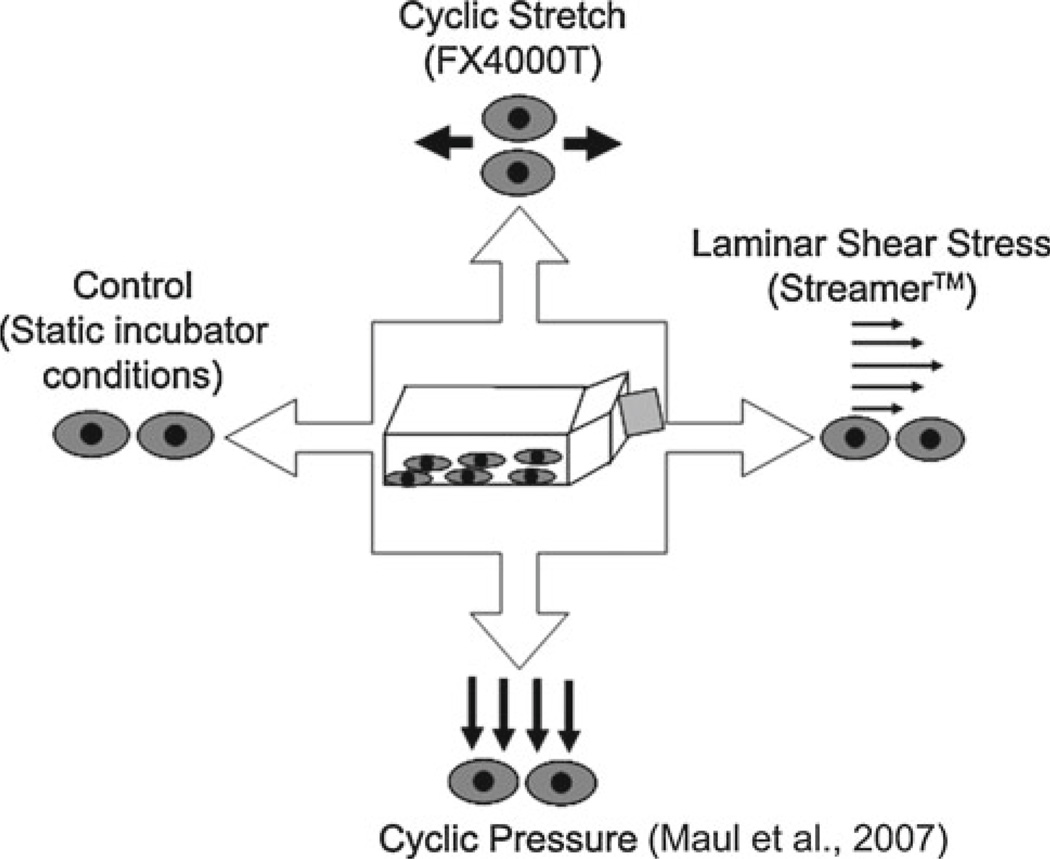
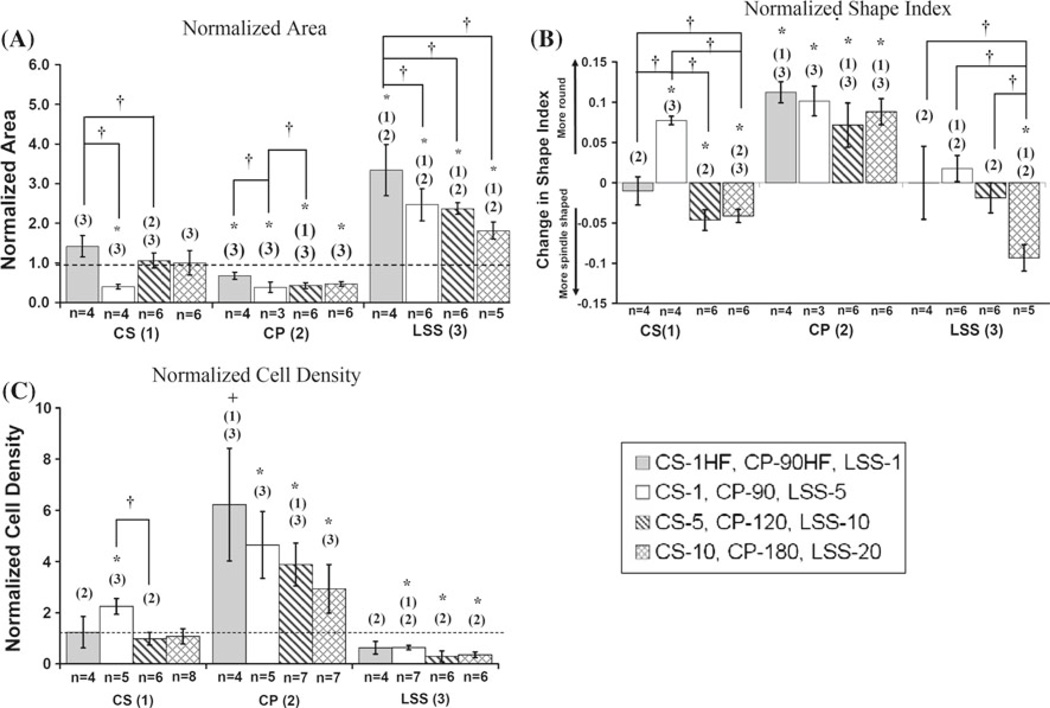
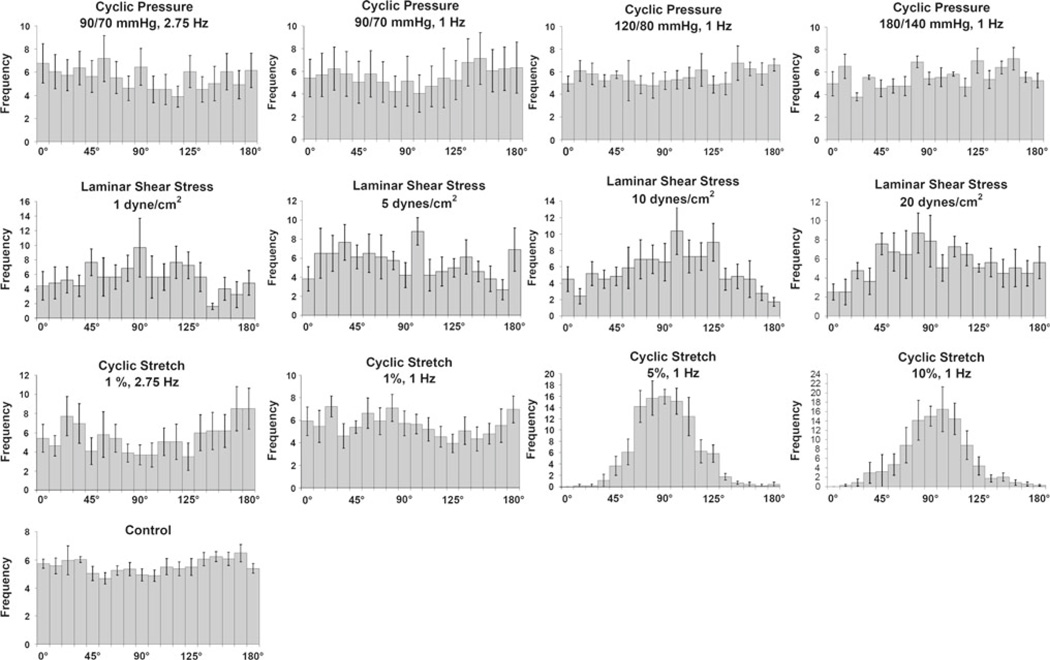
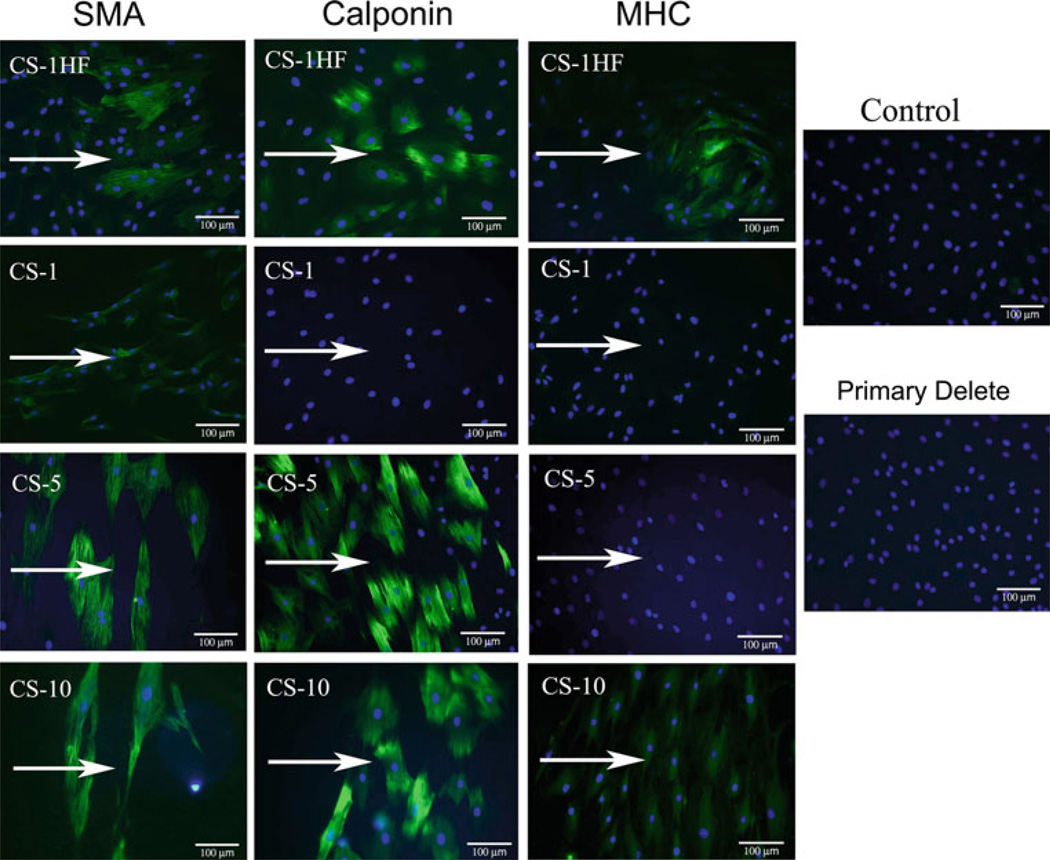
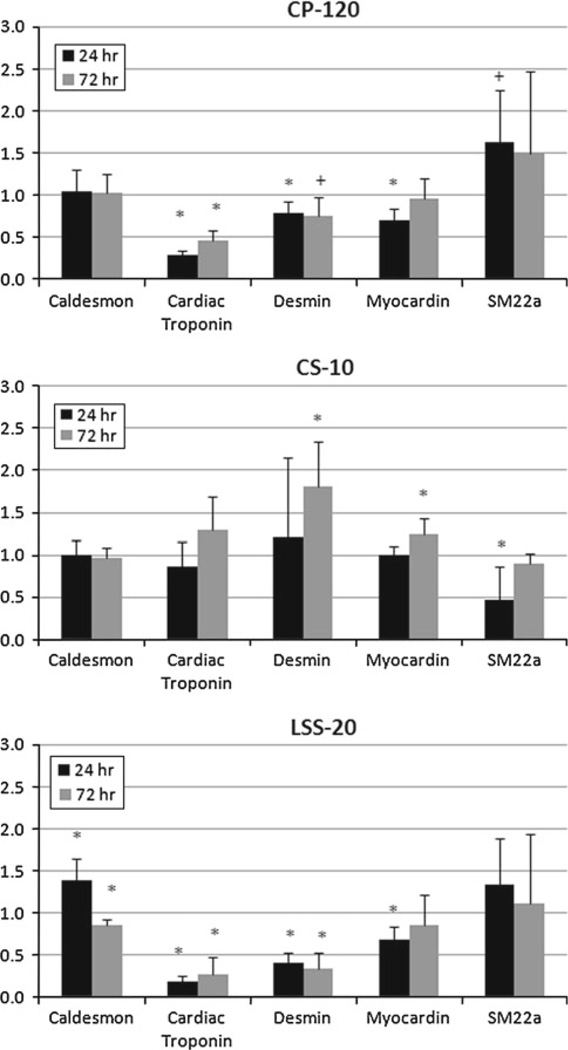
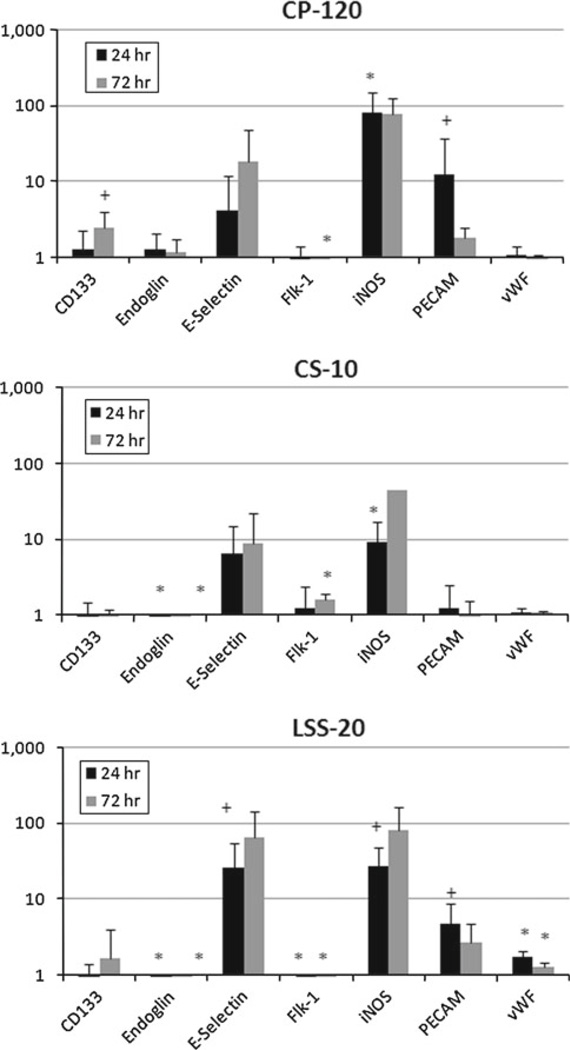
Mesenchymal stem cell (MSC) therapy has demonstrated applications in vascular regenerative medicine. Although blood vessels exist in a mechanically dynamic environment, there has been no rigorous, systematic analysis of mechanical stimulation on stem cell differentiation. We hypothesize that mechanical stimuli, relevant to the vasculature, can differentiate MSCs toward smooth muscle (SMCs) and endothelial cells (ECs). This was tested using a unique experimental platform to differentially apply various mechanical stimuli in parallel. Three forces, cyclic stretch, cyclic pressure, and laminar shear stress, were applied independently to mimic several vascular physiologic conditions. Experiments were conducted using subconfluent MSCs for 5 days and demonstrated significant effects on morphology and proliferation depending upon the type, magnitude, frequency, and duration of applied stimulation. We have defined thresholds of cyclic stretch that potentiate SMC protein expression, but did not find EC protein expression under any condition tested. However, a second set of experiments performed at confluence and aimed to elicit the temporal gene expression response of a select magnitude of each stimulus revealed that EC gene expression can be increased with cyclic pressure and shear stress in a cell-contact-dependent manner. Further, these MSCs also appear to express genes from multiple lineages simultaneously which may warrant further investigation into post-transcriptional mechanisms for controlling protein expression. To our knowledge, this is the first systematic examination of the effects of mechanical stimulation on MSCs and has implications for the understanding of stem cell biology, as well as potential bioreactor designs for tissue engineering and cell therapy applications.
Figures
References
-
- Akimoto S, Mitsumata M, Sasaguri T, Yoshida Y. Laminar shear stress inhibits vascular endothelial cell proliferation by inducing cyclin-dependent kinase inhibitor p21(sdi1/cip1/waf1) Circ Res. 2000;86(2):185–190. - PubMed
-
- Angele P, Yoo JU, Smith C, Mansour J, Jepsen KJ, Nerlich M, Johnstone B. Cyclic hydrostatic pressure enhances the chondrogenic phenotype of human mesenchymal progenitor cells differentiated in vitro. J Orthop Res. 2003;21(3):451–457. - PubMed
-
- Butler WT. The nature and significance of osteopontin. Connect Tissue Res. 1989;23(2–3):123–136. - PubMed
-
- Cappadona C, Redmond EM, Theodorakis NG, McKillop IH, Hendrickson R, Chhabra A, Sitzmann JV, Cahill PA. Phe-notype dictates the growth response of vascular smooth muscle cells to pulse pressure in vitro. Exp Cell Res. 1999;250(1):174–186. - PubMed
-
- Chen J, Kitchen CM, Streb JW, Miano JM. Myocardin: a component of a molecular switch for smooth muscle differentiation. J Mol Cell Cardiol. 2002;34(10):1345–1356. - PubMed
Publication types
MeSH terms
Substances
Grants and funding
LinkOut - more resources
Full Text Sources
Other Literature Sources
