. 2011 Mar 15;71(6):2371-80.
doi: 10.1158/0008-5472.CAN-10-2299. Epub 2011 Jan 24.

Activation of the aryl hydrocarbon receptor AhR Promotes retinoic acid-induced differentiation of myeloblastic leukemia cells by restricting expression of the stem cell transcription factor Oct4

Affiliations

Activation of the aryl hydrocarbon receptor AhR Promotes retinoic acid-induced differentiation of myeloblastic leukemia cells by restricting expression of the stem cell transcription factor Oct4

Rodica P Bunaciu et al. Cancer Res. .

Abstract

Retinoic acid (RA) is used to treat leukemia and other cancers through its ability to promote cancer cell differentiation. Strategies to enhance the anticancer effects of RA could deepen and broaden its beneficial therapeutic applications. In this study, we describe a receptor cross-talk system that addresses this issue. RA effects are mediated by RAR/RXR receptors that we show are modified by interactions with the aryl hydrocarbon receptor (AhR), a protein functioning both as a transcription factor and a ligand-dependent adaptor in an ubiquitin ligase complex. RAR/RXR and AhR pathways cross-talk at the levels of ligand-receptor and also receptor-promoter interactions. Here, we assessed the role of AhR during RA-induced differentiation and a hypothesized convergence at Oct4, a transcription factor believed to maintain stem cell characteristics. RA upregulated AhR and downregulated Oct4 during differentiation of HL-60 promyelocytic leukemia cells. AhR overexpression in stable transfectants downregulated Oct4 and also decreased ALDH1 activity, another stem cell-associated factor, enhancing RA-induced differentiation as indicated by cell differentiation markers associated with early (CD38 and CD11b) and late (neutrophilic respiratory burst) responses. AhR overexpression also increased levels of activated Raf1, which is known to help propel RA-induced differentiation. RNA interference-mediated knockdown of Oct4 enhanced RA-induced differentiation and G(0) cell-cycle arrest relative to parental cells. Consistent with the hypothesized importance of Oct4 downregulation for differentiation, parental cells rendered resistant to RA by biweekly high RA exposure displayed elevated Oct4 levels that failed to be downregulated. Together, our results suggested that therapeutic effects of RA-induced leukemia differentiation depend on AhR and its ability to downregulate the stem cell factor Oct4.


Figures

Figure 1
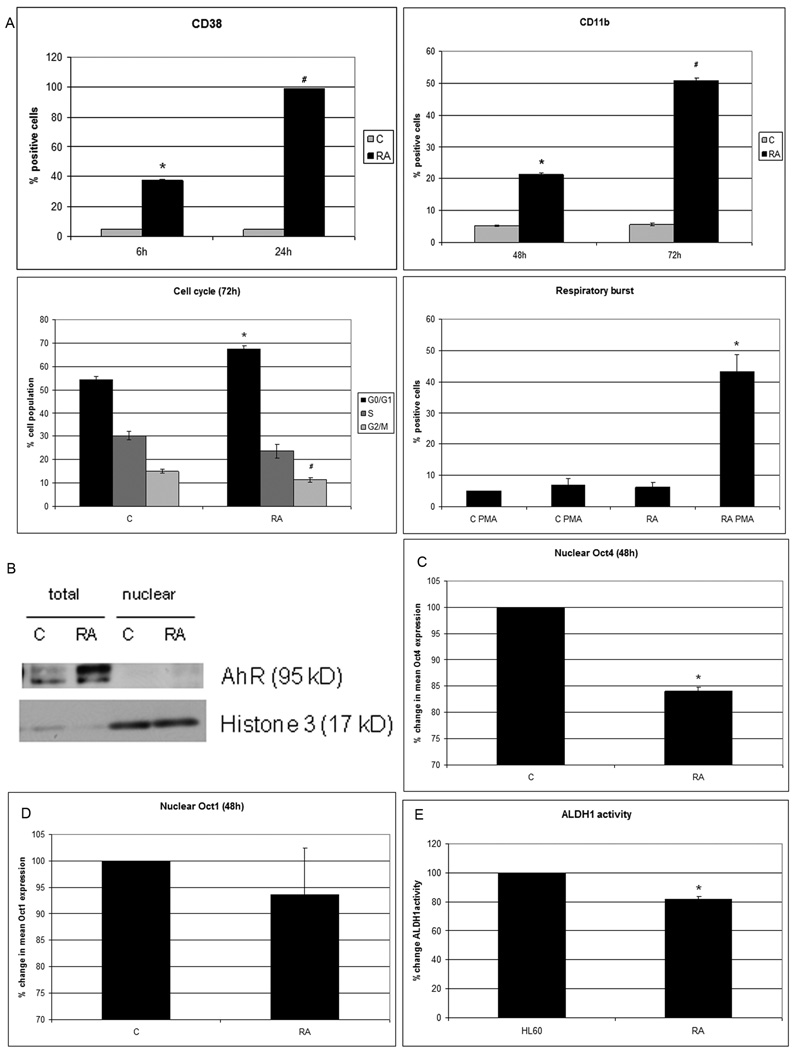
Figure 1. RA induces differentiation, AhR upregulation and Oct4 downregulation
A.CD38 expression (assessed with PE-conjugated antibody) at 6 and 24h post-treatment is significantly induced by RA (P<0.0005). CD11b expression (assessed with APC-conjugated antibody) at 48 and 72h post-treatment is significantly induced by RA (P<0.0005). Flow cytometric assay of live cells was performed setting the logical gate to exclude 95% of the untreated cells (CD38 and CD11b detection). RA induces a significant (p<0.05) G0 cell cycle arrest compared to control. G2/M accumulation is significantly decreased by RA (p=0.01) as shown by flow cytometry of DNA stained nuclei. Inducible oxidative metabolism is increased by RA (p=0.03) Flow cytometric assay of live cells was performed setting the logical gate to exclude 95% of the untreated cells. B. AhR protein is upregulated and post-transcriptional modified by RA treatment as showed 72h post treatment by Western blot. AhR appear to largely reside in the cytosol. C. Nuclear Oct4 protein of G0 nuclei is significantly decreased (p<0.005, 48h after treatment). D. Nuclear Oct1 protein level is unchanged by RA (as shown at 48h). The results of flow cytometric analysis of paraformaldehyde fixed cells are expressed as mean fluorescence of the entire population (C and D). E. Aldehyde dehydrogenase1 activity is significantly lower (p=0.01) in the cells treated with RA compared to control cells, The results of flow cytometric analysis of live cells are expressed as mode fluorescence of the entire population.
Figure 2
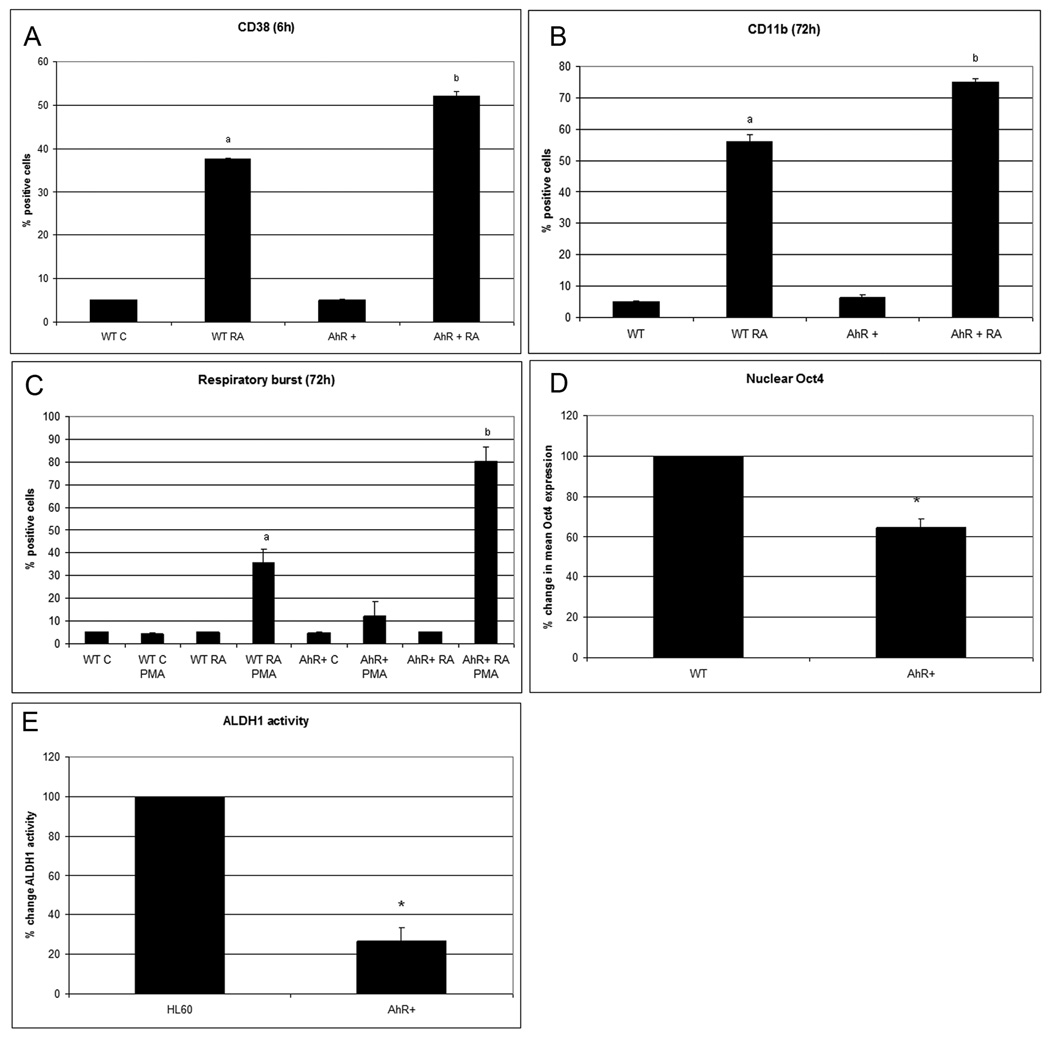
Figure 2. AhR upregulation correlates with propelled differentiation and decreased nuclear Oct4 levels
AhR overexpressors treated with RA present A. CD38 (6 h; p<0.005), B.CD11b (72h p=0.012), C. respiratory burst (72h p=0.02) faster than wild type cells treated with RA. Flow cytometric assay of live cells was performed setting the logical gate to exclude 95% of the untreated cells (A–C). D. Nuclear Oct4 protein levels are downregulated in AhR overexpressors compared to wild type in cultures at the same cell density (p<0.005). The results of flow cytometric analysis of paraformaldehyde fixed cells are expressed as mean fluorescence of the entire population. E. Aldehyde dehydrogenase1 enzymatic activity is significantly lower (p=0.0079) in AhR overexpressors compared to wild type cells.
Figure 3
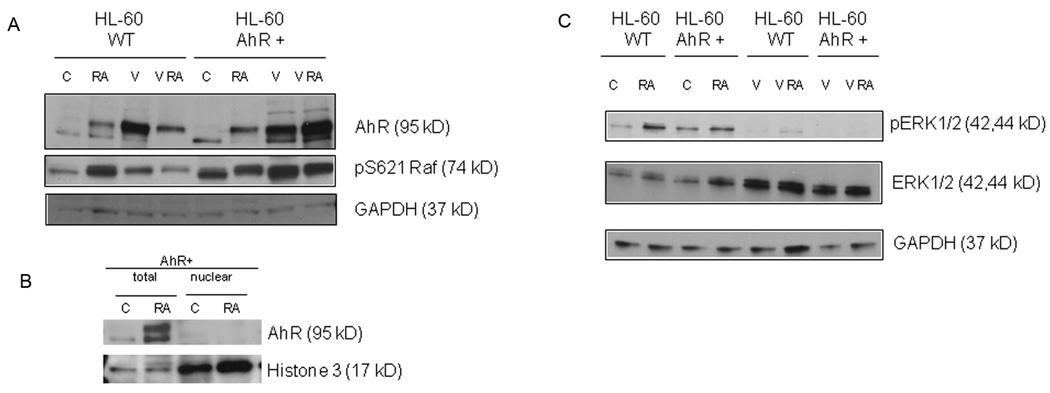
Figure 3. AhR upregulation leads to increased Raf pS621 phosphorylation and decreased ERK1/2 phosphorylation
Cell lysates collected 48h after RA treatment (52 h after valproic acid (V)treatment) were resolved on 7.5% gel for AhR detection and 12% gel for all the other proteins. 25 µg protein was loaded per well. For treatment, RA final concentration was 1 µM and V was 1 mM. A. AhR protein levels and pS621 Raf are increased in overexpressors nontreated and in RA and/or V treated cells. B. AhR protein is upregulated and post-transcriptional modified by RA treatment as showed 72h post treatment by Western blot. AhR appear to largely reside in the cytosol. C. Valproic acid antagonizes ERK phosphorylation.
Figure 4
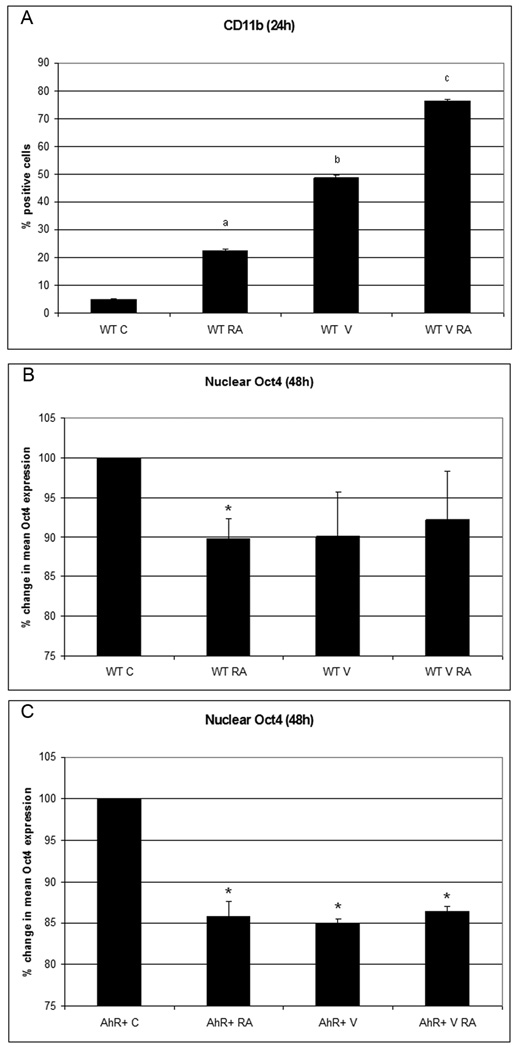
Figure 4. AhR chemically induced propels differentiation and blunts Oct4 levels in HL-60 cells
A. Valproic acid by itself (P<0.005 compared to non treated cells) and with RA (p<0.005 compared to RA treated cells) augments integrin receptor CD11b (24h post treatment). Flow cytometric assay of live cells was performed setting the logical gate to exclude 95% of the untreated cells. Valproic acid by itself blunts Oct4 expression at a level comparable to RA –downregulated Oct4 levels (as shown 48h post-treatment), both in the wild type (panel B) and AhR overexpressors (panel C). The results of flow cytometric analysis of paraformaldehyde fixed cells are expressed as mean fluorescence of the entire population.
Figure 5
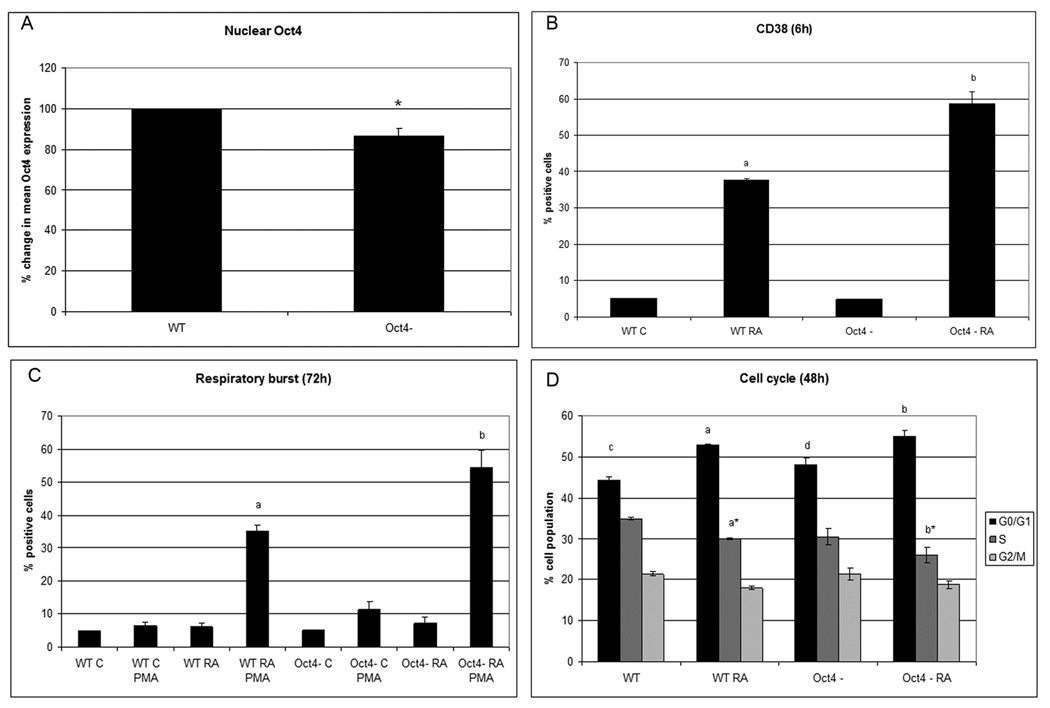
Figure 5. Oct4 is instrumental in propelling differentiation
A. confirms Oct4 downregulation in Oct4 knockdown cells. The results of flow cytometric analysis of paraformaldehyde fixed cells are expressed as mean fluorescence of the entire population. B. 6 h after RA treatment a significantly greater number of cells (P<0.05) expressed CD38. C. Oxidative metabolism is enhanced in Oct4 knockdowns (p= 0.03). Flow cytometric assay of live cells was performed setting the logical gate to exclude 95% of the untreated cells (B. and C.) D. Oct4 downregulation increases the percentage of cells in G0 -with no treatment p =0.01 (c vs. d) or with RA treatment p=0.015 (a vs. b) at 48h. In RA treated cells, S is significantly lower in Oct4 knockdowns. (flow cytometry of PI labeled nuclei).
Figure 6
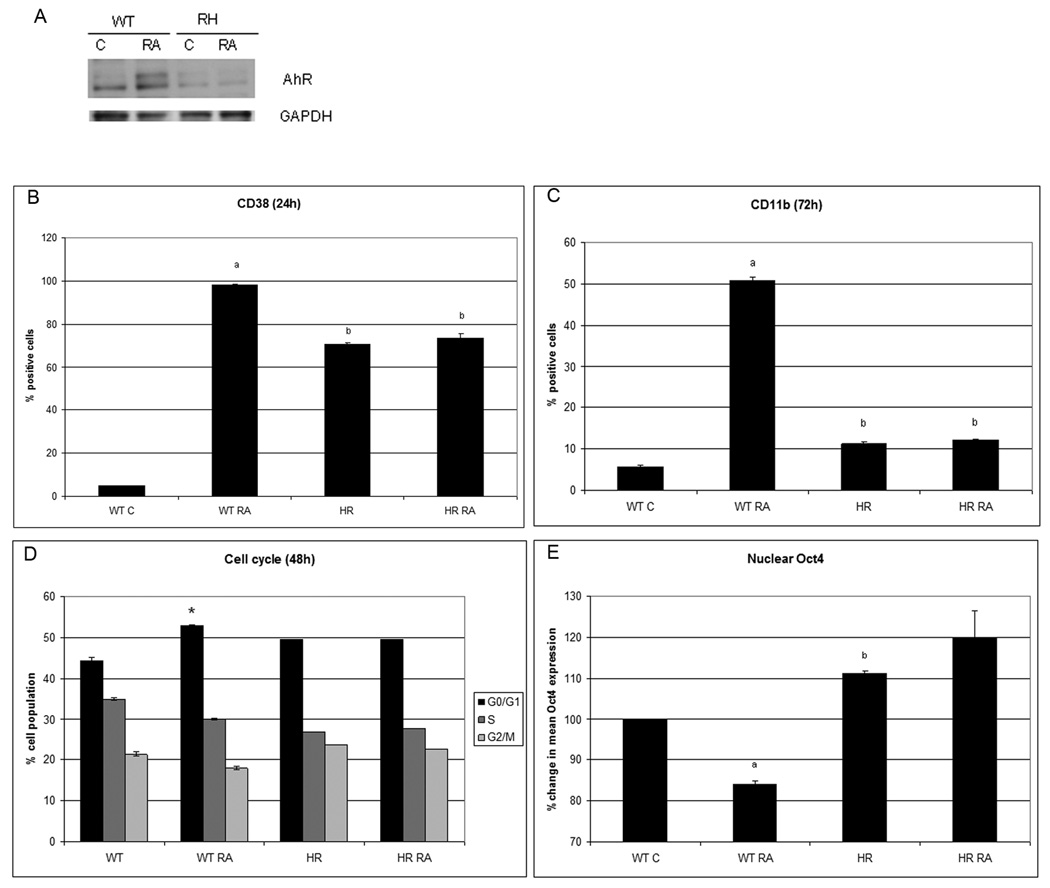
Figure 6. RA resistant cells
had low levels of AhR and RA treatment did not upregulate AhR (A), did not change the CD38 at 24h (B) and CD11b at 72h (C) levels, neither the cell cycle phase distribution (D) and present higher nuclear Oct4 basal levels than wild type cells (E) (flow cytometry).

References

    1. Hansen LA, Sigman CC, Andreola F, Ross SA, Kelloff GJ, De Luca LM. Retinoids in chemoprevention and differentiation therapy. Carcinogenesis. 2000;21(7):1271–1279. - PubMed
    1. Hittelman WN, Liu DD, Kurie JM, et al. Proliferative changes in the bronchial epithelium of former smokers treated with retinoids. Journal of the National Cancer Institute. 2007;99(21):1603–1612. - PMC - PubMed
    1. Moriwaki H, Shimizu M, Okuno M, Nishiwaki-Matsushima R. Chemoprevention of liver carcinogenesis with retinoids: Basic and clinical aspects. Hepatol Res. 2007;37 Suppl 2:S299–S302. - PubMed
    1. Hall JM, Barhoover MA, Kazmin D, McDonnell DP, Greenlee WF, Thomas RS. Activation of the aryl-hydrocarbon receptor inhibits invasive and metastatic features of human breast cancer cells and promotes breast cancer cell differentiation. Mol Endocrinol. 2010;24(2):359–369. - PMC - PubMed
    1. Fan Y, Boivin GP, Knudsen ES, Nebert DW, Xia Y, Puga A. The aryl hydrocarbon receptor functions as a tumor suppressor of liver carcinogenesis. Cancer research. 2010;70(1):212–220. - PMC - PubMed

Publication types

MeSH terms