


Self-rated health, ethnicity and social position in a deprived neighbourhood in Denmark
- PMID: 21266035
- PMCID: PMC3040136
- DOI: 10.1186/1475-9276-10-5
Self-rated health, ethnicity and social position in a deprived neighbourhood in Denmark
Abstract
Background: In recent years the close connection between SES and differences in health between ethnic groups have been subject to growing interest among researchers, and some studies have found an association between ethnicity and long term illness and poor health. However, there is limited research-based knowledge about health and illness in ethnic groups in Denmark and about ethnic Danes living in deprived neighbourhoods. The purpose of this study is to investigate associations between self-rated health and ethnicity and social position in a deprived neighbourhood in Denmark in which a relatively largely proportion of the residents are immigrants.
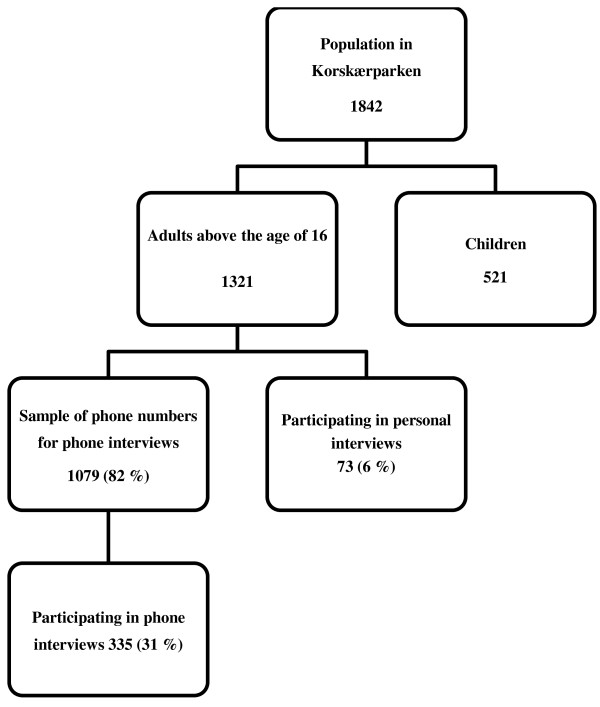
Methods: This study investigates the association between self-rated health used as dependent variable and ethnicity and social position (defined as index for life resources) as the independent variables. The analyses are based on data collected in a survey in a geographically bounded and social deprived neighbourhood, Korskaerparken, located in the municipality of Fredericia in Denmark. The sample consisted of 31% of the residents in Korskaerparken and of these 29% have an ethnic background other than Danish.The analyses were conducted using logistic regression adjusting for confounding variables.
Results: This study indicates no significant association between ethnicity and having poor/very poor self-rated health.On the other hand the study confirms that a strong and significant association between the number of residents' life resources and their self-rated health does indeed exist. The results clearly suggest that the more life resources an individual has, the lower is the risk of that individual reporting poor health.
Conclusion: The results show a strong association between the residents' number of life resources and their self-rated health. In this study, we were not able to identify any association between ethnicity and self-rated health, i.e. our results suggest that ethnicity does not constitute an explanation to differences in self- rated health.
Figures
References
-
- Davey-Smith G, Blane D, Bartley M. Explanations for socioeconomic differences in mortality: evidence from Britain and elsewhere. Eur J Public Health. 1994;10:131–44. doi: 10.1093/eurpub/4.2.131. - DOI
-
- Dalstra JA, Kunst AE, Borrell C, Breeze E, Cambois E, Costa G, Geurts JJ, Lahelma E, Van Oyen H, Rasmussen NK, Regidor E, Spadea T, Mackenbach JP. Socioeconomic differences in the prevalence of common chronic diseases: an overview of eight European countries. Int J Epidemiol. 2005;10(2):316–26. doi: 10.1093/ije/dyh386. - DOI - PubMed
LinkOut - more resources
Full Text Sources
