


Mannose efflux from the cells: a potential source of mannose in blood
- PMID: 21273394
- PMCID: PMC3060472
- DOI: 10.1074/jbc.M110.194241
Mannose efflux from the cells: a potential source of mannose in blood
Abstract
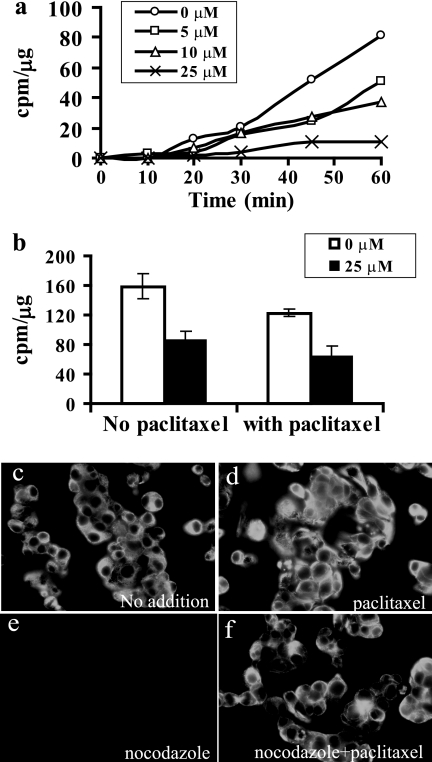
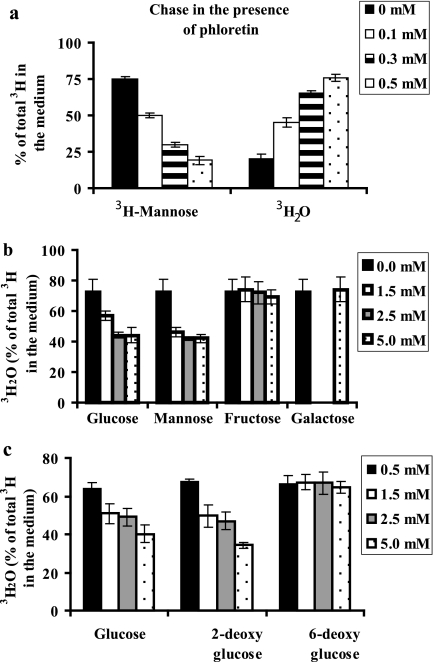
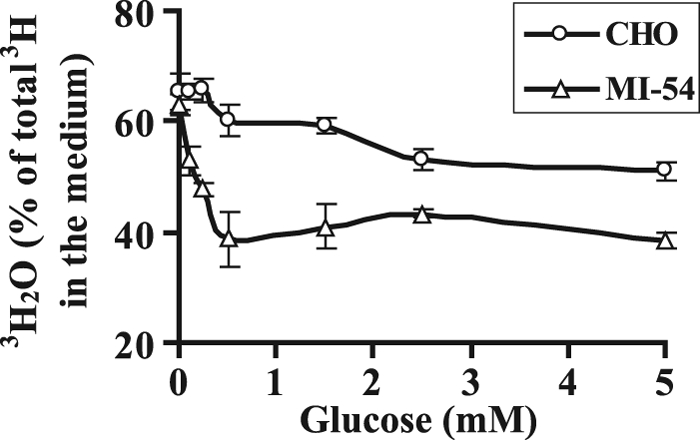
All mammals have 50-100 μM mannose in their blood. However, the source of the dynamic pool of mannose in blood is unknown. Most of it is thought to be derived from glucose in the cells. We studied mannose uptake and release by various cell types. Interestingly, our results show that mannose taken up by the cells through transporters is handled differently from the mannose released within the cells due to glycan processing of protein-bound oligosaccharides. Although more than 95% of incoming mannose is catabolized, most of the mannose released by intracellular processing is expelled from the cells as free mannose predominantly via a nocodazole-sensitive sugar transporter. Under physiological conditions, incoming mannose is more accessible to hexokinase, whereas mannose released within the cells is protected from HK and therefore has a different fate. Our data also suggest that generation of free mannose due to the processing of glycoconjugates composed of glucose-derived mannose and its efflux from the cells can account for most of the mannose found in blood and its steady state maintenance.
Figures
References
-
- Alton G., Hasilik M., Niehues R., Panneerselvam K., Etchison J. R., Fana F., Freeze H. H. (1998) Glycobiology 8, 285–295 - PubMed
-
- Stanley P., Schachter H., Taniguchi N. (2008) in Essentials of Glycobiology (Varki A., Cummings R. D., Esko J. D., Freeze H. H., Stanley P., Bertozzi C. R., Hart G. W., Etzler M. E. eds) pp. 101–127, 2nd Ed., Cold Spring Harbor Laboratory, Cold Spring Harbor, NY - PubMed
-
- Freeze H. H., Kranz C. (2010) Current Protocols in Immunology, Chapter 8, pp. 8.15.1–25, John Wiley & Sons, Inc., New York - PubMed
-
- Panneerselvam K., Freeze H. H. (1996) J. Biol. Chem. 271, 9417–9421 - PubMed
Publication types
MeSH terms
Substances
Grants and funding
LinkOut - more resources
Full Text Sources
Molecular Biology Databases
