


Soluble Neuregulin and Schwann Cell Myelination: a Therapeutic Potential for Improving Remyelination of Adult Axons
- PMID: 21274416
- PMCID: PMC3026321
- DOI: 10.4255/mcpharmacol.10.22
Soluble Neuregulin and Schwann Cell Myelination: a Therapeutic Potential for Improving Remyelination of Adult Axons
Abstract
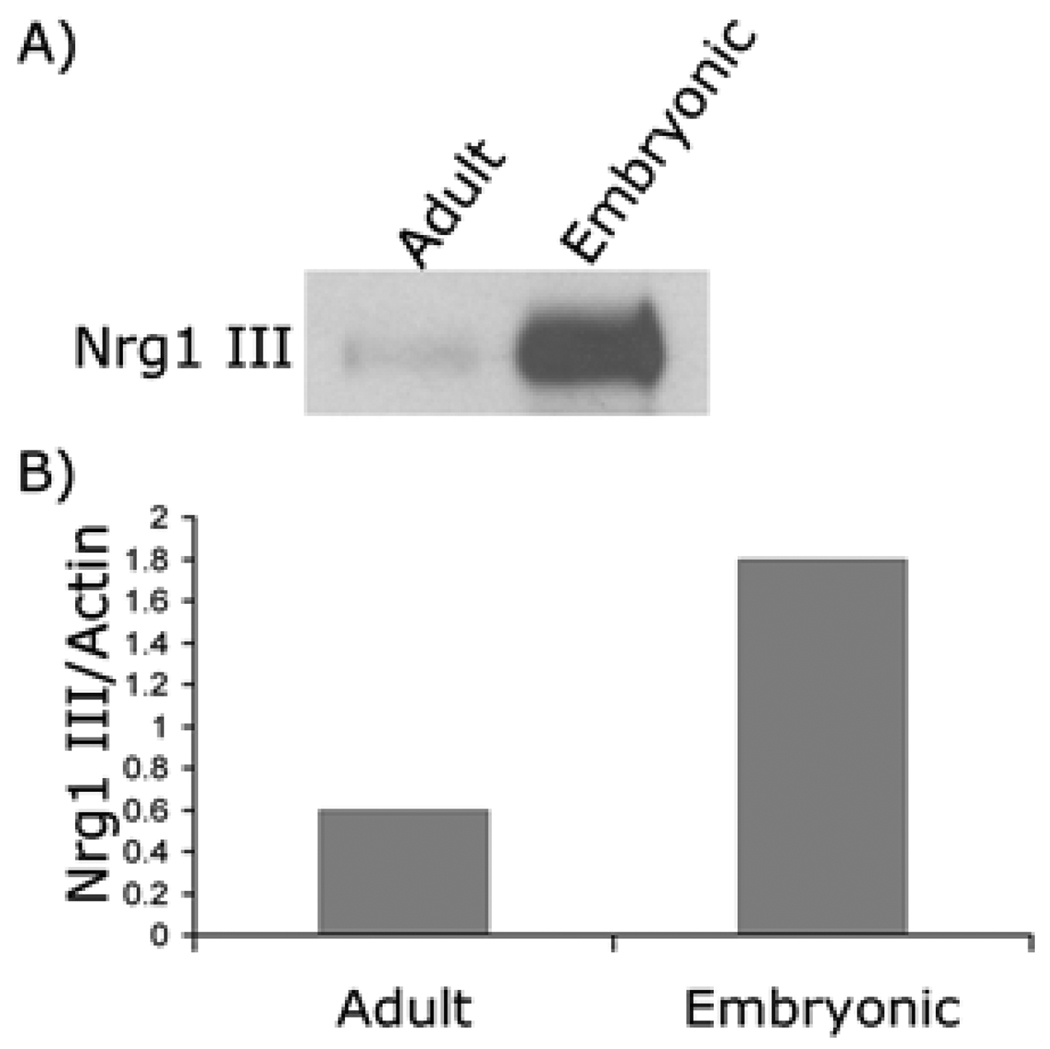
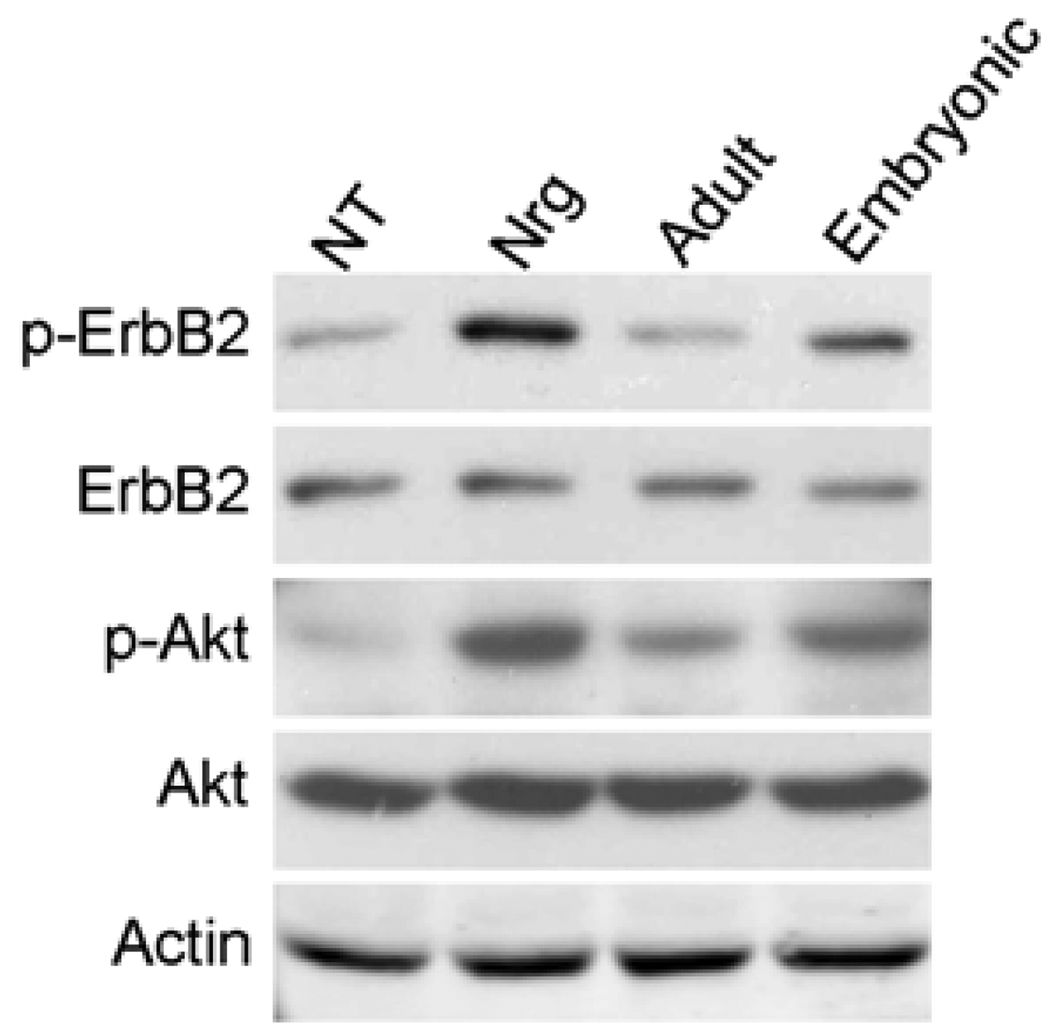
Myelination in the peripheral nervous system (PNS) is induced by close contact signaling between axons and Schwann cells. Previous studies have identified membrane-bound neuregulin-1 (Nrg1) type III, expressed on the axons, as the key instructive signal that regulates Schwann cell myelination. In our recent study, we show that recombinant soluble Nrg1 elicits a similar pro-myelinating effect on Schwann cells, albeit in a dosage-dependent manner: Nrg1 promotes myelination at low concentrations but inhibits it at high concentrations. The inhibitory effect of Nrg1 is mediated through its activation of the Ras/Raf/Erk pathway in Schwann cells, and inhibition of the pathway using a pharmacologic inhibitor restores myelination. We also show that soluble Nrg1 enhances myelination on axons that do not express sufficient amount of Nrg1 type III needed for robust myelination. These findings are significant as they suggest that combined therapies aimed at enhancing Nrg1 signaling and blocking the Ras/Raf/Erk activation may be an effective strategy for improving remyelination on adult axons, which, as shown in our recent data, express low levels of Nrg1 type III. In this report we provide an overview of our recent findings and discuss the therapeutic potential of soluble Nrg1.
Conflict of interest statement
No potential conflicts of interest to disclose.
Figures
References
-
- Michailov GV, Sereda MW, Brinkmann BG, et al. Axonal neuregulin-1 regulates myelin sheath thickness. Science. 2004;304:700–703. - PubMed
-
- Holmes WE, Sliwkowski MX, Akita RW, et al. Identification of heregulin, a specific activator of p185erbB2. Science. 1992;256:1205–1210. - PubMed
-
- Lu HS, Chang D, Philo JS, et al. Studies on the structure and function of glycosylated and nonglycosylated neu differentiation factors. Similarities and differences of the alpha and beta isoforms. J Biol Chem. 1995;270:4784–4791. - PubMed
Grants and funding
LinkOut - more resources
Full Text Sources
Research Materials
Miscellaneous