


Synovial inflammation in patients undergoing arthroscopic meniscectomy: molecular characterization and relationship to symptoms
- PMID: 21279996
- PMCID: PMC3260472
- DOI: 10.1002/art.30137
Synovial inflammation in patients undergoing arthroscopic meniscectomy: molecular characterization and relationship to symptoms
Abstract
Objective: Traumatic and degenerative meniscal tears have different anatomic features and different proposed etiologies, yet both are associated with the development or progression of osteoarthritis (OA). In established OA, synovitis is associated with pain and progression, but a relationship between synovitis and symptoms in isolated meniscal disease has not been reported. Accordingly, we sought to characterize synovial pathology in patients with traumatic meniscal injuries and determine the relationships between inflammation, meniscal and cartilage pathology, and symptoms.
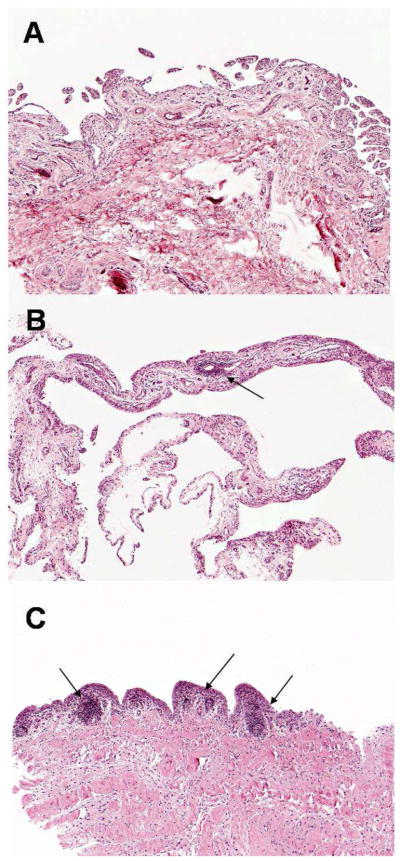
Methods: Thirty-three patients without evidence of OA who were undergoing arthroscopic meniscectomy for meniscal injuries were recruited. Pain and function were assessed preoperatively; meniscal and cartilage abnormalities were documented at the time of surgery. Inflammation in synovial biopsy specimens was scored, and associations between inflammation and clinical outcomes were determined. Microarray analysis of synovial tissue was performed, and gene expression patterns in patients with and those without inflammation were compared.
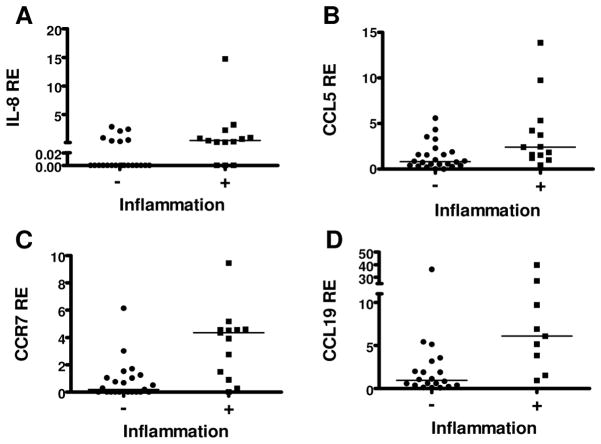
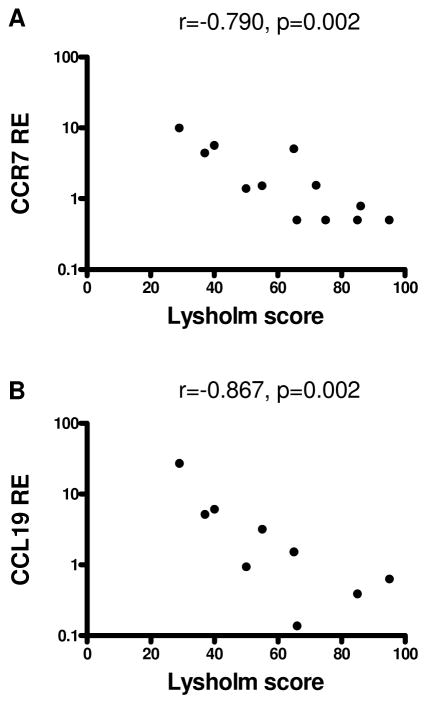
Results: Synovial inflammation was present in 43% of the patients and was associated with worse preoperative pain and function scores, independent of age, sex, or cartilage pathology. Microarray analysis and real-time polymerase chain reaction revealed a chemokine signature in synovial biopsy specimens with increased inflammation scores.
Conclusion: Our findings indicate that in patients with traumatic meniscal injury undergoing arthroscopic meniscectomy without radiographic evidence of OA, synovial inflammation occurs frequently and is associated with increased pain and dysfunction. Synovia with increased inflammation scores exhibit a unique chemokine signature. Chemokines may contribute to the development of synovial inflammation in patients with meniscal pathology; they also represent potential therapeutic targets for reducing inflammatory symptoms.
Copyright © 2011 by the American College of Rheumatology.
Figures
References
-
- Gelber AC, Hochberg MC, Mead LA, Wang NY, Wigley FM, Klag MJ. Joint injury in young adults and risk for subsequent knee and hip osteoarthritis. Ann Intern Med. 2000;133(5):321–8. - PubMed
-
- Roos EM. Joint injury causes knee osteoarthritis in young adults. Curr Opin Rheumatol. 2005;17(2):195–200. - PubMed
-
- Noble J, Hamblen DL. The pathology of the degenerate meniscus lesion. J Bone Joint Surg Br. 1975;57(2):180–6. - PubMed
Publication types
MeSH terms
Substances
Grants and funding
LinkOut - more resources
Full Text Sources
