


Candida species differ in their interactions with immature human gastrointestinal epithelial cells
- PMID: 21283049
- PMCID: PMC3078174
- DOI: 10.1203/PDR.0b013e31821269d5
Candida species differ in their interactions with immature human gastrointestinal epithelial cells
Abstract
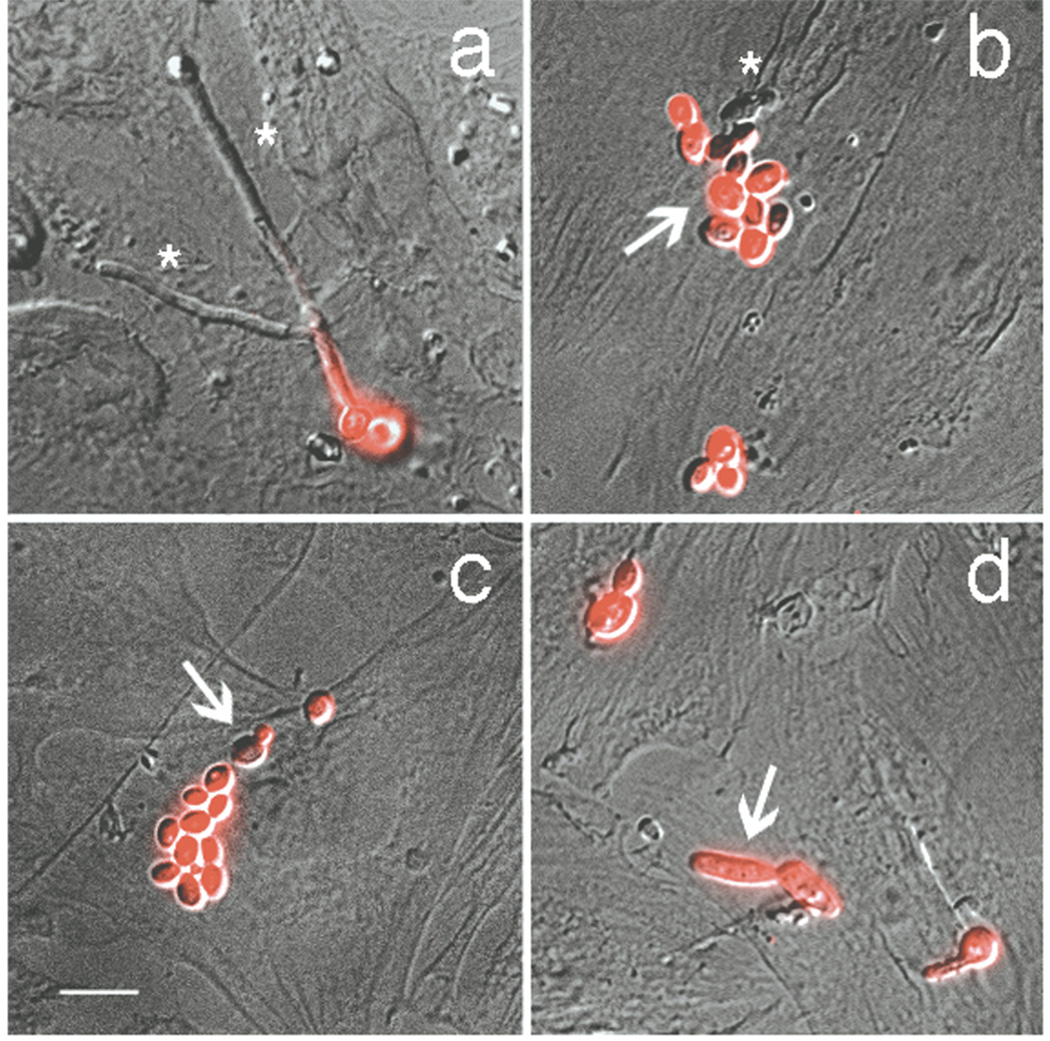
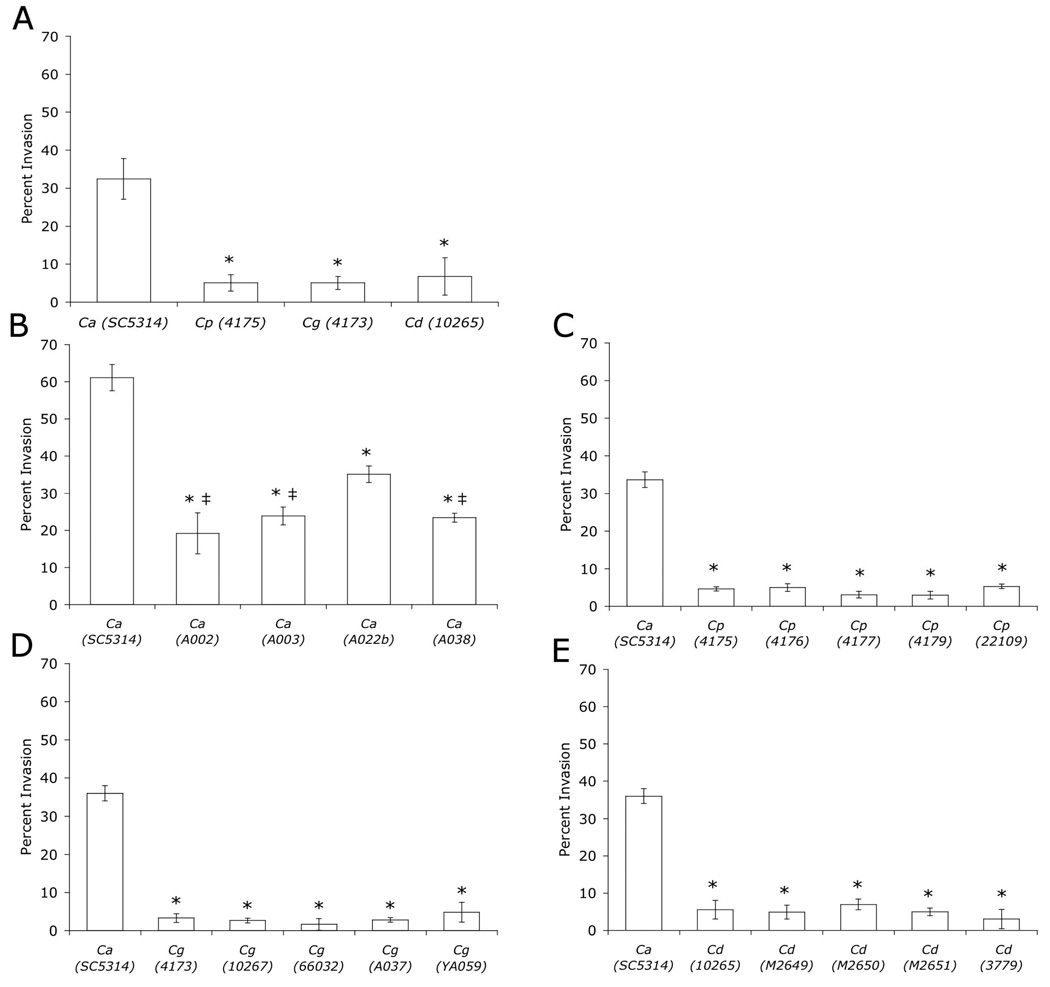
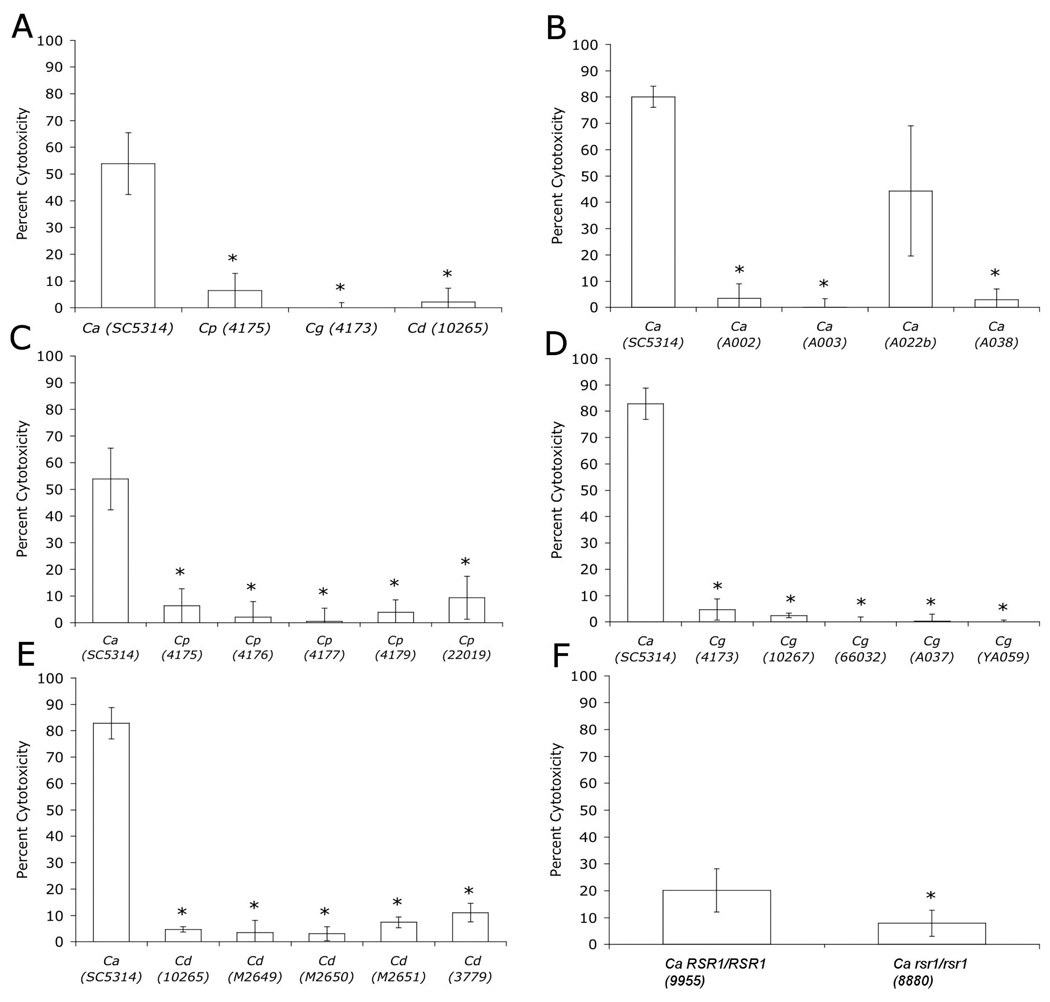
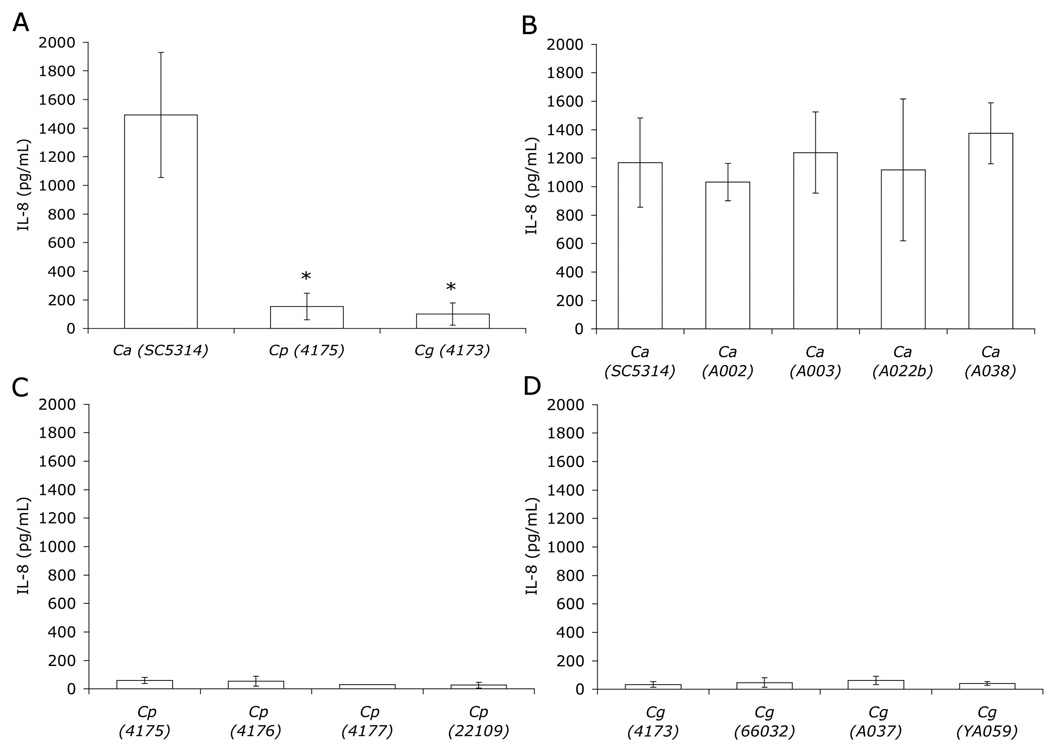
Life-threatening gastrointestinal (GI) diseases of prematurity are highly associated with systemic candidiasis. This implicates the premature GI tract as an important site for invasion by Candida. Invasive interactions of Candida spp. with immature enterocytes have heretofore not been analyzed. Using a primary immature human enterocyte line, we compared the ability of multiple isolates of different Candida spp. to penetrate, injure, and induce a cytokine response from host cells. Of all the Candida spp. analyzed, C. albicans had the greatest ability to penetrate and injure immature enterocytes and to elicit IL-8 release (p < 0.01). In addition, C. albicans was the only Candida spp. to form filamentous hyphae when in contact with immature enterocytes. Similarly, a C. albicans mutant with defective hyphal morphogenesis and invasiveness had attenuated cytotoxicity for immature enterocytes (p < 0.003). Thus, hyphal morphogenesis correlates with immature enterocyte penetration, injury, and inflammatory responses. Furthermore, variability in enterocyte injury was observed among hyphal-producing C. albicans strains, suggesting that individual organism genotypes also influence host-pathogen interactions. Overall, the finding that Candida spp. differed in their interactions with immature enterocytes implicates that individual spp. may use different pathogenesis mechanisms.
Figures
References
-
- Fridkin SK, Kaufman D, Edwards JR, Shetty S, Horan T. Changing incidence of Candida bloodstream infections among NICU patients in the United States: 1995–2004. Pediatrics. 2006;117:1680–1687. - PubMed
-
- Kaufman DA. Epidemiology and prevention of neonatal candidiasis: fluconazole for all neonates? Adv Exp Med Biol. 2010;659:99–119. - PubMed
-
- Friedman S, Richardson SE, Jacobs SE, O'Brien K. Systemic Candida infection in extremely low birth weight infants: short term morbidity and long term neurodevelopmental outcome. Pediatr Infect Dis J. 2000;19:499–504. - PubMed
-
- Benjamin DK, Jr, Stoll BJ, Fanaroff AA, McDonald SA, Oh W, Higgins RD, Duara S, Poole K, Laptook A, Goldberg R. Neonatal candidiasis among extremely low birth weight infants: risk factors, mortality rates, and neurodevelopmental outcomes at 18 to 22 months. Pediatrics. 2006;117:84–92. - PubMed
-
- Saiman L, Ludington E, Dawson JD, Patterson JE, Rangel-Frausto S, Wiblin RT, Blumberg HM, Pfaller M, Rinaldi M, Edwards JE, Wenzel RP, Jarvis W. Risk factors for Candida species colonization of neonatal intensive care unit patients. Pediatr Infect Dis J. 2001;20:1119–1124. - PubMed
Publication types
MeSH terms
Substances
Grants and funding
LinkOut - more resources
Full Text Sources
Miscellaneous
