Genetic epidemiology of tuberculosis susceptibility: impact of study design
- PMID: 21283783
- PMCID: PMC3024264
- DOI: 10.1371/journal.ppat.1001189
Genetic epidemiology of tuberculosis susceptibility: impact of study design
Abstract
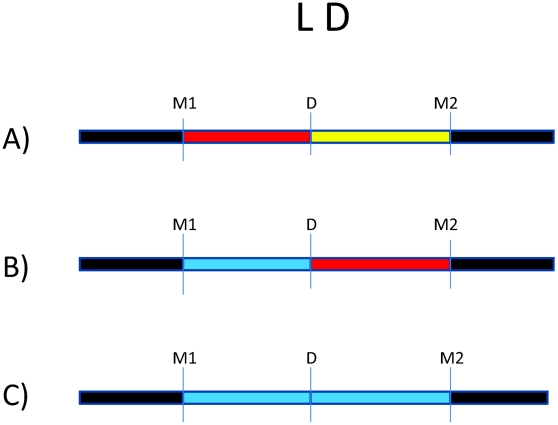
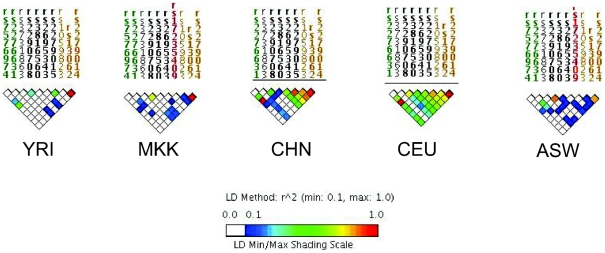
Several candidate gene studies have provided evidence for a role of host genetics in susceptibility to tuberculosis (TB). However, the results of these studies have been very inconsistent, even within a study population. Here, we review the design of these studies from a genetic epidemiological perspective, illustrating important differences in phenotype definition in both cases and controls, consideration of latent M. tuberculosis infection versus active TB disease, population genetic factors such as population substructure and linkage disequilibrium, polymorphism selection, and potential global differences in M. tuberculosis strain. These considerable differences between studies should be accounted for when examining the current literature. Recommendations are made for future studies to further clarify the host genetics of TB.
Conflict of interest statement
The author has declared that no competing interests exist.
Figures
References
-
- Raviglione M, Snider D, Kochi A. Global epidemiology of tuberculosis: morbidity and mortality of a worldwide epidemic. JAMA. 1995;273:220–226. - PubMed
-
- Kaufmann SH, Baumann S, Nasser EA. Exploiting immunology and molecular genetics for rational vaccine design against tuberculosis. Int J Tuberc Lung Dis. 2006;10:1068–1079. - PubMed
-
- Comstock G. Tuberculosis in twins: a re-analysis of the Prophit Study. Am Rev Resp Dis. 1978;117:621–624. - PubMed
-
- Kallmann F, Reisner D. Twin studies on the significance of genetic factors in tuberculosis. Am Rev Tuberculosis. 1943;47:549–574.
Publication types
MeSH terms
Grants and funding
LinkOut - more resources
Full Text Sources
Medical