


The importance of integrating basic and clinical research toward the development of new therapies for Huntington disease
- PMID: 21285520
- PMCID: PMC3026740
- DOI: 10.1172/JCI45364
The importance of integrating basic and clinical research toward the development of new therapies for Huntington disease
Abstract
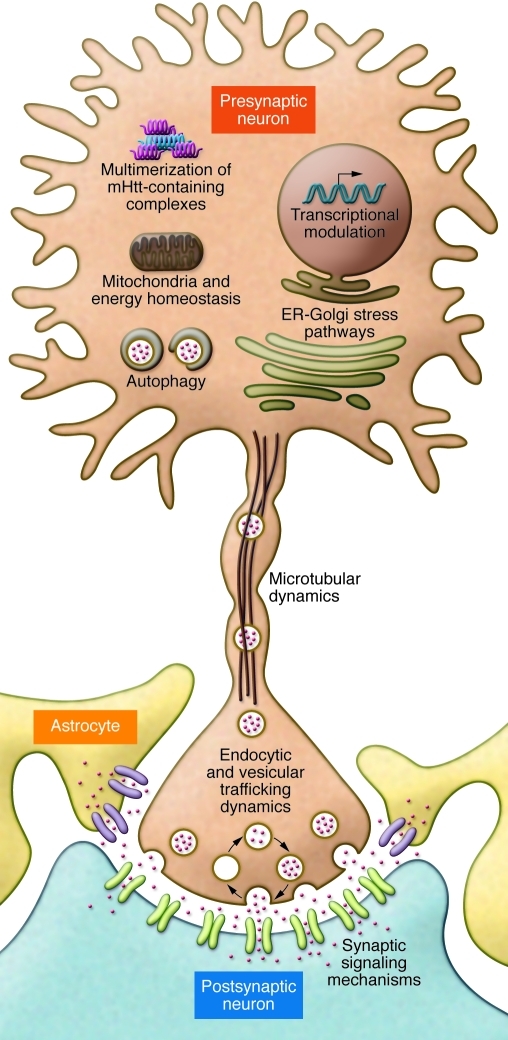
Huntington disease (HD) is a dominantly inherited neurodegenerative disorder that results from expansion of the polyglutamine repeat in the huntingtin (HTT) gene. There are currently no effective treatments for this devastating disease. Given its monogenic nature, disease modification therapies for HD should be theoretically feasible. Currently, pharmacological therapies aimed at disease modification by altering levels of HTT protein are in late-stage preclinical development. Here, we review current efforts to develop new treatments for HD based on our current understanding of HTT function and the main pathological mechanisms. We emphasize the need to enhance translational efforts and highlight the importance of aligning the clinical and basic research communities to validate existing hypotheses in clinical studies. Human and animal therapeutic trials are presented with an emphasis on cellular and molecular mechanisms relevant to disease progression.
Figures
References
-
- Farrer MJ. Genetics of Parkinson disease: paradigm shifts and future prospects. Nat Rev Genet. 2006;7(4):306–318. - PubMed
Publication types
MeSH terms
LinkOut - more resources
Full Text Sources
Other Literature Sources
Medical
Molecular Biology Databases
