


Modeling autistic features in animals
- PMID: 21289542
- PMCID: PMC3088489
- DOI: 10.1203/PDR.0b013e318212b80f
Modeling autistic features in animals
Abstract
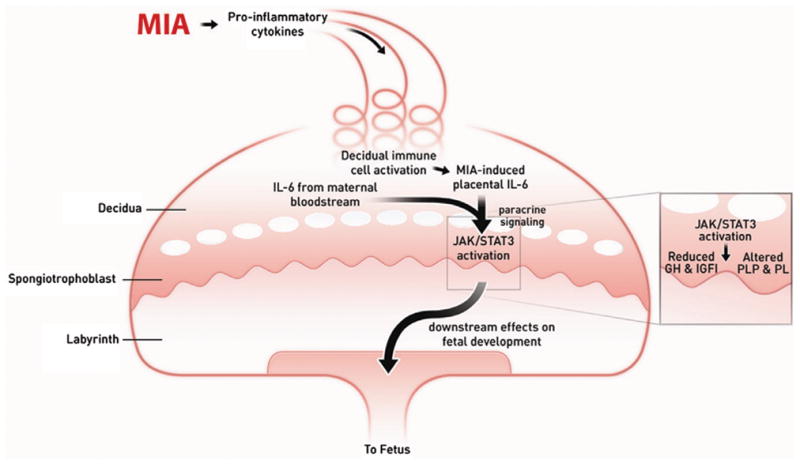
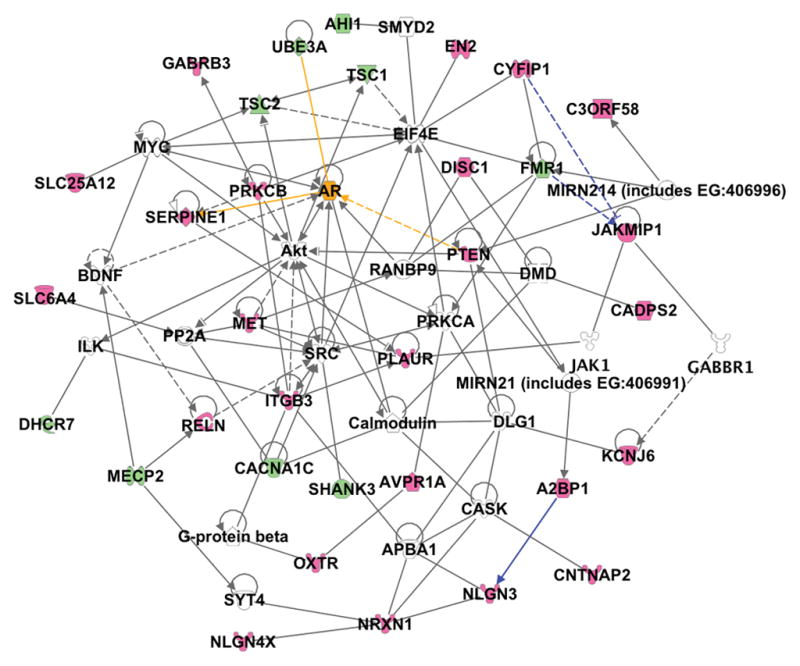
A variety of features of autism can be simulated in rodents, including the core behavioral hallmarks of stereotyped and repetitive behaviors, and deficits in social interaction and communication. Other behaviors frequently found in autism spectrum disorders (ASDs) such as neophobia, enhanced anxiety, abnormal pain sensitivity and eye blink conditioning, disturbed sleep patterns, seizures, and deficits in sensorimotor gating are also present in some of the animal models. Neuropathology and some characteristic neurochemical changes that are frequently seen in autism, and alterations in the immune status in the brain and periphery are also found in some of the models. Several known environmental risk factors for autism have been successfully established in rodents, including maternal infection and maternal valproate administration. Also under investigation are a number of mouse models based on genetic variants associated with autism or on syndromic disorders with autistic features. This review briefly summarizes recent developments in this field, highlighting models with face and/or construct validity, and noting the potential for investigation of pathogenesis, and early progress toward clinical testing of potential therapeutics. Wherever possible, reference is made to reviews rather than to primary articles.
Figures
References
-
- Patterson PH. Immune involvement in schizophrenia and autism: Etiology, pathology and animal models. Behav Brain Res. 2009;204:313–321. - PubMed
-
- Atladóttir HO, Thorsen P, Østergaard L, Schendel DE, Lemcke S, Abdallah M, Parner ET. Maternal infection requiring hospitalization during pregnancy and autism spectrum disorders. J Autism Dev Disord. 2010;40:1423–1430. - PubMed
Publication types
MeSH terms
Grants and funding
LinkOut - more resources
Full Text Sources
Other Literature Sources
