


Analyzing the dynamics of brain circuits with temperature: design and implementation of a miniature thermoelectric device
- PMID: 21291909
- PMCID: PMC3070058
- DOI: 10.1016/j.jneumeth.2011.01.024
Analyzing the dynamics of brain circuits with temperature: design and implementation of a miniature thermoelectric device
Abstract
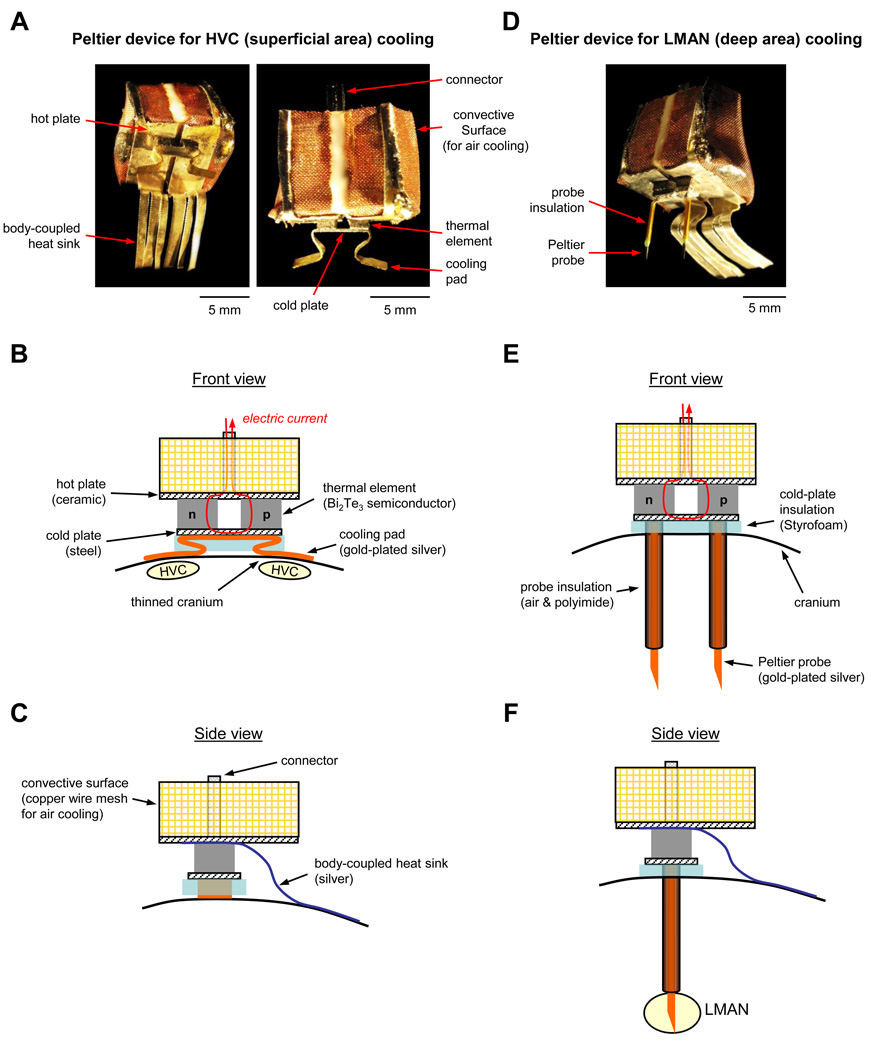
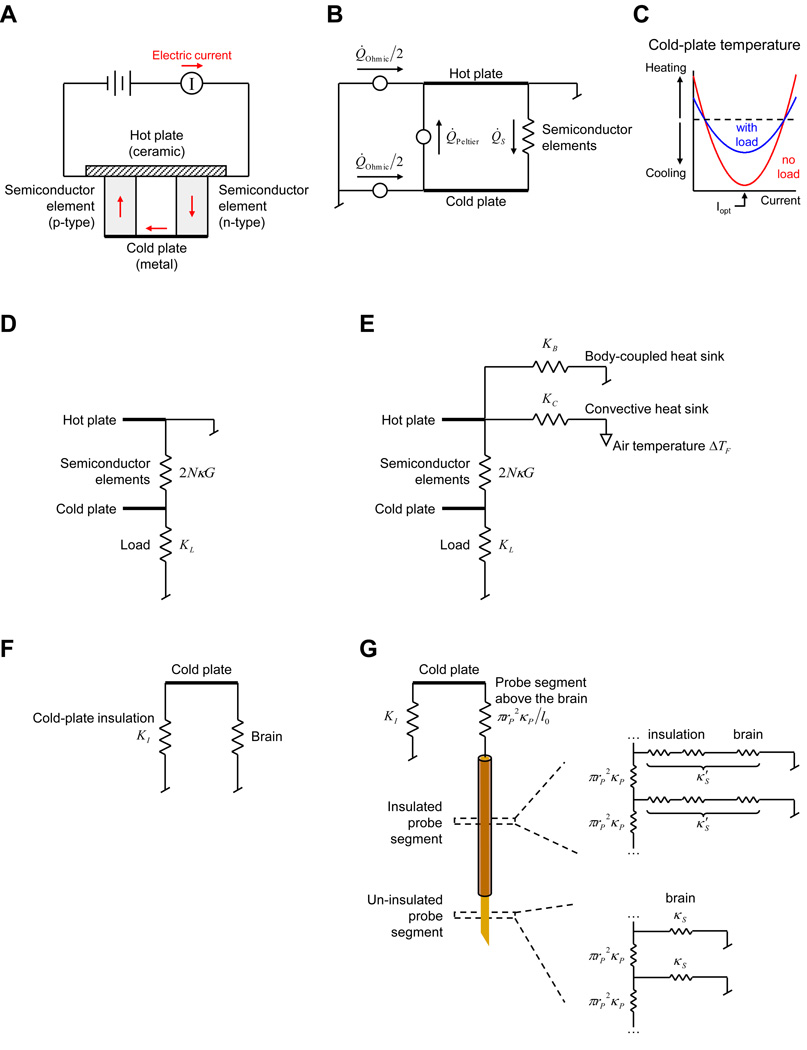
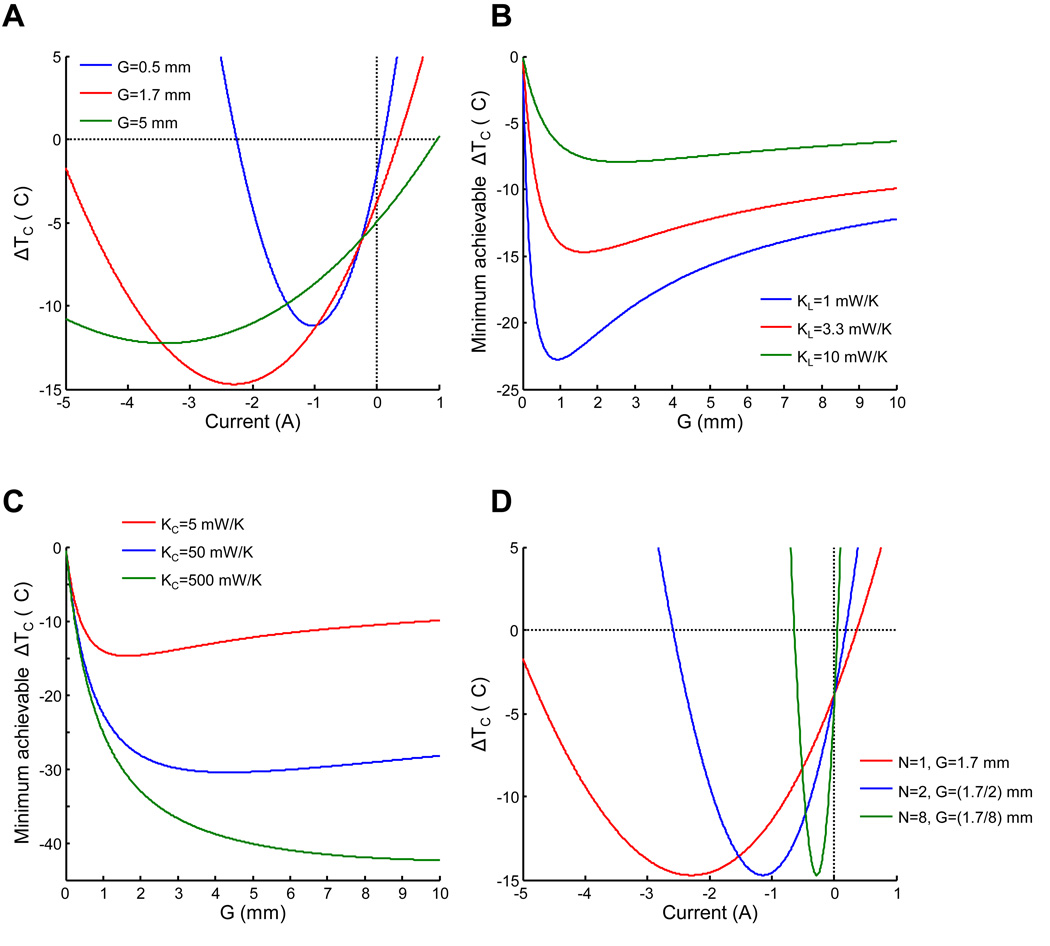
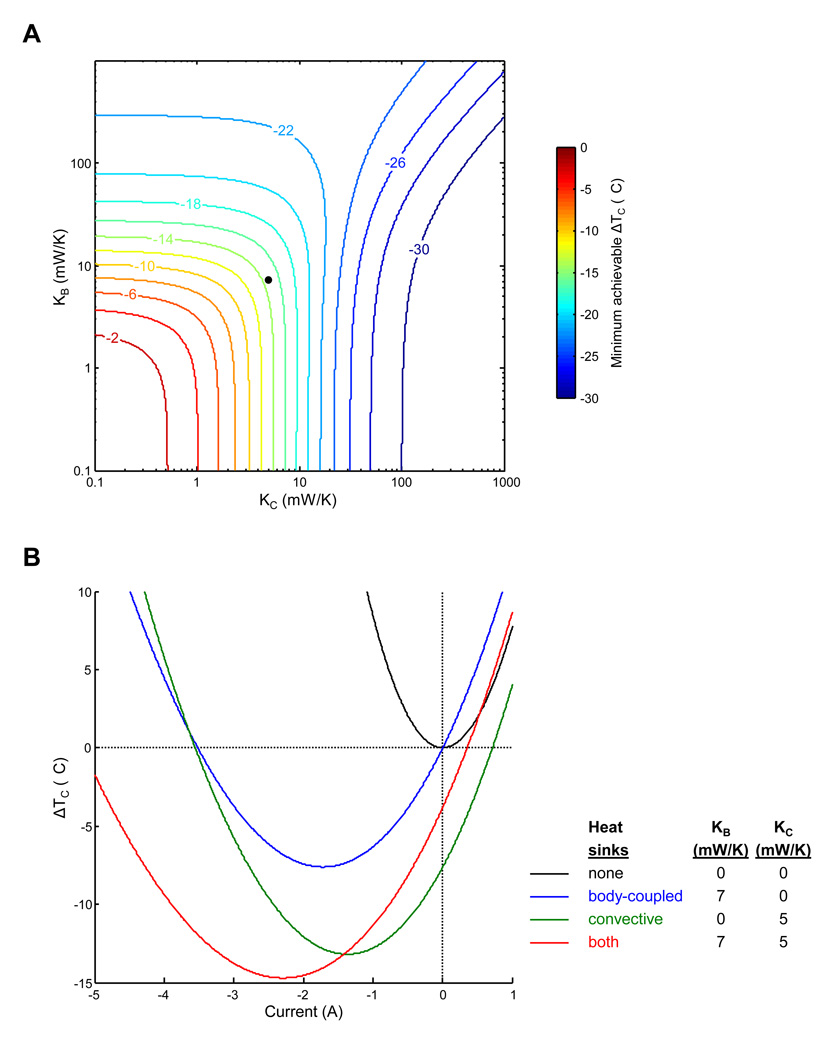
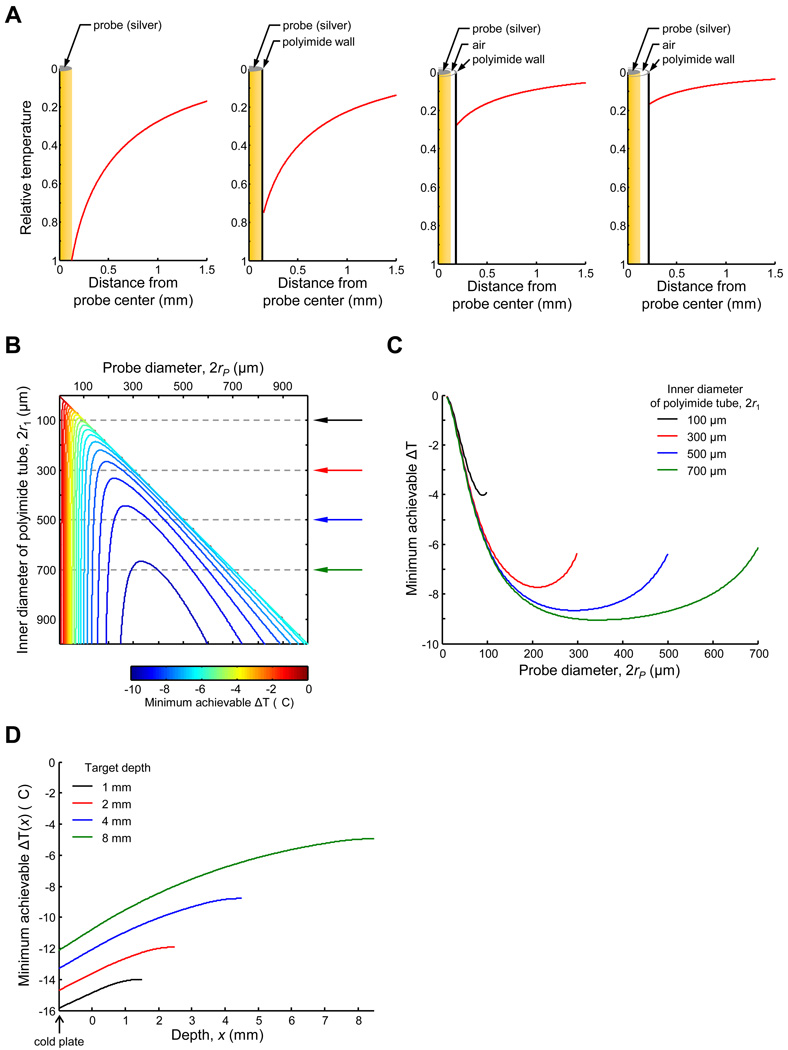
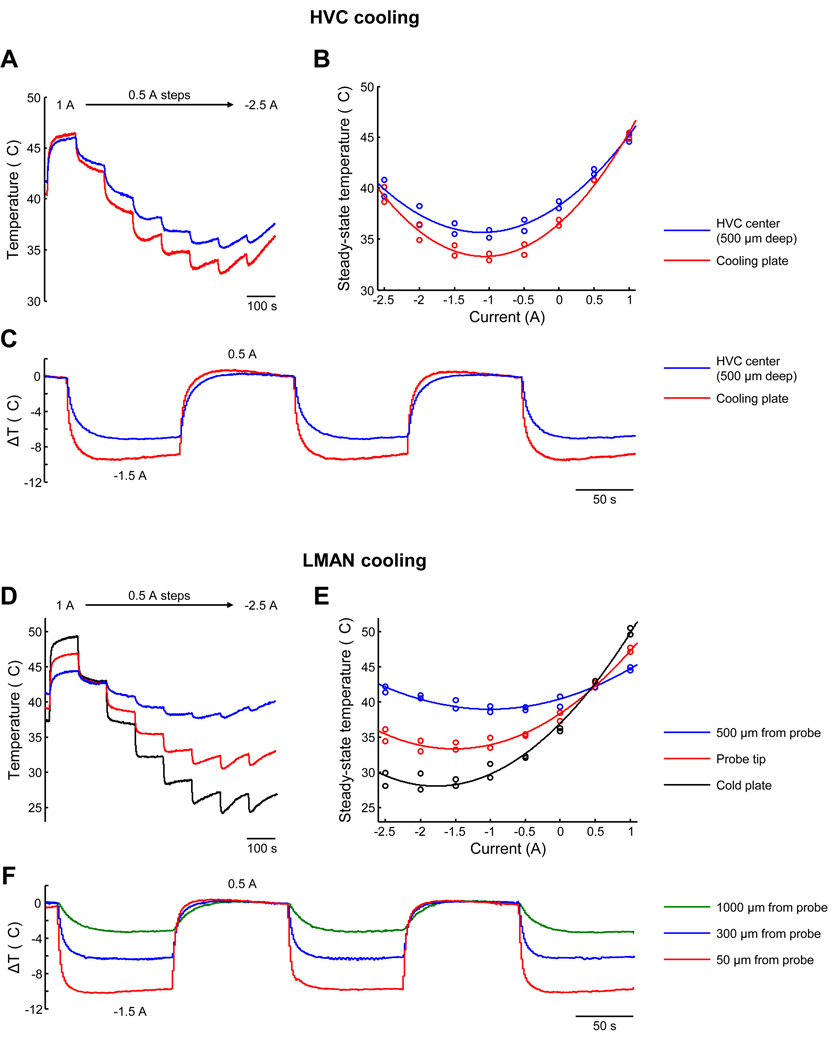
Traditional lesion or inactivation methods are useful for determining if a given brain area is involved in the generation of a behavior, but not for determining if circuit dynamics in that area control the timing of the behavior. In contrast, localized mild cooling or heating of a brain area alters the speed of neuronal and circuit dynamics and can reveal the role of that area in the control of timing. It has been shown that miniaturized solid-state heat pumps based on the Peltier effect can be useful for analyzing brain dynamics in small freely behaving animals (Long and Fee, 2008). Here we present a theoretical analysis of these devices and a procedure for optimizing their design. We describe the construction and implementation of one device for cooling surface brain areas, such as cortex, and another device for cooling deep brain regions. We also present measurements of the magnitude and localization of the brain temperature changes produced by these two devices.
Copyright © 2011 Elsevier B.V. All rights reserved.
Figures
References
-
- Abeles M. Corticonics. Cambridge University Press; 1991.
-
- Arbas EA, Calabrese RL. Rate modification in the heartbeat central pattern generator of the medicinal leech. J Comp Physiol A. 1984;155:783–794.
-
- Bauer M, von Helversen O. Separate localization of sound recognizing and sound producing neural mechanisms in a grasshopper. J Comp Physiol A. 1987;161:95–101.
-
- Bech C, Midtgård U. Brain temperature and therete mirabile ophthalmicum in the Zebra finch (Poephila guttata) J Comp Physiol B. 1981;145:89–93.
MeSH terms
Grants and funding
LinkOut - more resources
Full Text Sources
Other Literature Sources
