


Comparative and joint analysis of two metagenomic datasets from a biogas fermenter obtained by 454-pyrosequencing
- PMID: 21297863
- PMCID: PMC3027613
- DOI: 10.1371/journal.pone.0014519
Comparative and joint analysis of two metagenomic datasets from a biogas fermenter obtained by 454-pyrosequencing
Abstract
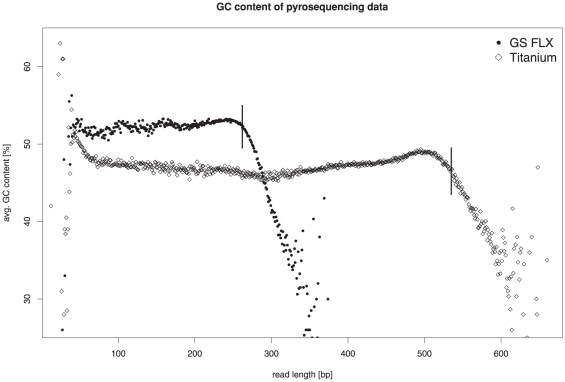
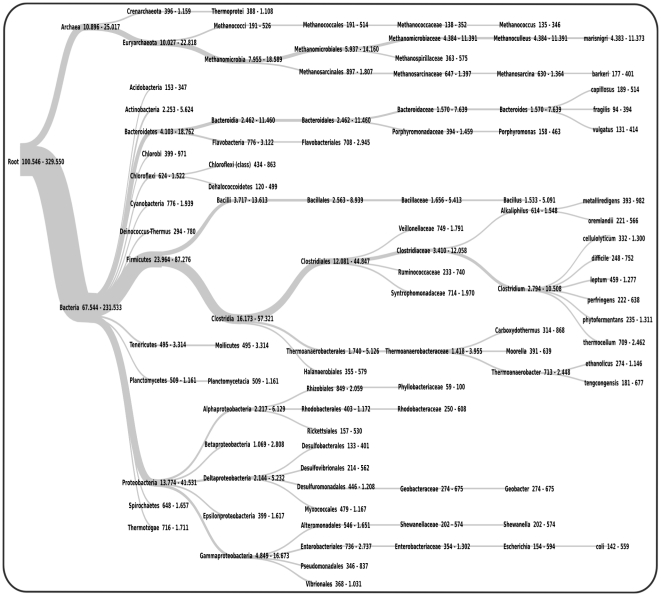
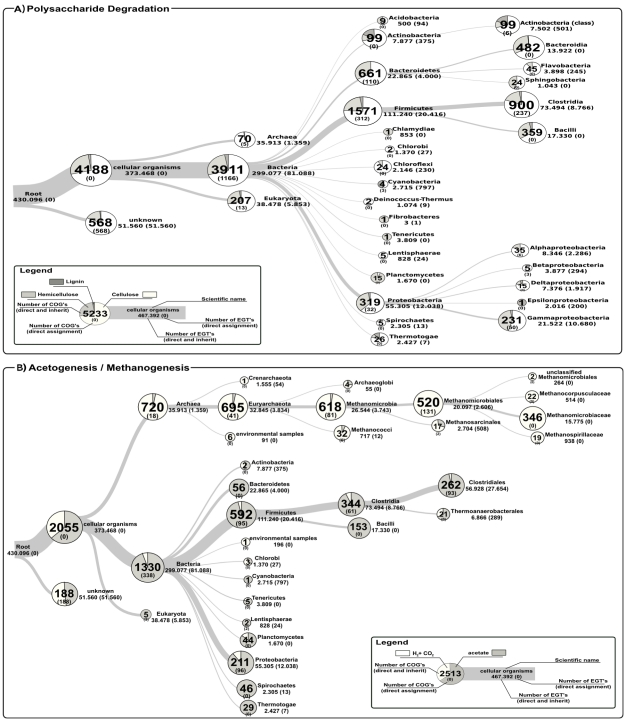
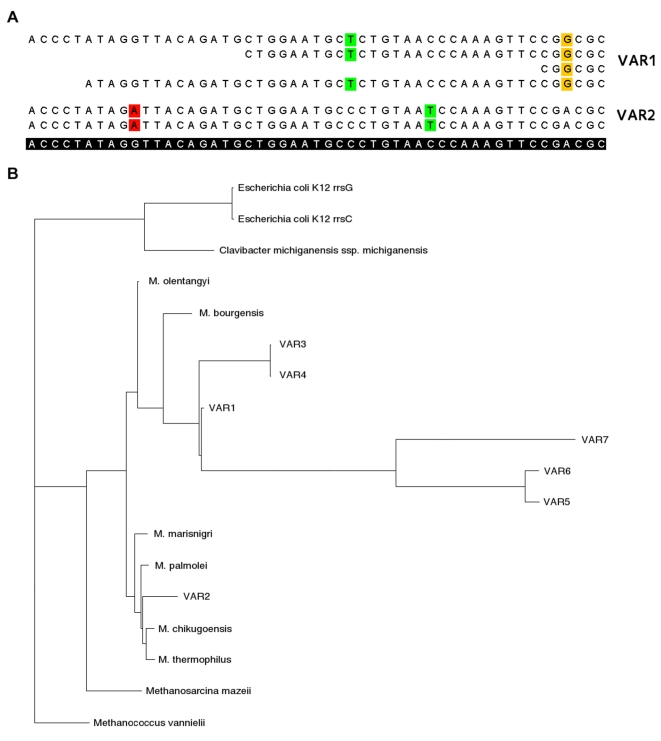
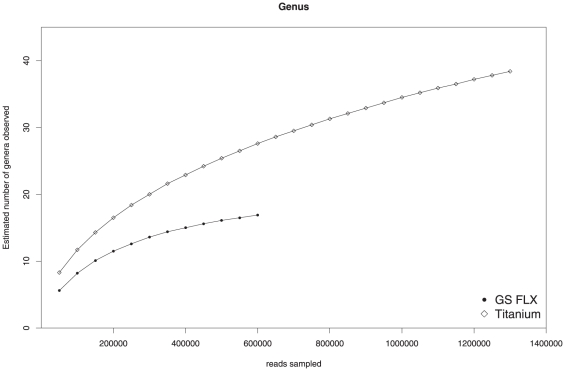
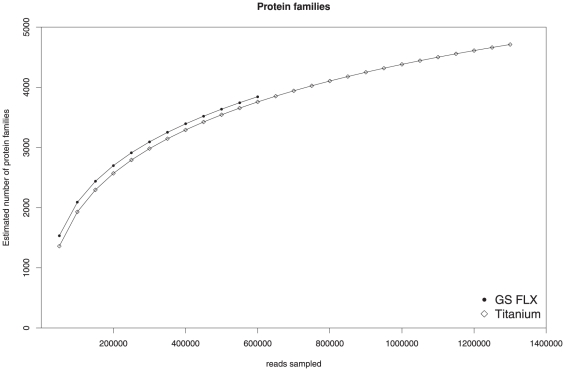
Biogas production from renewable resources is attracting increased attention as an alternative energy source due to the limited availability of traditional fossil fuels. Many countries are promoting the use of alternative energy sources for sustainable energy production. In this study, a metagenome from a production-scale biogas fermenter was analysed employing Roche's GS FLX Titanium technology and compared to a previous dataset obtained from the same community DNA sample that was sequenced on the GS FLX platform. Taxonomic profiling based on 16S rRNA-specific sequences and an Environmental Gene Tag (EGT) analysis employing CARMA demonstrated that both approaches benefit from the longer read lengths obtained on the Titanium platform. Results confirmed Clostridia as the most prevalent taxonomic class, whereas species of the order Methanomicrobiales are dominant among methanogenic Archaea. However, the analyses also identified additional taxa that were missed by the previous study, including members of the genera Streptococcus, Acetivibrio, Garciella, Tissierella, and Gelria, which might also play a role in the fermentation process leading to the formation of methane. Taking advantage of the CARMA feature to correlate taxonomic information of sequences with their assigned functions, it appeared that Firmicutes, followed by Bacteroidetes and Proteobacteria, dominate within the functional context of polysaccharide degradation whereas Methanomicrobiales represent the most abundant taxonomic group responsible for methane production. Clostridia is the most important class involved in the reductive CoA pathway (Wood-Ljungdahl pathway) that is characteristic for acetogenesis. Based on binning of 16S rRNA-specific sequences allocated to the dominant genus Methanoculleus, it could be shown that this genus is represented by several different species. Phylogenetic analysis of these sequences placed them in close proximity to the hydrogenotrophic methanogen Methanoculleus bourgensis. While rarefaction analyses still indicate incomplete coverage, examination of the GS FLX Titanium dataset resulted in the identification of additional genera and functional elements, providing a far more complete coverage of the community involved in anaerobic fermentative pathways leading to methane formation.
Conflict of interest statement
Figures

References
-
- Weiland P. Production and energetic use of biogas from energy crops and wastes in Germany. Applied Biochemistry and Biotechnology. 2003;109:263–274. - PubMed
-
- Yadvika S, Sreekrishnan T, Kohli S, Rana V. Enhancement of biogas production from solid substrates using different techniques - a review. Bioresource Technology. 2004;95:1–10. - PubMed
-
- Bayer E, Belaich J, Shoham Y, Lamed R. The cellulosomes: multienzyme machines for degradation of plant cell wall polysaccharides. Annual Review of Microbiology. 2004;58:521–54. - PubMed
-
- Cirne D, Lehtomaki A, Bjornsson L, Blackall L. Hydrolysis and microbial community analyses in two-stage anaerobic digestion of energy crops. Journal of Applied Microbiology. 2007;103:516–527. - PubMed
Publication types
MeSH terms
Substances
LinkOut - more resources
Full Text Sources
Molecular Biology Databases
