


Molecular mechanism of vitamin D in the cardiovascular system
- PMID: 21307778
- PMCID: PMC3645939
- DOI: 10.2310/JIM.0b013e31820ee448
Molecular mechanism of vitamin D in the cardiovascular system
Abstract
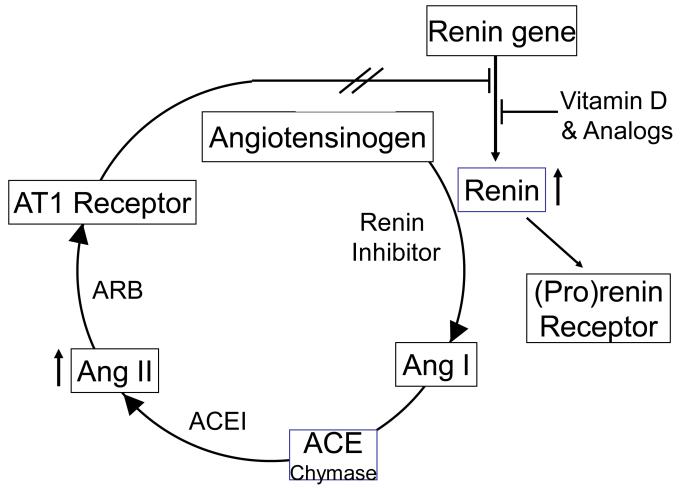
Vitamin D deficiency is a global health problem that has various adverse consequences. Vitamin D is mainly synthesized in the skin by sunlight (UV light) irradiation; therefore, vitamin D status is influenced by geographic locations, seasonal changes, and skin pigmentations. The kidney is involved in the biosynthesis of 1,25-dihydroxyvitamin D and the reuptake of filtered 25-hydroxyvitamin D from the proximal tubules, thus, vitamin D deficiency is highly prevalent in patients with kidney disease who have renal insufficiency. There is a growing body of epidemiological and clinical evidence in the literature that links vitamin D deficiency to cardiovascular disease. The discovery of the vitamin D hormone functioning as an endocrine inhibitor of the renin-angiotensin system provides an explanation for this association. This review will discuss the mechanism underlying the connection between vitamin D and cardiovascular disease and its physiological and therapeutic implications.
Figures
References
-
- Holick MF. Vitamin D deficiency. N Engl J Med. 2007;357:266–281. - PubMed
-
- Nykjaer A, Dragun D, Walther D, et al. An endocytic pathway essential for renal uptake and activation of the steroid 25-(OH) vitamin D3. Cell. 1999;96:507–515. - PubMed
-
- Levin A, Bakris GL, Molitch M, et al. Prevalence of abnormal serum vitamin D, PTH, calcium, and phosphorus in patients with chronic kidney disease: results of the study to evaluate early kidney disease. Kidney Int. 2007;71:31–38. - PubMed
-
- Foley RN, Parfrey PS, Sarnak MJ. Clinical epidemiology of cardiovascular disease in chronic renal disease. Am J Kidney Dis. 1998;32:S112–119. - PubMed
-
- Rostand SG. Ultraviolet light may contribute to geographic and racial blood pressure differences. Hypertension. 1997;30:150–156. - PubMed
Publication types
MeSH terms
Substances
Grants and funding
LinkOut - more resources
Full Text Sources
Medical
