Review
. 2011 Nov 30;105(1):106-19.
doi: 10.1016/j.physbeh.2011.01.023. Epub 2011 Feb 24.

Obesity surgery and gut-brain communication

Affiliations
Review

Obesity surgery and gut-brain communication

Hans-Rudolf Berthoud et al. Physiol Behav. .

Abstract

The prevalence of obesity, and the cluster of serious metabolic diseases it is associated with, continues to rise globally, and hopes for effective treatment with drugs have been considerably set back. Thus, success with bariatric surgeries to induce sustained body weight loss and effectively cure most of the associated co-morbidities appears almost "miraculous" and systematic investigation of the mechanisms at work has gained momentum. Here, we will discuss the basic organization of gut-brain communication and review clinical and pre-clinical investigations on the potential mechanisms by which gastric bypass surgery leads to its beneficial effects on energy balance and glucose homeostasis. Although a lot has been learned regarding changes in energy intake and expenditure, secretion of gut hormones, and improvement in glucose homeostasis, there has not yet been the "breakthrough observation" of identifying a key signaling component common to the beneficial effects of the surgery. However, given the complexity and redundancy of gut-brain signaling and gut signaling to other relevant organs, it is perhaps more realistic to expect a number of key signaling changes that act in concert to bring about the "miracle".


Figures

Fig. 1
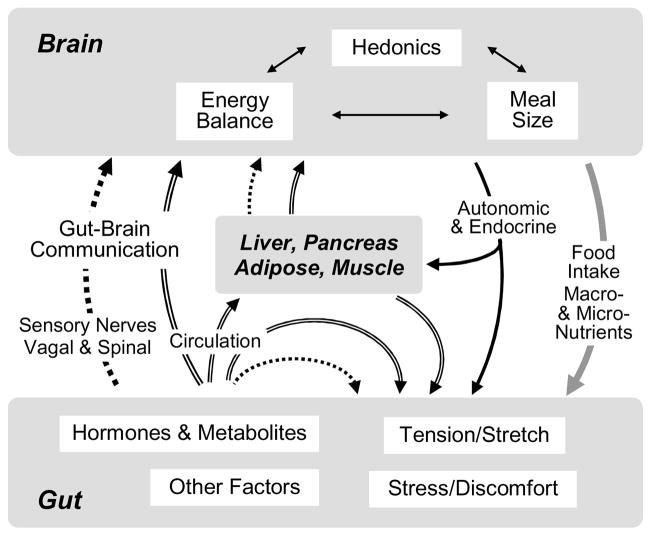
Fig. 1. Schematic diagram showing flow of information potentially involved in the physiological and behavioral consequences of gastric bypass surgery
Communication by circulating hormones, metabolites, and other factors is depicted by double lined arrows, communication by sensory nerves by dotted lined arrows, and autonomic and endocrine outflow by solid line arrows. Note that the arrangement allows learning to take place, as ingestion of different foods produces different consequences in the altered gut that are in turn sensed by the brain.
Fig. 2
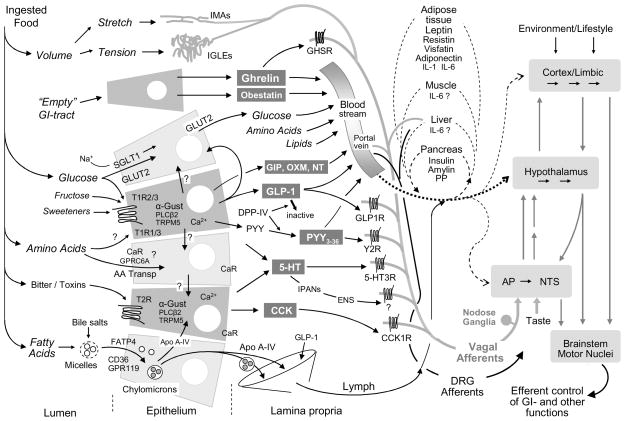
Fig. 2. The sensory limb of gut-brain communication
Simplified schematic diagram showing the major transduction sites and mechanisms for the detection of ingested food and its macronutrient components. Ordinary enterocytes are shown in light gray and enteroendocrine cells and their hormonal outputs in darker gray. Note that the molecular machinery given for a particular epithelial cell is not completely known and does not, therefore, define specific fixed configurations. In particular, it is not clear to what extent ordinary enterocytes and certain enteroendocrine cells express the different types of G protein-coupled receptors of the T1R and T2R families, the amino acid-sensing calcium receptor and GPCR6, and the fatty acid transporters FATP4, CD36, GPR119, and GPR120. After release of nutrients and hormones into the lamina propria, they are taken up by capillaries and sent to the brain and other organs through the general circulation and/or the lymphatic system. Circulating nutrients and hormones have access to the brain at all levels. Hormones and transmitters in the lamina propria can also interact with relevant receptors on mucosal endings of vagal afferent neurons and enteric neurons as well as dorsal root afferents. Vagal afferent information reaches the brain through the nucleus tractus solitarius and area postrema in the caudal brainstem and is then disseminated to hypothalamus and forebrain as indicated by gray arrows. Note that intestinal epithelial cells can also communicate with each other through paracrine or humoral mechanisms, and with other organs involved in energy balance regulation such as the pancreas, liver, adipose tissue, and muscle, through humoral mechanisms.
Fig. 3
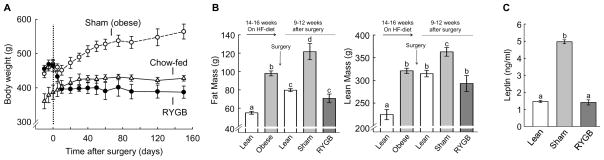
Fig. 3. RYGB induces significant loss of body weight and fat mass with relatively minor effects on lean mass
A: Body weight of high-fat exposed RYGB (black circles, n = 5) and sham-operated (open circles, n = 6), as well as chow-fed control rats (open triangles, n = 6). B: Body composition as assessed by whole body magnetic resonance relaxometry (NMR), showing fat and lean mass before and after 14 weeks exposure to high-fat diet (left two bars), and for RYGB rats (dark gray bars), sham-operated (obese) rats (light gray bars), and non-operated, age-matched, chow-fed lean rats (white bars). C: Fasting plasma leptin levels at 3 months after surgery. Bars that do not share a common letter are significantly different from each other (P < 0.05; based on ANOVA followed by Fisher’s LSD posthoc test).
Fig. 4
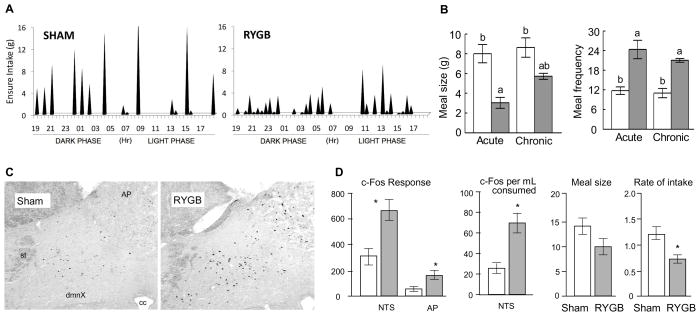
Fig. 4. RYGB-induced decrease of meal size and accompanying exaggerated meal-induced neural activation in the nucleus of the solitary tract
A: Typical liquid (Ensure) meal pattern, 2–3 weeks after RYGB or sham operation. B: Average meal size and meal frequency during the acute (weeks 2–3) and chronic (weeks 18–20) phases after RYGB (dark bars) or sham-surgery (white bars). Bars that do not share the same letters are significantly different from each other (p<0.05), based on two-way ANOVA). C: Examples of meal-induced c-Fos induction in the dorsal vagal complex of the caudal brainstem, 10 days after RYGB or sham-operation. D: Quantitative analysis of exaggerated c-Fos response in the NTS and area postrema. * p, 0.05 based on t-test.
Fig. 5
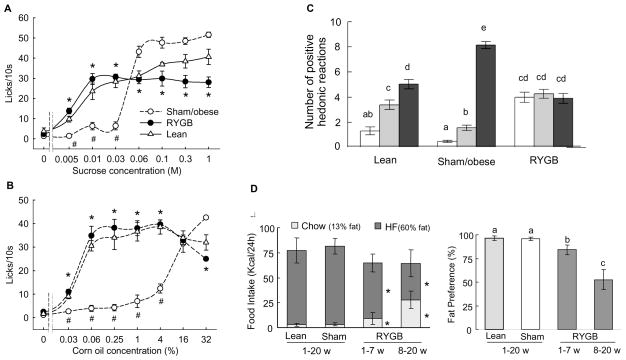
Fig. 5. Roux-en-Y gastric bypass surgery changes hedonic evaluation of food stimuli
A, B: Lickometer responding for different concentrations of sucrose (A) and corn oil (B). The number of licks/10s was measured in series of ascending concentrations of sucrose solutions and corn oil emulsions. Outbred Sprague-Dawley rats with either Roux-en-Y gastric bypass surgery (RYGB, filled circles; n = 9) or sham surgery (sham, open circles; n = 11), and non-operated, chow-fed, lean controls (lean, open triangles; n = 7). *p < 0.05, RYGB compared with sham/obese and, # p < 0.05, lean compared with sham/obese rats, based on ANOVA and Bonferroni adjusted multiple comparisons. C: Number of positive hedonic reactions (‘liking’) in response to tasting 3 different sucrose concentrations. Bars that do not share the same letter are significantly different from each other (p < 0.05, based on ANOVA and Bonferroni adjusted multiple comparisons). D: Gradual development of high-fat avoidance in RYGB rats. Total calorie intake from chow and high fat diet in two-choice paradigm, showing the gradual increase of chow intake from in RYGB rats is shown in left panel and the corresponding fat preference is shown in the right panel. * p< 0.05 compared with both lean and sham rats.
Fig. 6
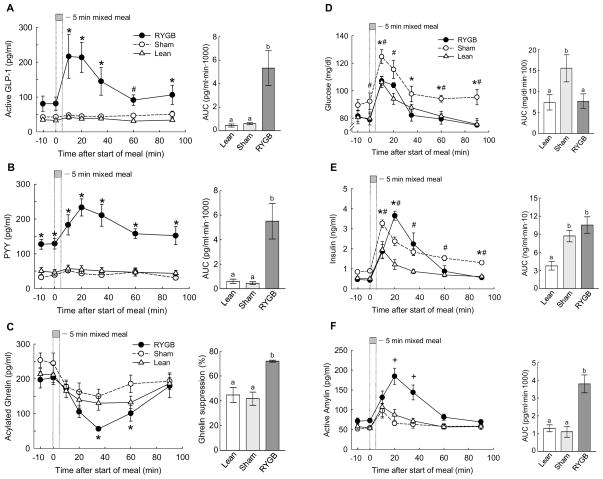
Fig. 6. Roux-en-Y gastric bypass surgery changes gut hormone secretion and glucose homeostasis
GLP-1, PYY, ghrelin, glucose, insulin, and amylin responses to a mixed meal in RYGB (black circles), sham-operated, obese rats (open circles), and chow-fed lean controls (open triangles). Overnight food-deprived rats consumed 5 ml (~5 kcal) of Ensure delivered at 1ml/min and jugular vein blood was sampled remotely at the times indicated. * p < 0.05 between sham and RYGB rats; # p < 0.05 between sham and lean rats; + p < 0.05 between RYGB and both other groups. Areas under the curve (AUC) are shown in the bar graphs at the right, with bars that do not share a common letter significantly (p < 0.05) different from each other.
Fig. 7
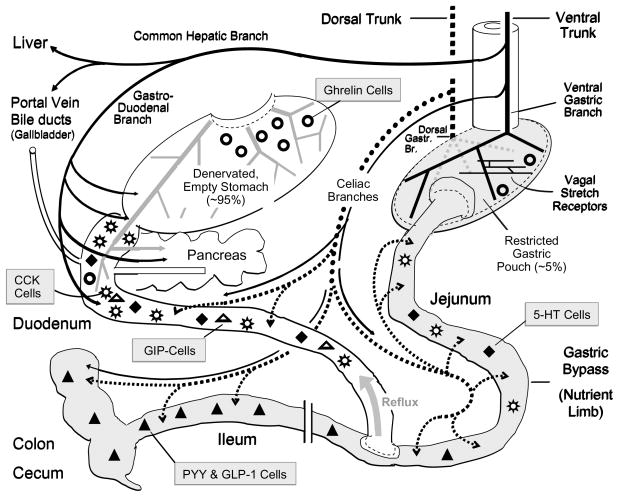
Fig. 7. Roux-en-Y gastric bypass surgery and vagal innervation of the gut and associated organs
The nutrient limb of the Roux-en-Y gastric bypass consisting of the small gastric pouch and the anastomosed jejunum is shown on the right (shaded). The bilio-pancreatic limb including the large gastric remnant with attached duodenum and proximal jejunum is shown on the left. Note that the stomach remnant is depicted at a much reduced size for clarity. The ventral (anterior) and dorsal (posterior) vagal trunks and their branches are shown as solid and dotted lines, respectively. The relative density and distribution of enteroendocrine cells secreting peptide hormones or transmitters are depicted by different symbols as indicated.

References

    1. Li C, Ford ES, McGuire LC, Mokdad AH. Increasing trends in waist circumference and abdominal obesity among US adults. Obesity (Silver Spring) 2007;15(1):216–24. - PubMed
    1. Koopmans HS. Internal signals cause large changes in food intake in one-way crossed intestines rats. Brain Res Bull. 1985;14(6):595–603. - PubMed
    1. Koopmans HS. An integrated organismic response to lower gut stimulation. Scand J Gastroenterol Suppl. 1983;82:143–53. - PubMed
    1. Koopmans HS, Sclafani A. Control of body weight by lower gut signals. Int J Obes. 1981;5(5):491–5. - PubMed
    1. Koopmans HS, Sclafani A, Fichtner C, Aravich PF. The effects of ileal transposition on food intake and body weight loss in VMH-obese rats. Am J Clin Nutr. 1982;35(2):284–93. - PubMed

Publication types

Substances