


Mechanism of neutrophil recruitment to the lung after pulmonary contusion
- PMID: 21330942
- PMCID: PMC3108153
- DOI: 10.1097/SHK.0b013e3182144a50
Mechanism of neutrophil recruitment to the lung after pulmonary contusion
Abstract
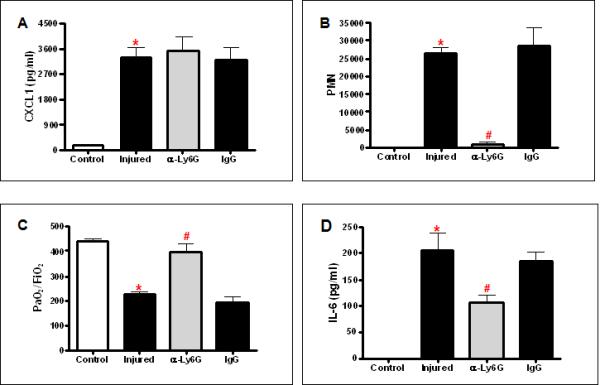
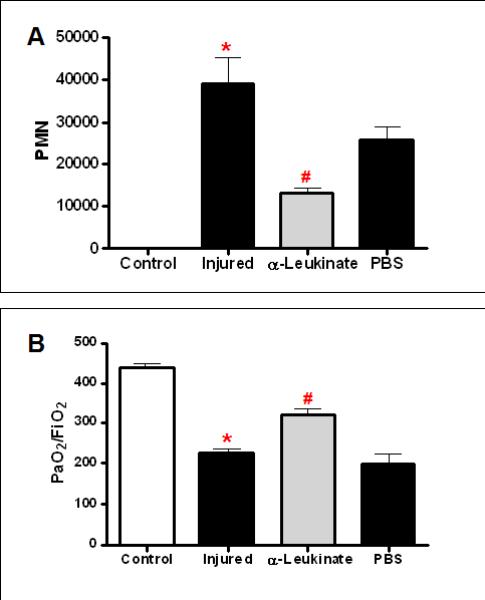
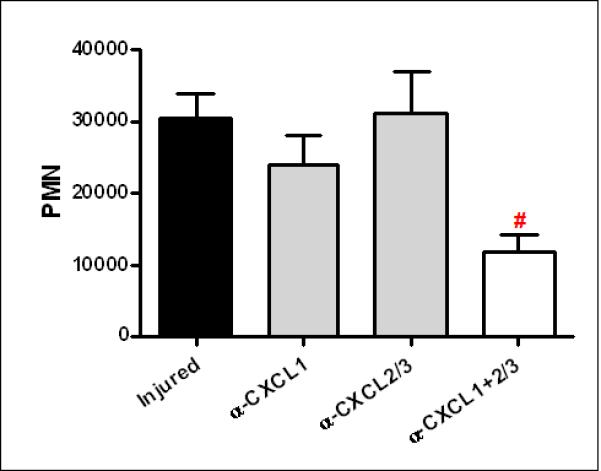
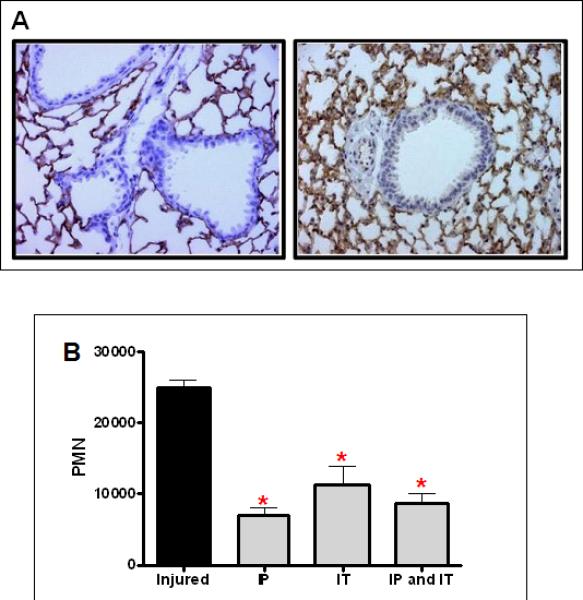
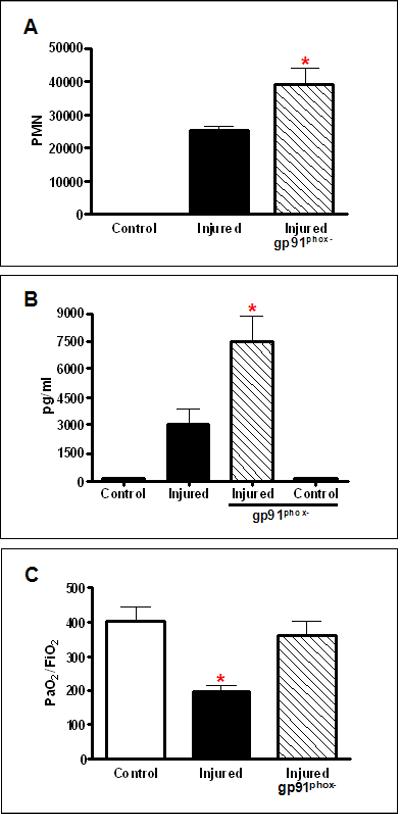
Blunt chest trauma resulting in pulmonary contusion is a common but poorly understood injury. We previously demonstrated that lung contusion activates localized and systemic innate immune mechanisms and recruits neutrophils to the injured lung. We hypothesized that the innate immune and inflammatory activation of neutrophils may figure prominently in the response to lung injury. To investigate this, we used a model of pulmonary contusion in the mouse that is similar to that observed clinically in humans and evaluated postinjury lung function and pulmonary neutrophil recruitment. Comparisons were made between injured mice with and without neutrophil depletion. We further examined the role of chemokines and adhesion receptors in neutrophil recruitment to the injured lung. We found that lung injury and resultant physiological dysfunction after contusion were dependent on the presence of neutrophils in the alveolar space. We show that CXCL1, CXCL2/3, and CXCR2 are involved in neutrophil recruitment to the lung after injury and that intercellular adhesion molecule 1 is locally expressed and actively participates in this process. Injured gp91-deficient mice showed improved lung function, indicating that oxidant production by neutrophil NADPH oxidase mediates lung dysfunction after contusion. These data suggest that both neutrophil presence and function are required for lung injury after lung contusion.
Figures
References
-
- Ciesla DJ, Moore EE, Johnson JL, Burch JM, Cothren CC, Sauaia A. A 12-year prospective study of postinjury multiple organ failure: has anything changed? Arch Surg. 2005;140:432–438. - PubMed
-
- Gebhard F, Kelbel MW, Strecker W, Kinzl L, Bruckner UB. Chest trauma and its impact on the release of vasoactive mediators. Shock. 1997;7:313–317. - PubMed
-
- Keel M, Ecknauer E, Stocker R, et al. Different pattern of local and systemic release of proinflammatory and anti-inflammatory mediators in severely injured patients with chest trauma. J Trauma. 1996;40:907–912. - PubMed
-
- Lomas-Neira JL, Chung CS, Grutkoski PS, Miller EJ, Ayala A. CXCR2 inhibition suppresses hemorrhage-induced priming for acute lung injury in mice. J Leukoc Biol. 2004;76:58–64. - PubMed
Publication types
MeSH terms
Substances
Grants and funding
LinkOut - more resources
Full Text Sources
