


The potential benefit of radiotherapy with protons in head and neck cancer with respect to normal tissue sparing: a systematic review of literature
- PMID: 21349950
- PMCID: PMC3228110
- DOI: 10.1634/theoncologist.2010-0171
The potential benefit of radiotherapy with protons in head and neck cancer with respect to normal tissue sparing: a systematic review of literature
Abstract
Purpose: Clinical studies concerning head and neck cancer patients treated with protons reporting on radiation-induced side effects are scarce. Therefore, we reviewed the literature regarding the potential benefits of protons compared with the currently used photons in terms of lower doses to normal tissue and the potential for fewer subsequent radiation-induced side effects, with the main focus on in silico planning comparative (ISPC) studies.
Materials and methods: A literature search was performed by two independent researchers on ISPC studies that included proton-based and photon-based irradiation techniques.
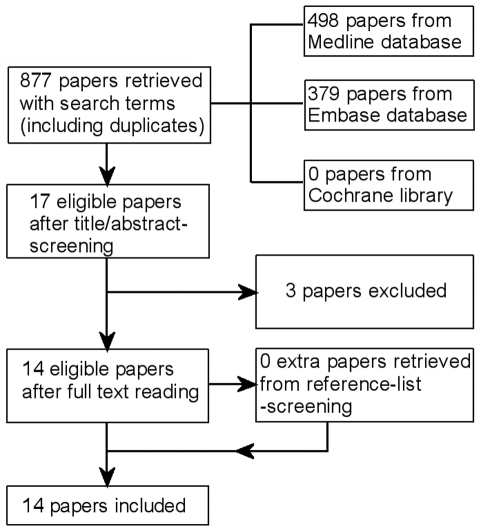
Results: Initially, 877 papers were retrieved and 14 relevant and eligible ISPC studies were identified and included in this review. Four studies included paranasal sinus cancer cases, three included nasopharyngeal cancer cases, and seven included oropharyngeal, hypopharyngeal, and/or laryngeal cancer cases. Seven studies compared the most sophisticated photon and proton techniques: intensity-modulated photon therapy versus intensity-modulated proton therapy (IMPT). Four studies compared different proton techniques. All studies showed that protons had a lower normal tissue dose, while keeping similar or better target coverage. Two studies found that these lower doses theoretically translated into a significantly lower incidence of salivary dysfunction.
Conclusion: The results of ISPC studies indicate that protons have the potential for a significantly lower normal tissue dose, while keeping similar or better target coverage. Scanned IMPT probably offers the most advantage and will allow for a substantially lower probability of radiation-induced side effects. The results of these ISPC studies should be confirmed in properly designed clinical trials.
Conflict of interest statement
The content of this article has been reviewed by independent peer reviewers to ensure that it is balanced, objective, and free from commercial bias. No financial relationships relevant to the content of this article have been disclosed by the authors or independent peer reviewers.
Figures
References
-
- Vergeer MR, Doornaert PA, Rietveld DH, et al. Intensity-modulated radiotherapy reduces radiation-induced morbidity and improves health-related quality of life: Results of a nonrandomized prospective study using a standardized follow-up program. Int J Radiat Oncol Biol Phys. 2009;74:1–8. - PubMed
-
- Schulz-Ertner D. The clinical experience with particle therapy in adults. Cancer J. 2009;15:306–311. - PubMed
-
- Brada M, Pijls-Johannesma M, De Ruysscher D. Current clinical evidence for proton therapy. Cancer J. 2009;15:319–324. - PubMed
-
- Laramore GE. Role of particle radiotherapy in the management of head and neck cancer. Curr Opin Oncol. 2009;21:224–231. - PubMed
Publication types
MeSH terms
Substances
LinkOut - more resources
Full Text Sources
Other Literature Sources
Medical
