


The importance of touch in development
- PMID: 21358895
- PMCID: PMC2865952
- DOI: 10.1093/pch/15.3.153
The importance of touch in development
Abstract
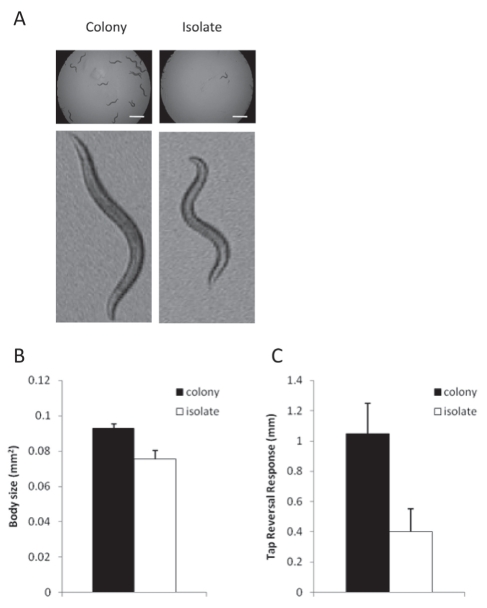
Developmental delay is common in children deprived of normal sensory stimulation - for example, in premature neonates and some institutionalized children. Touch has emerged as an important modality for the facilitation of growth and development; positive effects of supplemental mechanosensory stimulation have been demonstrated in a wide range of organisms, from worm larvae to rat pups to human infants. Animal models are being used to elucidate the cellular and molecular mechanisms underlying these effects. In rats, the amount of maternal licking received as a pup has a profound impact on the behaviour and physiology of the adult; in the microscopic roundworm Caenorhabditis elegans, physical interactions with other worms promote growth and increase adult responsiveness to mechanosensory stimuli. By understanding the underlying mechanisms, as well as the timing and degree of stimulation required to fully reverse the effects of early childhood deprivation, strategies can be developed to best help those in need.
Le retard de développement est courant chez les enfants privés de stimulation sensorielle normale, par exemple, chez les nouveau-nés prématurés et certains enfants institutionnalisés. Le toucher a émergé comme une modalité importante pour favoriser la croissance et le développement. Les effets positifs d’une stimulation mécanosensorielle supplémentaire sont démontrés chez toute une série d’organismes, des larves de vers aux nourrissons humains en passant par les ratons. On utilise des modèles animaux pour élucider les mécanismes cellulaires et moléculaires à l’origine de ces effets. Chez les rats, la quantité de léchage que reçoit le raton de sa mère a d’importantes répercussions sur son comportement et sa physiologie à l’âge adulte. Chez les nématodes Caenorhabditis elegans microscopiques, les interactions physiques avec d’autres vers favorisent la croissance et augmentent la réceptivité de l’adulte aux stimuli mécanosensoriels. Si on comprend les mécanismes sous-jacents, le moment et le degré de stimulation nécessaires pour supprimer entièrement les effets d’une privation pendant la première enfance, on pourra élaborer des stratégies pour aider les enfants dans le besoin.
Keywords: Caenorhabditis elegans; Kangaroo mother care; Maternal patterns of care; Preterm birth; Rats; Sense of touch.
Figures
References
-
- Frank DA, Klass PE, Earls F, Eisenberg L. Infants and young children in orphanages: One view from pediatrics and child psychiatry. Pediatrics. 1996;97:569–78. - PubMed
-
- Hopper HE, Pinneau SR. Frequency of regurgitation in infancy as related to the amount of stimulation received from the mother. Child Dev. 1957;28:229–35. - PubMed
-
- Casler L. The effects of extra tactile stimulation on a group of institutionalized infants. Genet Psychol Monogr. 1965;71:137–75. - PubMed
-
- Field T, Schanberg SM, Scafidi F, et al. Effects of tactile/kinesthetic stimulation on preterm neonates. Pediatrics. 1986;77:654–8. - PubMed
-
- Scafidi F, Field T, Schanberg SM, et al. Effects of tactile/kinesthetic stimulation and sleep/wake behavior of preterm neonates. Infant Behav Dev. 1986;9:91–105.
LinkOut - more resources
Full Text Sources
Other Literature Sources