


Melanoma and vitamin D
- PMID: 21371954
- PMCID: PMC5528277
- DOI: 10.1016/j.molonc.2011.01.007
Melanoma and vitamin D
Abstract
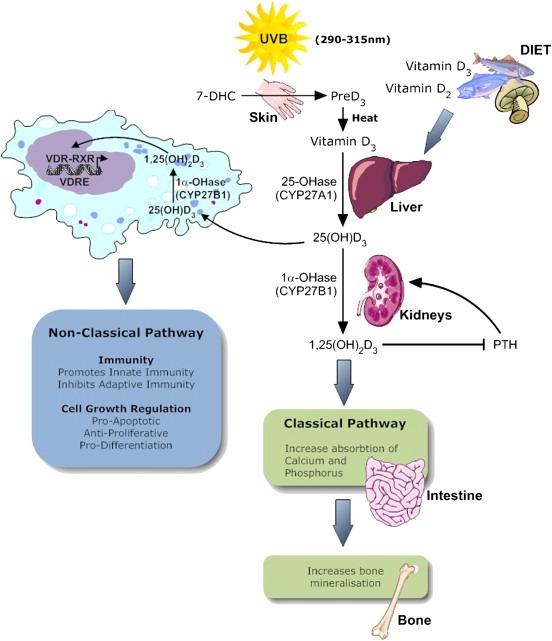
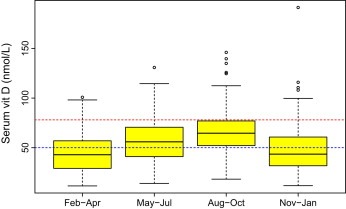
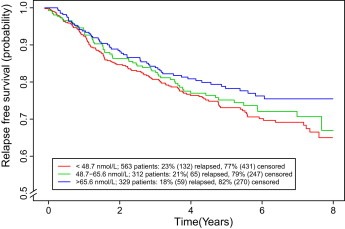
Vitamin D is a fat-soluble steroid hormone, which is essential to health and for which epidemiological studies suggest a role in autoimmune disease, infections, cardiovascular disease and cancer. It is ingested in foods such as oily fish and supplements, so that average levels vary between countries, but most individuals worldwide make most of their vitamin D as a result of the effects of sun exposure on the skin. Many studies in different populations around the world have in recent years shown that sub-optimal levels of vitamin D (<70 nmol/L) are common. A series of epidemiological studies have suggested that low vitamin D levels increase the risk of cancers, particularly of the breast and gastrointestinal tracts, so that there has been much interest in understanding the effects of vitamin D on cancer cells. Vitamin D binds to the vitamin D receptor (VDR) resulting in transcription of a number of genes playing a role in inhibition of MAPK signalling, induction of apoptosis and cell-cycle inhibition, and therefore vitamin D has anti-proliferative and pro-apoptotic effects in cells of many lineages. It also has suppressive effects on adaptive immunity and is reported to promote innate immunity. Here we review data on vitamin D and melanoma. There are in vitro data, which suggest that vitamin D has the same anti-proliferative effects on melanoma cells as have been demonstrated in other cells. We have reported data to suggest that vitamin D levels at diagnosis have a role in determining outcome for melanoma patients. There is a curious relationship between melanoma risk and sun exposure where sunburn is causal but occupational sun exposure is not (at least in temperate climes). Seeking to understand this, we discuss data, which suggest (but by no means prove) that vitamin D might also have a role in susceptibility to melanoma. In conclusion, much remains unknown about vitamin D in general and certainly about vitamin D and melanoma. However, the effects of avoidance of suboptimal vitamin D levels on cancer cell proliferation are likely to be beneficial to the melanoma patient. The possible results of high vitamin D levels on the immune system remain unclear however and a source of some concern, but the data support the view that serum levels in the range 70-100 nmol/L might be a reasonable target for melanoma patients as much as for other members of the population.
Copyright © 2011 Federation of European Biochemical Societies. Published by Elsevier B.V. All rights reserved.
Figures
References
-
- Albertson, D.G. , Ylstra, B. , Segraves, R. , Collins, C. , Dairkee, S.H. , Kowbel, D. , 2000. Quantitative mapping of amplicon structure by array CGH identifies CYP24 as a candidate oncogene. Nat. Genet.. 25, 144–146. - PubMed
-
- Apperly, F. , 1941. The relation of solar radiation to cancer mortality in North America. Cancer Res.. 1, 191–195. - PubMed
Publication types
MeSH terms
Substances
Grants and funding
LinkOut - more resources
Full Text Sources
Other Literature Sources
Medical
